
Contact us
Contact Home and Garden Design
Questions about a Home Design Concepts, Custom Vision Ideas, Landscape and Garden Planning, Have some Suggestions for Additions to our Website. Would you like to place Advertising on this Website ? Buy this Website, or have your own Website like this built by our Creative Web Development
Contact details
Postal address
Creative Web Design and Development
Co-Lab, 450 Lexington Ave
New York, NY 10017
Response Times
We answer most Website Design Enquiries within one to two business days.
Custom Design Requests with Measurements and Photos attached are usually turned around within a week.
For Advertising and Media enquiries, Please put “Advertising” in your Message topic. To Buy this Website or have your Website Built type Buy Domain and Website www.homedesign-photos.com
Full feature article · Waterwise Gardens
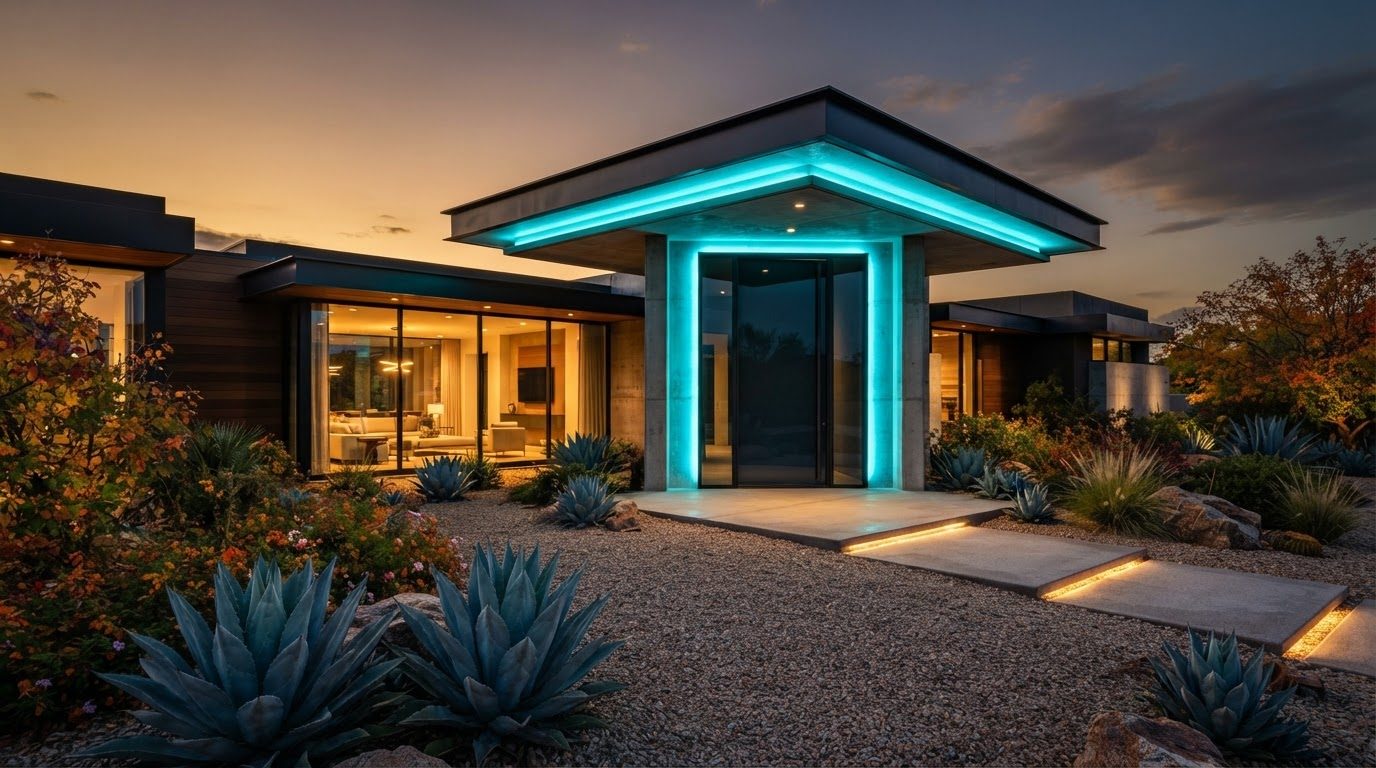
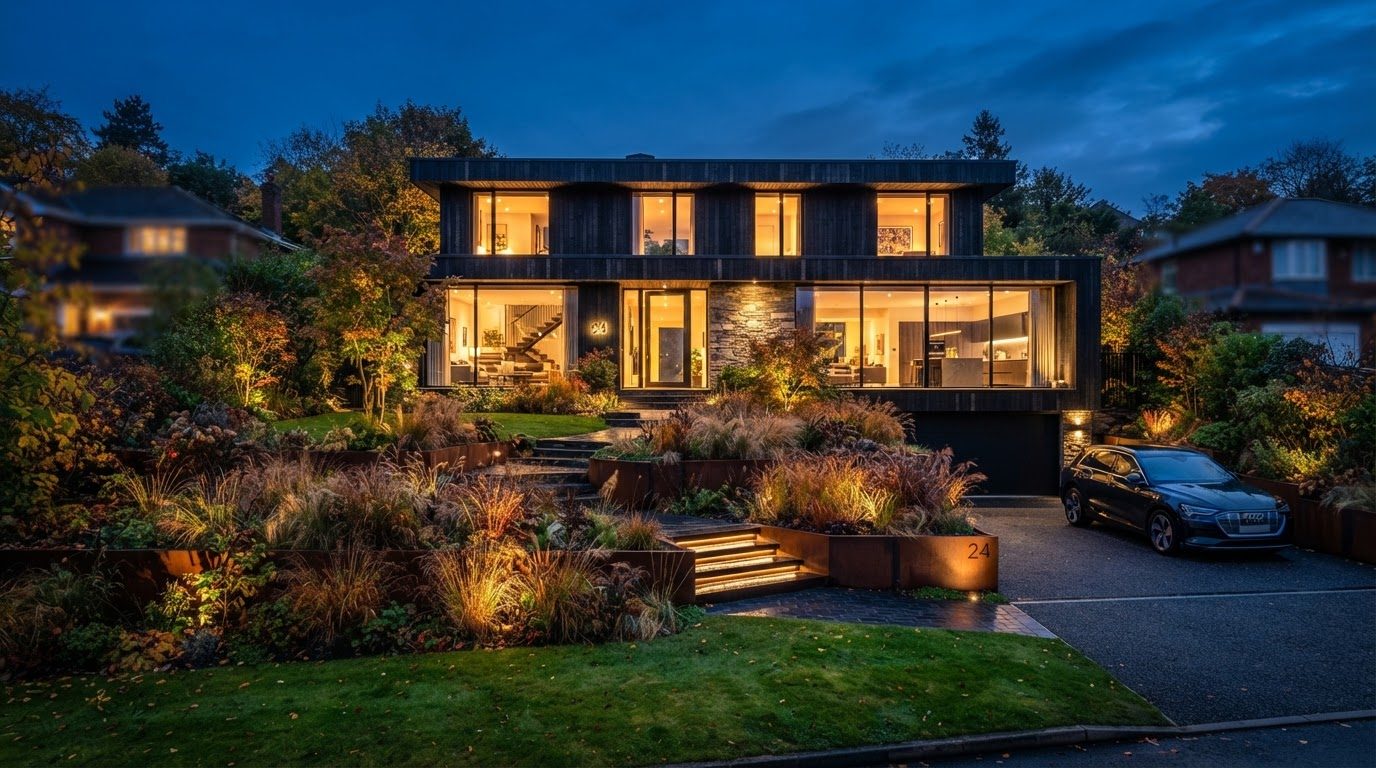
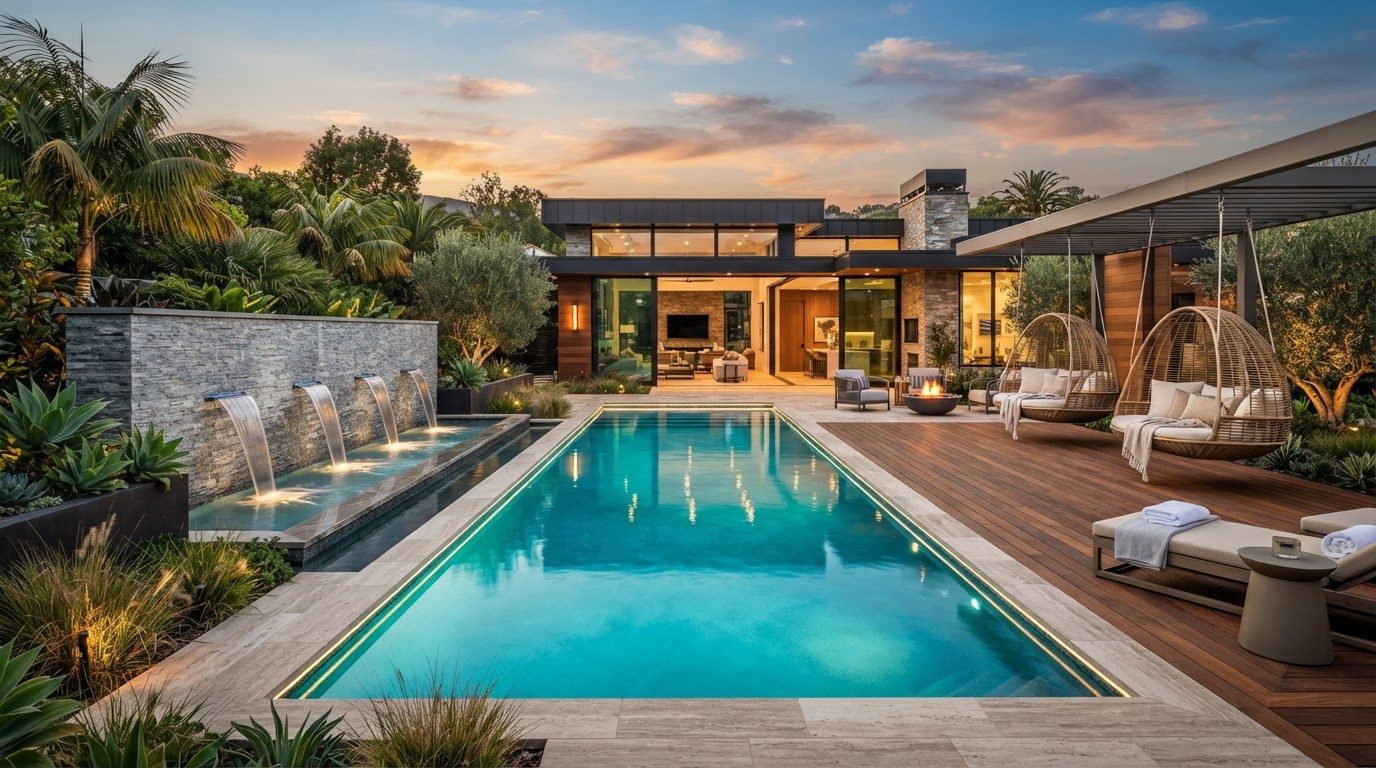
Drought Tolerant Garden Design Ideas and Waterwise Garden Photos
Gardens that look lush on a fraction of the water — soil preparation, gravel mulch, planting in blocks and irrigation that only runs when needed.
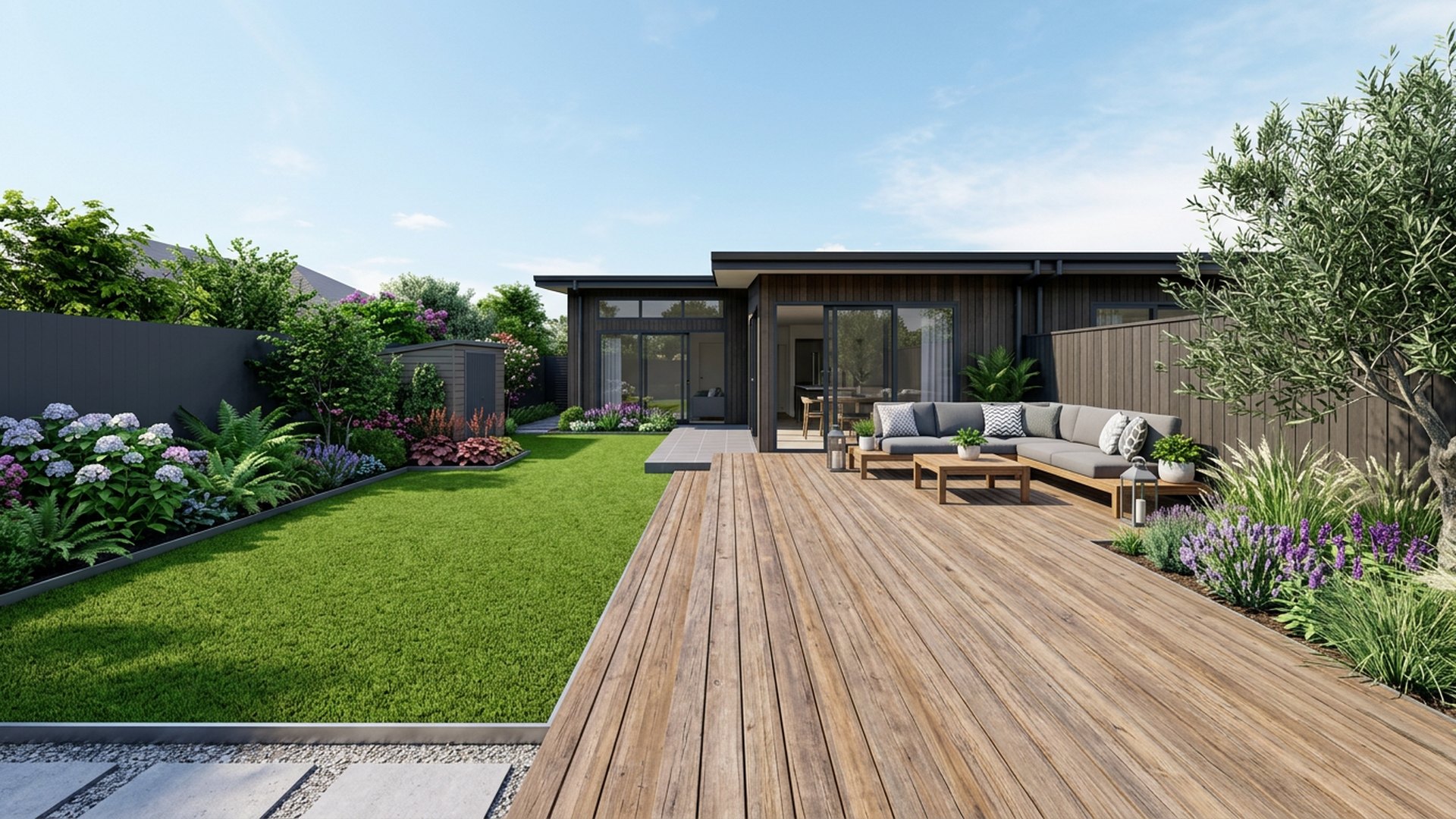
A waterwise garden is not a gravel yard with three succulents in it. The best examples are dense, layered and green, and they use a fraction of the water of a conventional garden because of decisions made below ground. Soil improved with compost holds moisture, deep mulch stops evaporation, plants grouped by water need stop the thirsty ones dictating the schedule, and irrigation delivers water slowly at the root zone rather than spraying it into the air.
Soil comes first. Break up compaction, add organic matter generously, and create planting beds deep enough for roots to go looking for moisture instead of sitting in the top few centimetres. Then mulch — 75 millimetres of coarse bark, gravel or crushed stone depending on the look you want. Gravel mulch suits Mediterranean and native schemes, keeps foliage dry, reflects heat away from the soil surface and never needs topping up the way bark does.
Plant in blocks and repeat. Three to five species massed together read as a designed garden and shade the soil between them, which is itself a water saving. Reliable performers include ornamental grasses, westringia, agave and other architectural succulents, lavender and rosemary, salvias, dianella, kangaroo paw and olive or crepe myrtle for canopy. One well placed tree does more for water use than any other single plant, because everything beneath it loses less to evaporation.
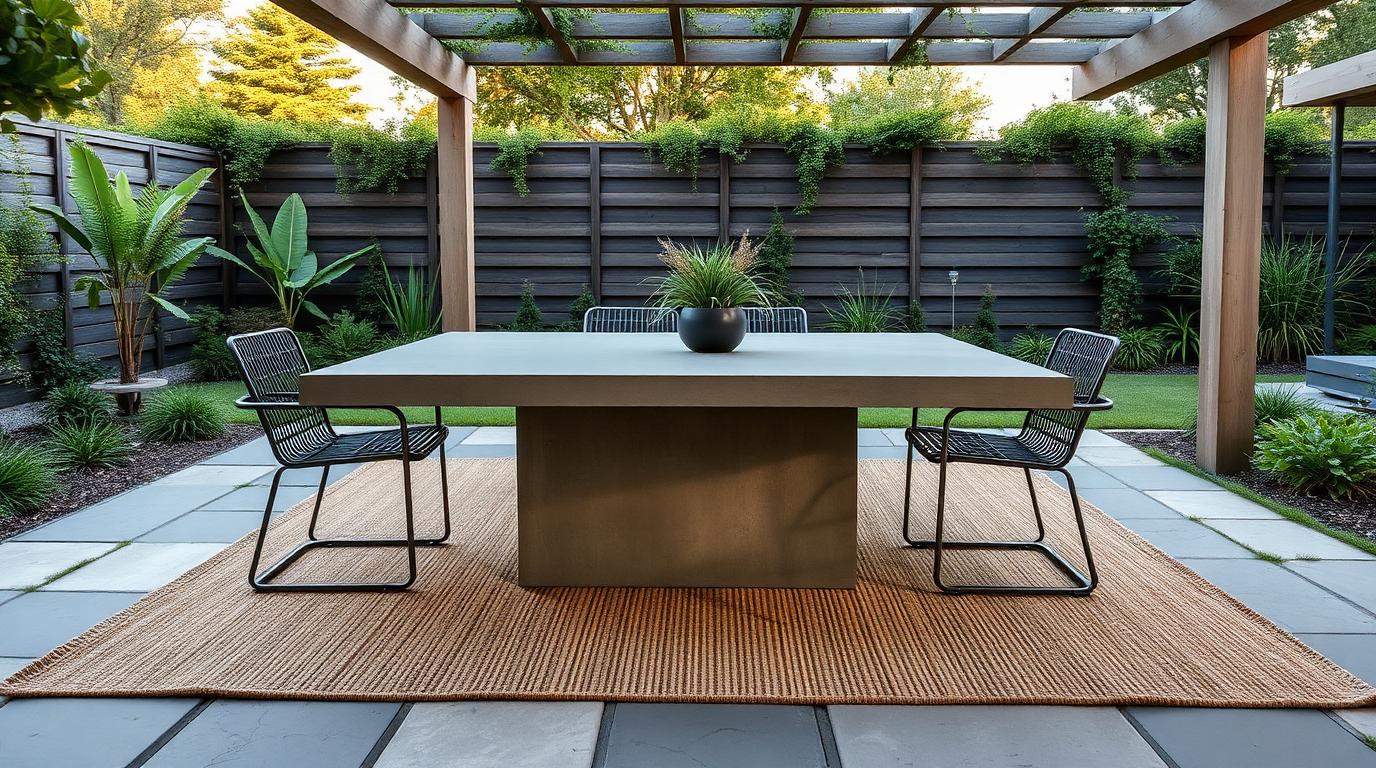
Then water intelligently. Inline drip under the mulch rather than sprays, separate valves for each water zone, a weather or soil moisture based controller so the system skips rain, and deep infrequent cycles that train roots downward. Add a tank plumbed to the irrigation if the roof area allows. Within two seasons the garden establishes and the water bill drops sharply, while the planting looks better than the lawn it replaced ever did in February.