Twenty designs chosen for the numbers — container shells, owner builds, reclaimed materials, kit homes, backyard studios, rent-to-own villages and staged builds.
This part of the series looks at tiny homes purely as a financial instrument. The question is not whether a small house can be beautiful — the photographs settle that — but whether it can genuinely be bought and owned by somebody who cannot buy a conventional house. The honest answer is yes, provided the design decisions are made with the budget rather than the mood board.
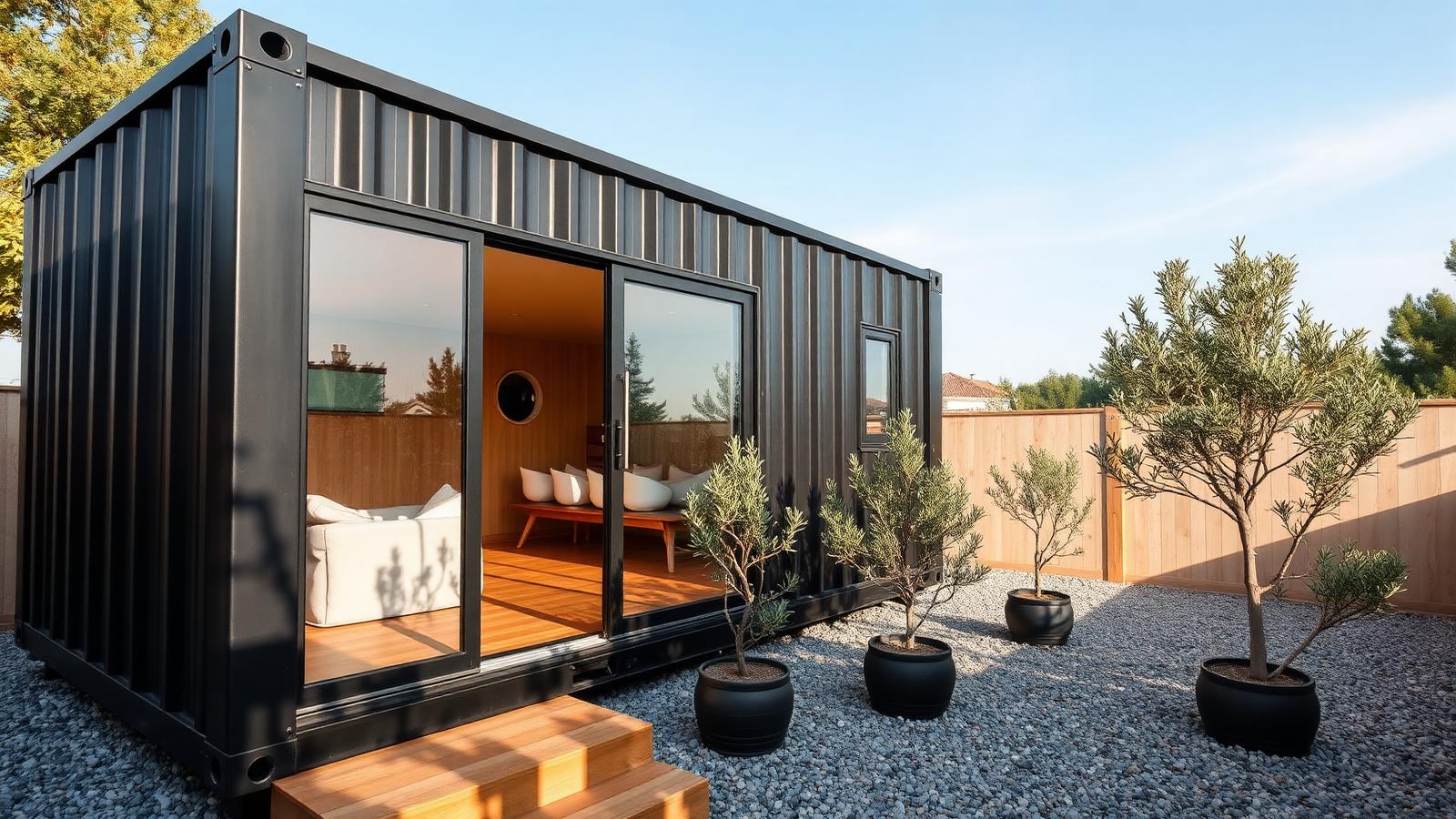
Shipping container shells remain the cheapest weatherproof structure available in most markets. A single high cube container gives roughly fifteen square metres of dry, structurally sound, transportable space for the price of a small car. The costs that surprise people are the ones added afterwards: insulation, framing out, cutting and reinforcing openings, and a roof over the top to shed sun and rain. Budget for those from the beginning and the container remains excellent value.
Owner building is the other large lever. Labour is typically the largest line in any build, and a determined owner can take on demolition, framing assistance, insulation, cladding, decking, painting, tiling and landscaping while leaving structural, electrical and plumbing work to licensed trades. Reclaimed and second hand materials — hardwood joinery, roof sheeting, bricks, doors, tanks and fixtures — reduce the bill further, at the price of time spent sourcing.
Kit and panel homes suit buyers who want the saving without the risk. A delivered kit fixes the price of the shell, arrives with engineering already certified, and goes up quickly enough that finance costs stay small. What the kit does not include is the part that catches every first time builder: site works, connections, permits and the finishing trades. Those items routinely equal the kit price, and a realistic budget doubles the brochure figure before starting.
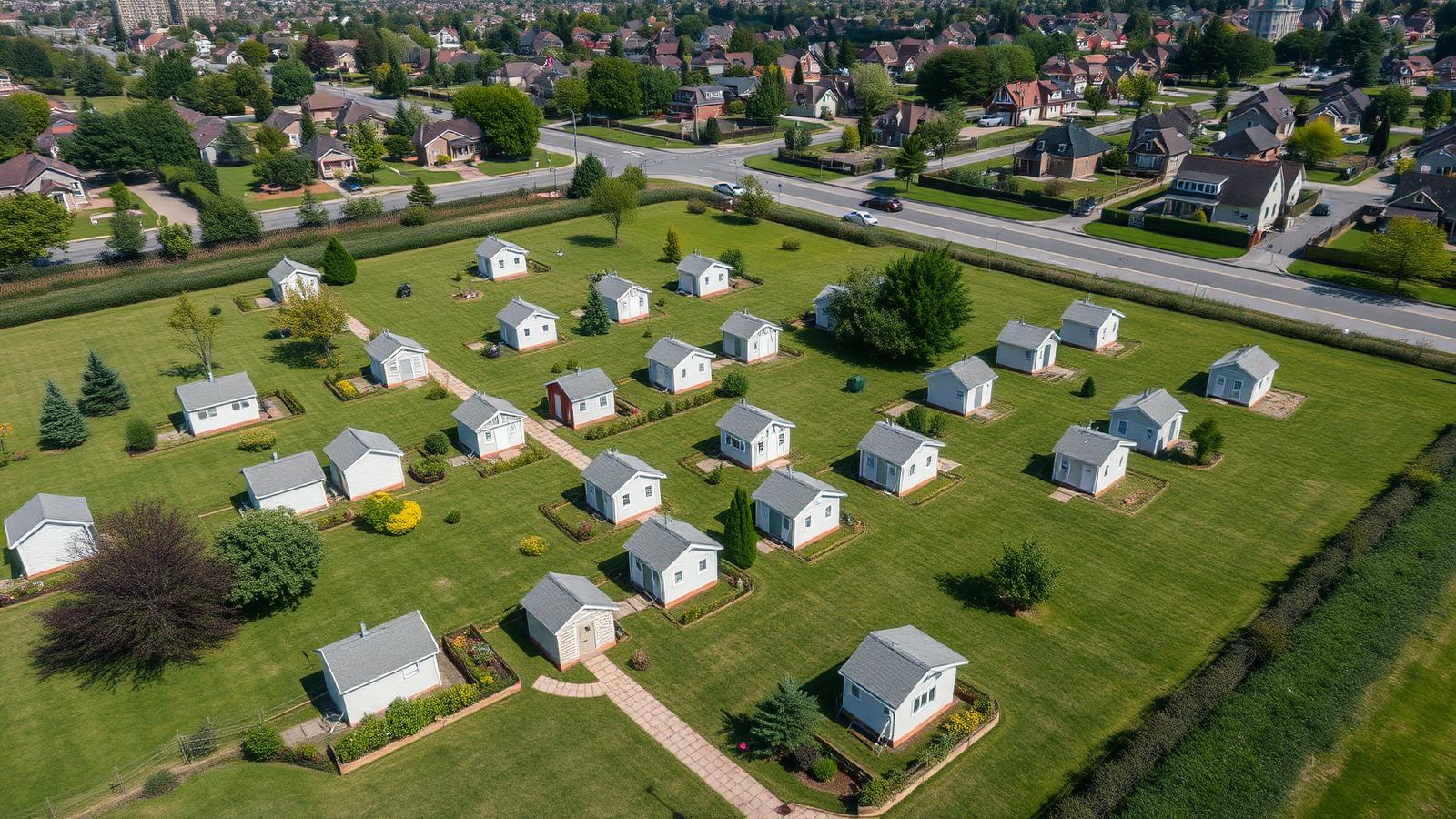
Tenure is the difference between a cheap house and an asset. A backyard second dwelling on family land, a rent-to-own place in a tiny home village, a long lease on farm land, a strata titled micro lot — each carries a different level of security and resale, and each should be understood in writing before a single dollar goes into building. A beautiful tiny home on land you cannot keep is an expensive caravan.
The staged build is the strategy that ties everything together. Complete the pad, shell, roof, one bathroom, one services wall and a sleeping area, then move in and finish the rest as money allows: the deck, the second room, the kitchen upgrade, the water tanks, the garden. Living in the building while completing it is uncomfortable for a year and it is also how a very large number of these homes actually came to exist.