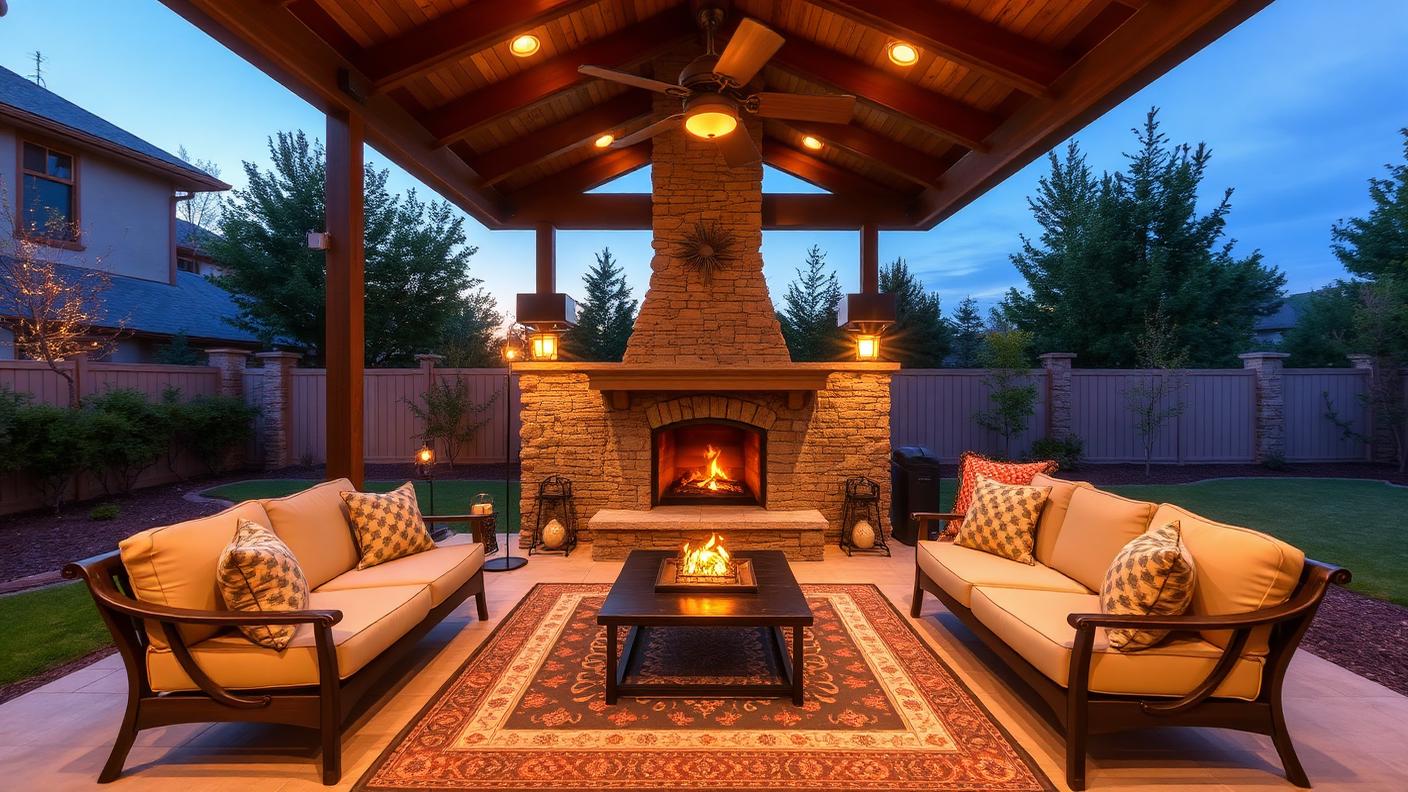
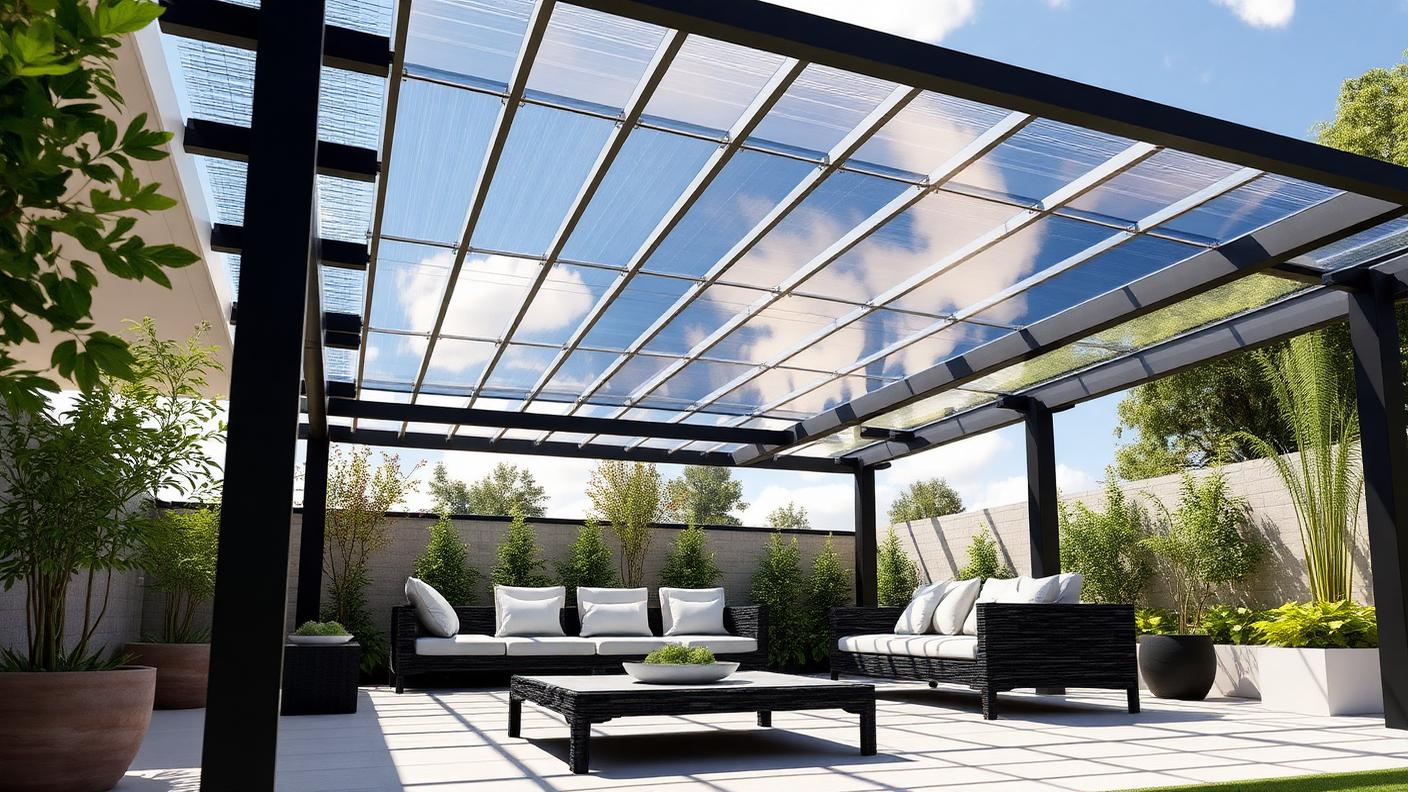
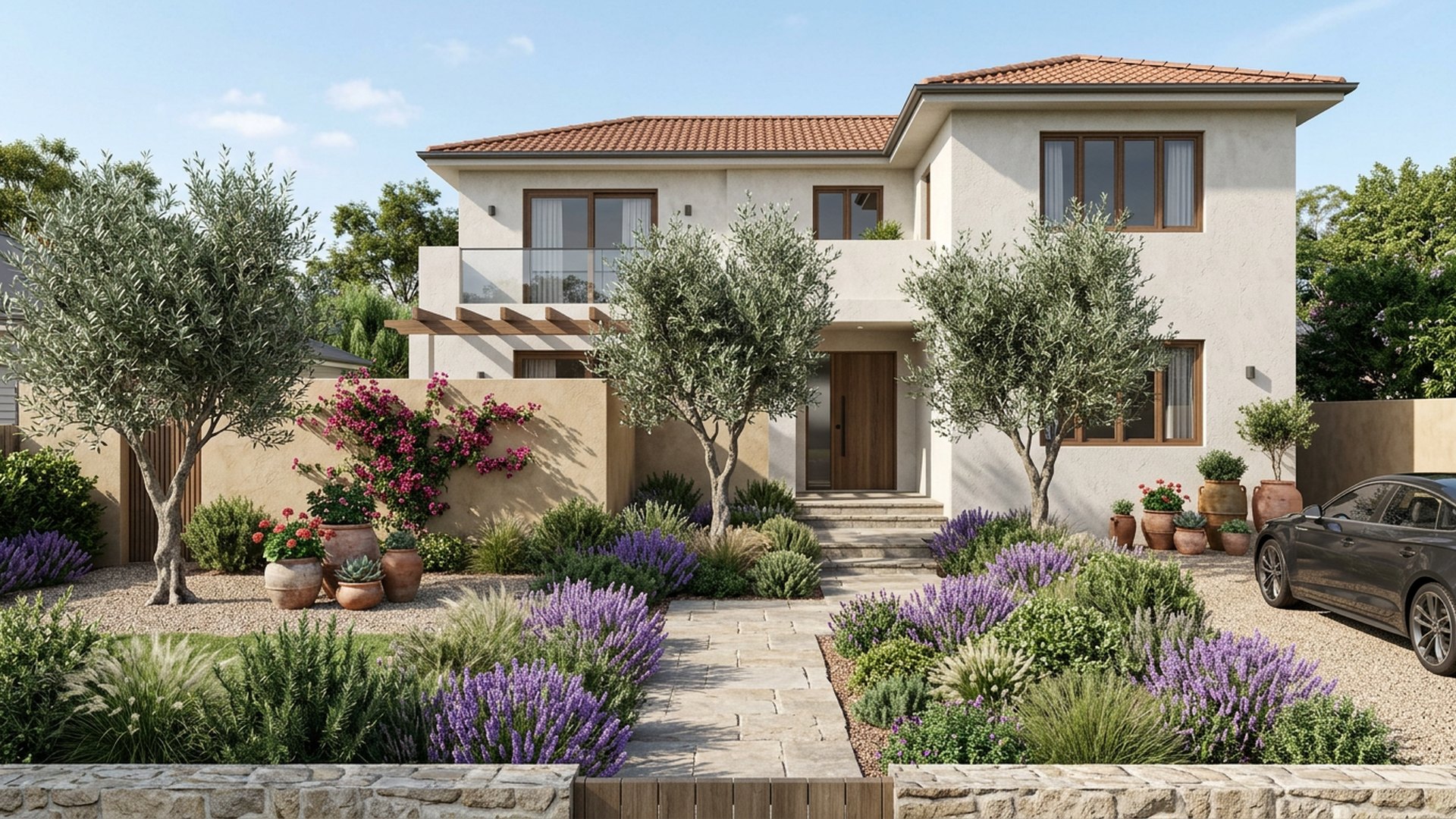
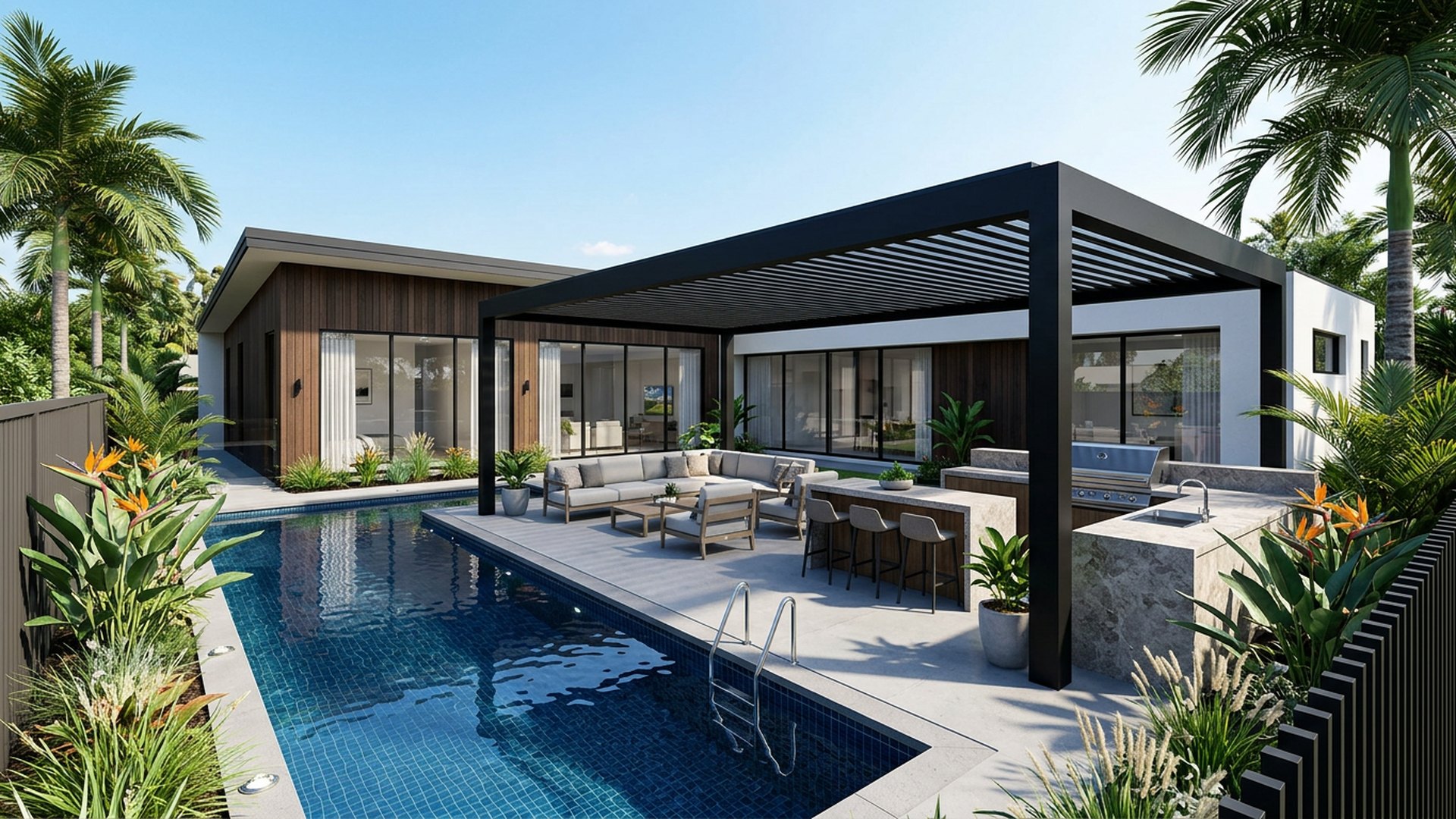
Twenty designs read as evidence rather than inspiration — second dwellings, skinny infill, common-land villages, stacked micro buildings and laneway houses.
Housing costs in most desirable cities have risen faster than incomes for a generation, and small homes are the most frequently proposed answer. This part of the series treats twenty designs as evidence and asks a harder question: which of them actually adds a home to a market that needs one, and which simply moves a small building onto land that was already owned?
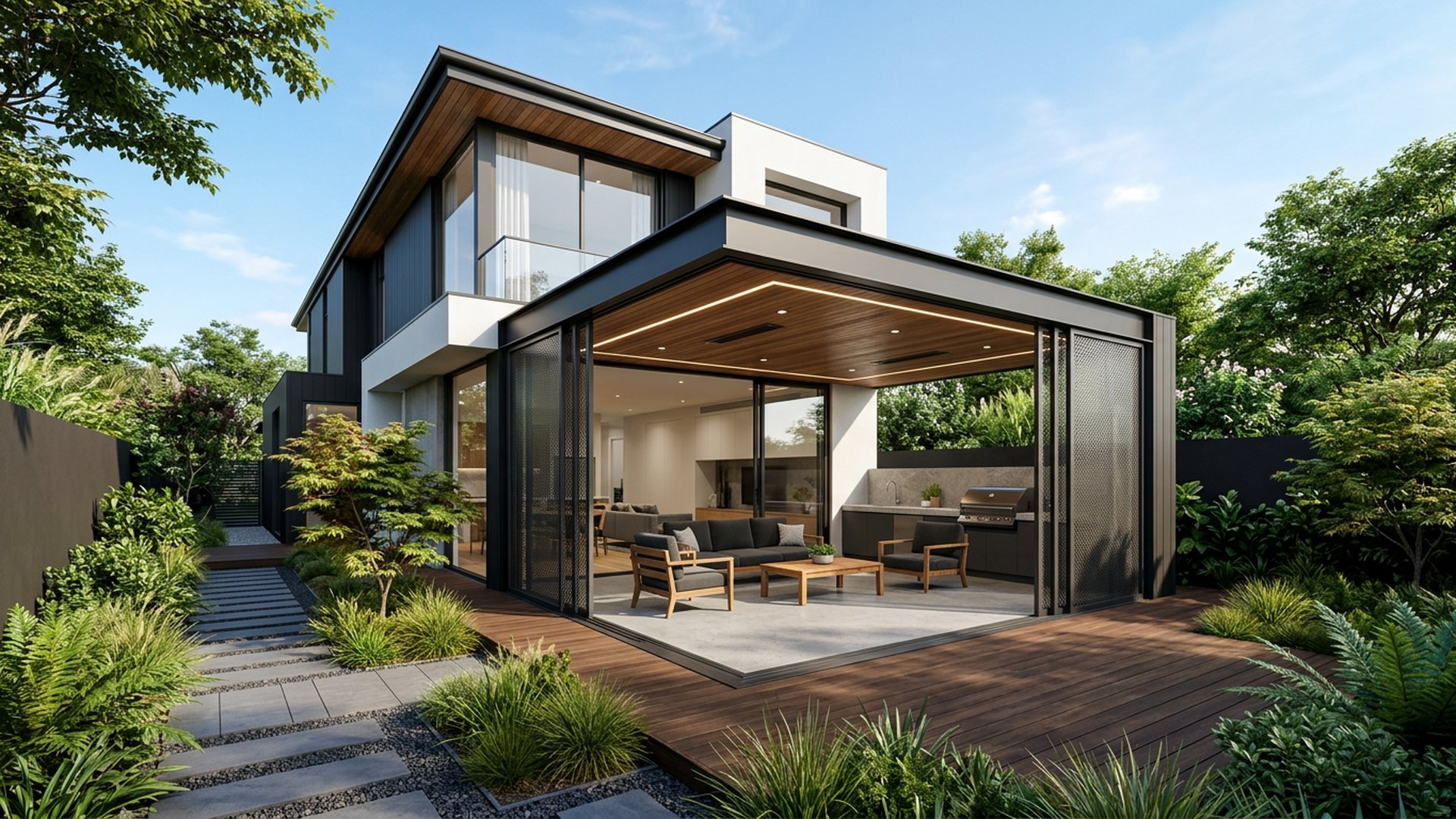
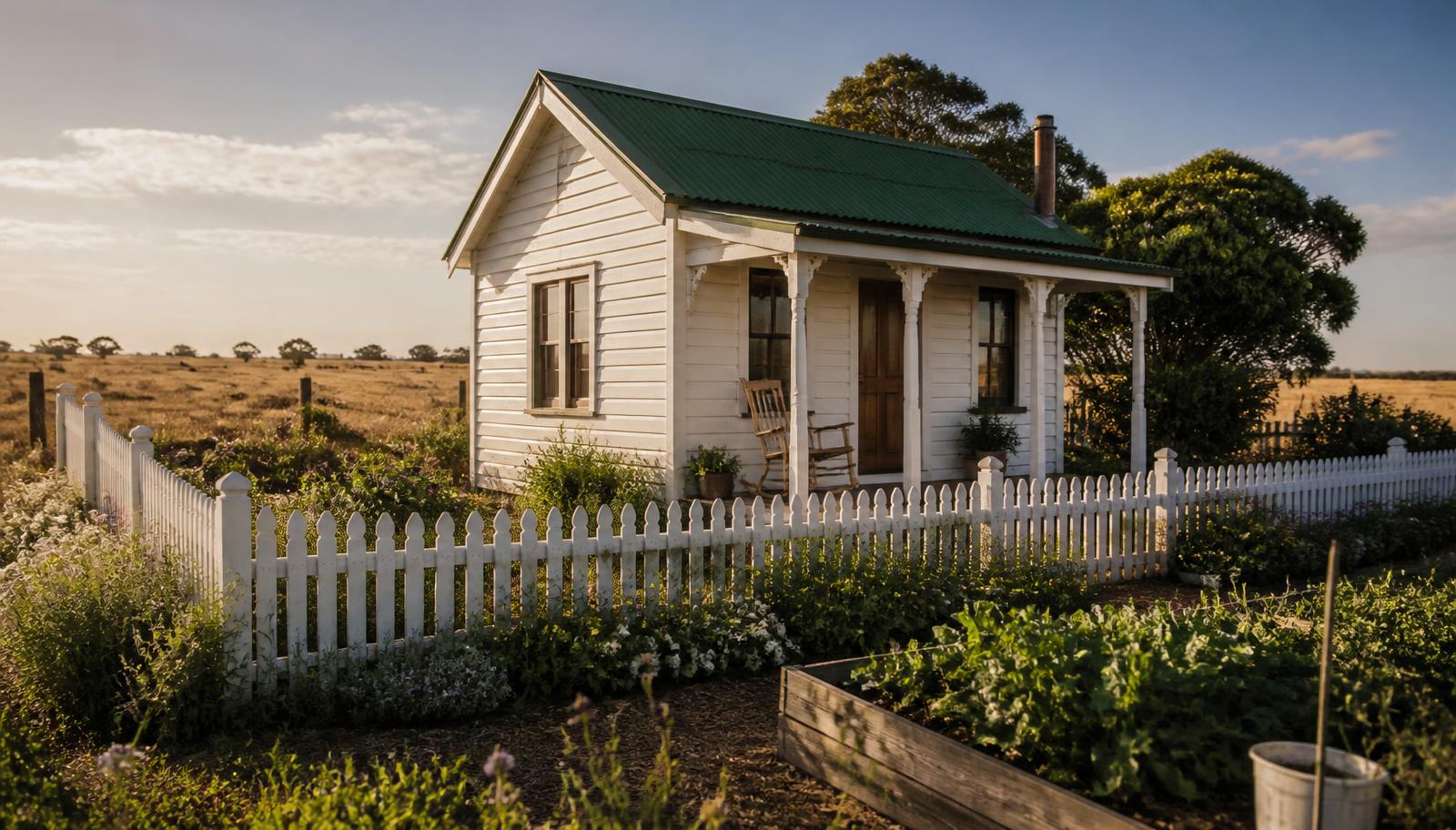
Backyard second dwellings are the clearest win. They use land that is already serviced, already close to transport and schools, and already inside the city. A well designed granny flat or laneway house adds a genuine dwelling without a metre of new road, and it does so at a scale that individual owners can finance. Where planning rules permit them generously, the supply arrives quickly.
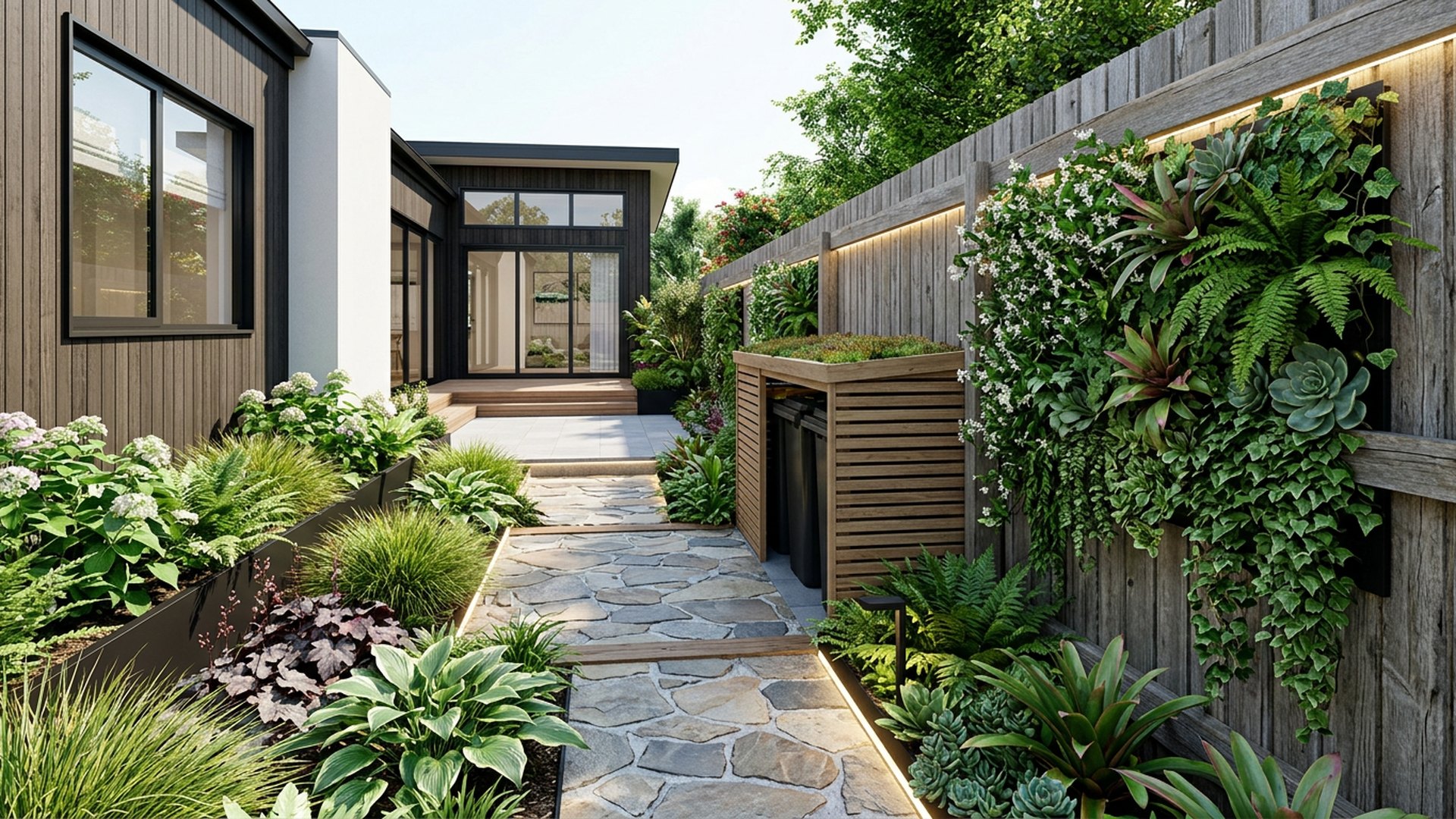
Skinny infill and stacked micro buildings do the same job on leftover urban land — corner offcuts, deep rear yards, former service lanes. These sites are difficult, which is why they remain vacant, and they reward designs that go narrow and tall, borrow light from above, and place the private open space as a courtyard rather than a setback.
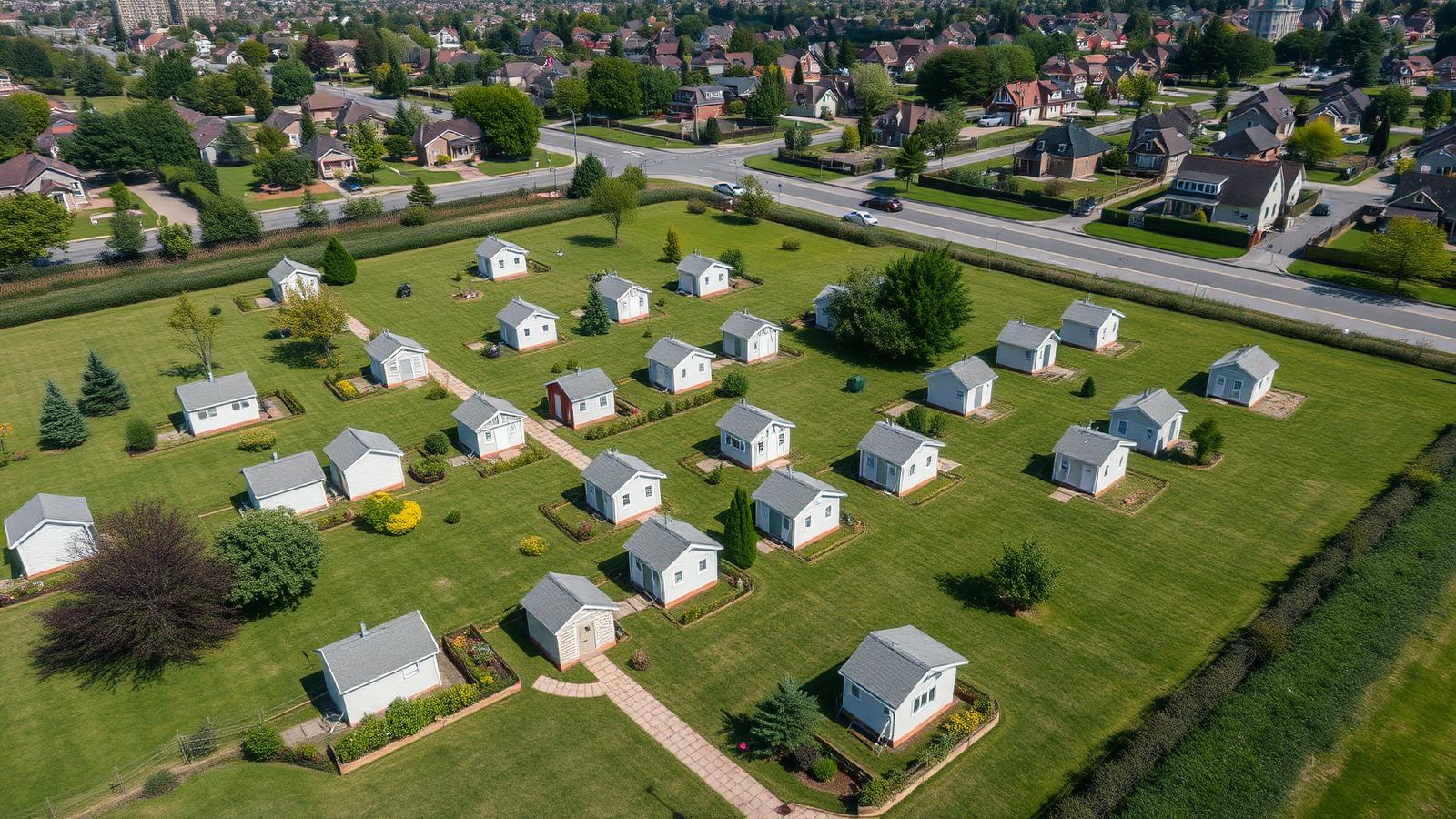
Common land villages are the most promising model at scale and the most dependent on structure. Thirty small homes around shared lawns, workshop, laundry and gardens can be built for a fraction of thirty detached houses, and residents get community as well as affordability. The variable is legal: a village with clear title or a long secure lease is housing, while a village on a handshake is precarious no matter how good the buildings look.
The genuine limits should be stated plainly. Small homes suit one or two people and a child far better than a family of five. Resale depends on whether the local market recognises the type. Finance is harder for anything on wheels. Services, stormwater, parking and waste still have to be solved, and their cost does not shrink in proportion to floor area. Anyone promising that a tiny home is simply cheap has skipped the site work.
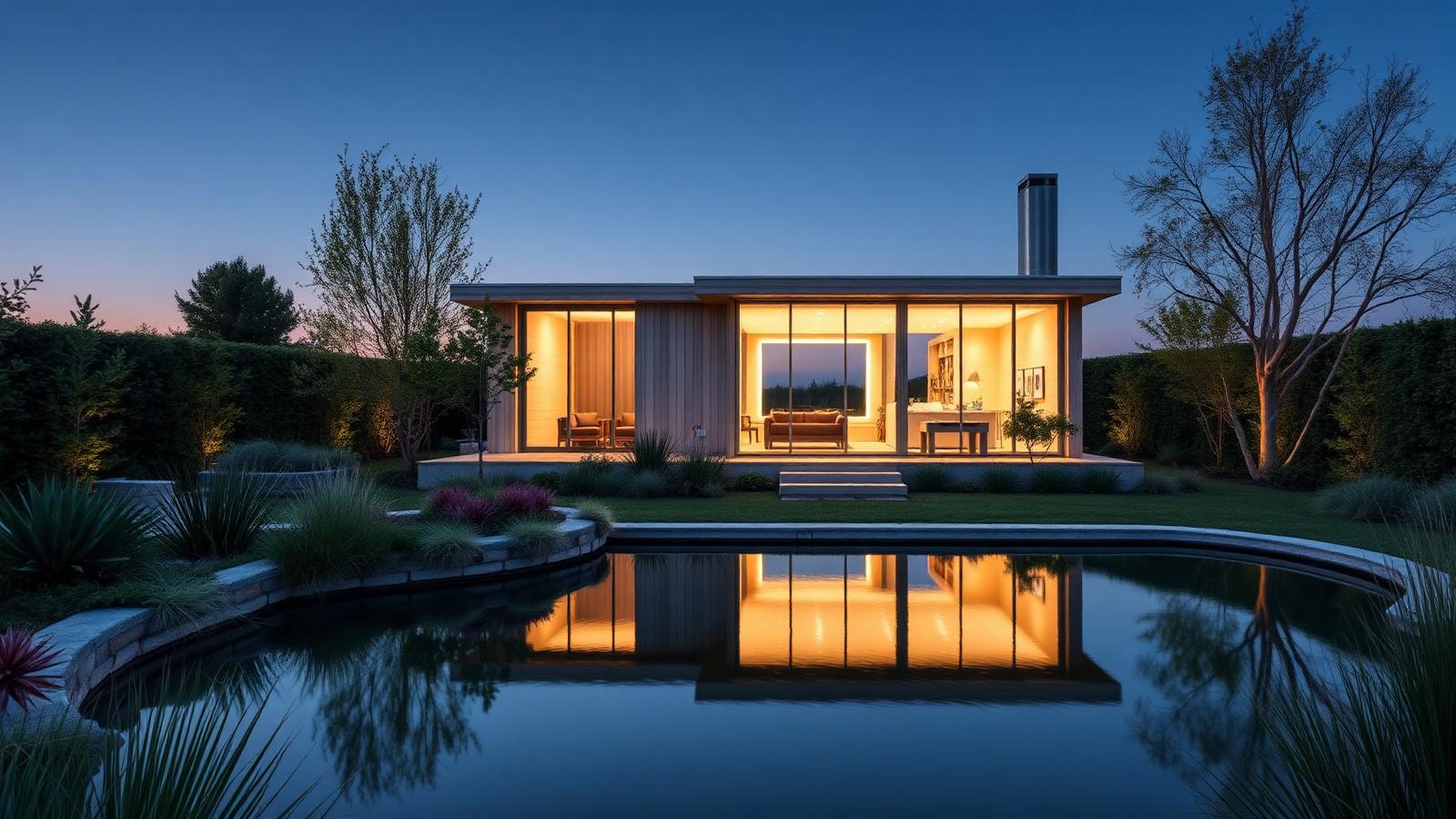
The conclusion the photographs support is a moderate one. Tiny homes are not a complete answer to expensive housing, but they are a real and immediately available part of one — particularly as second dwellings on existing lots and as villages on well planned common land. They also happen to produce homes with better gardens, lower running costs and more usable outdoor space than most of what is being built new, which is a strange bonus for the cheapest option on the table.
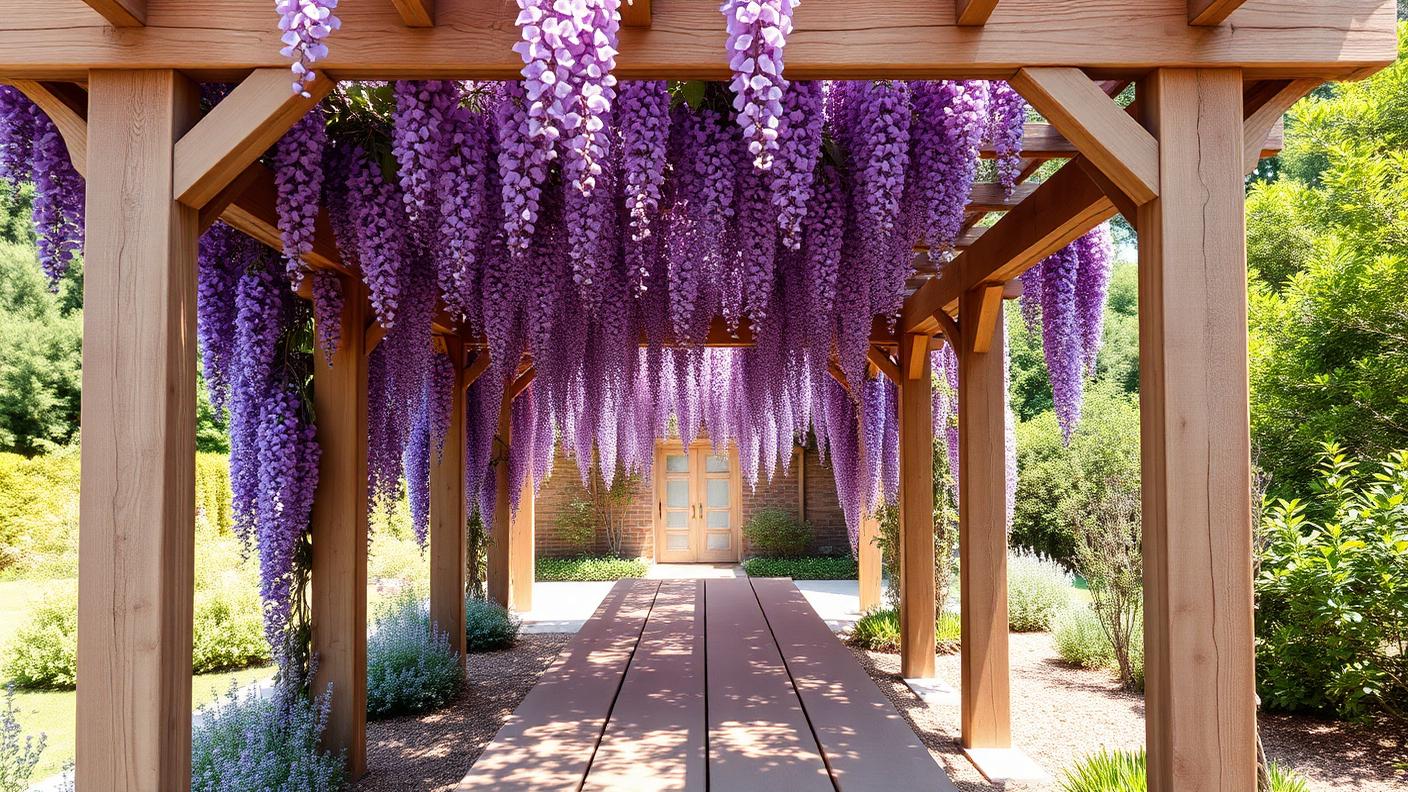

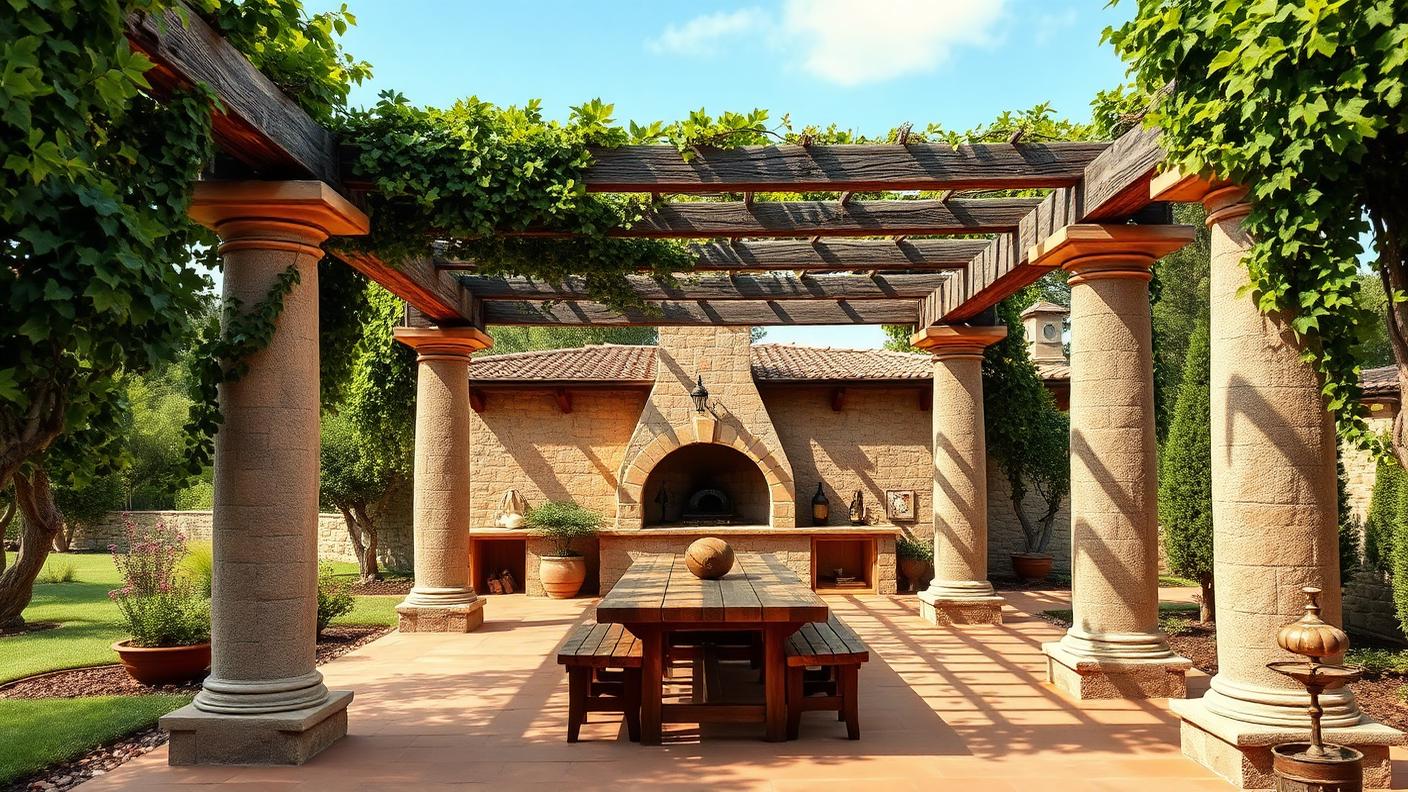
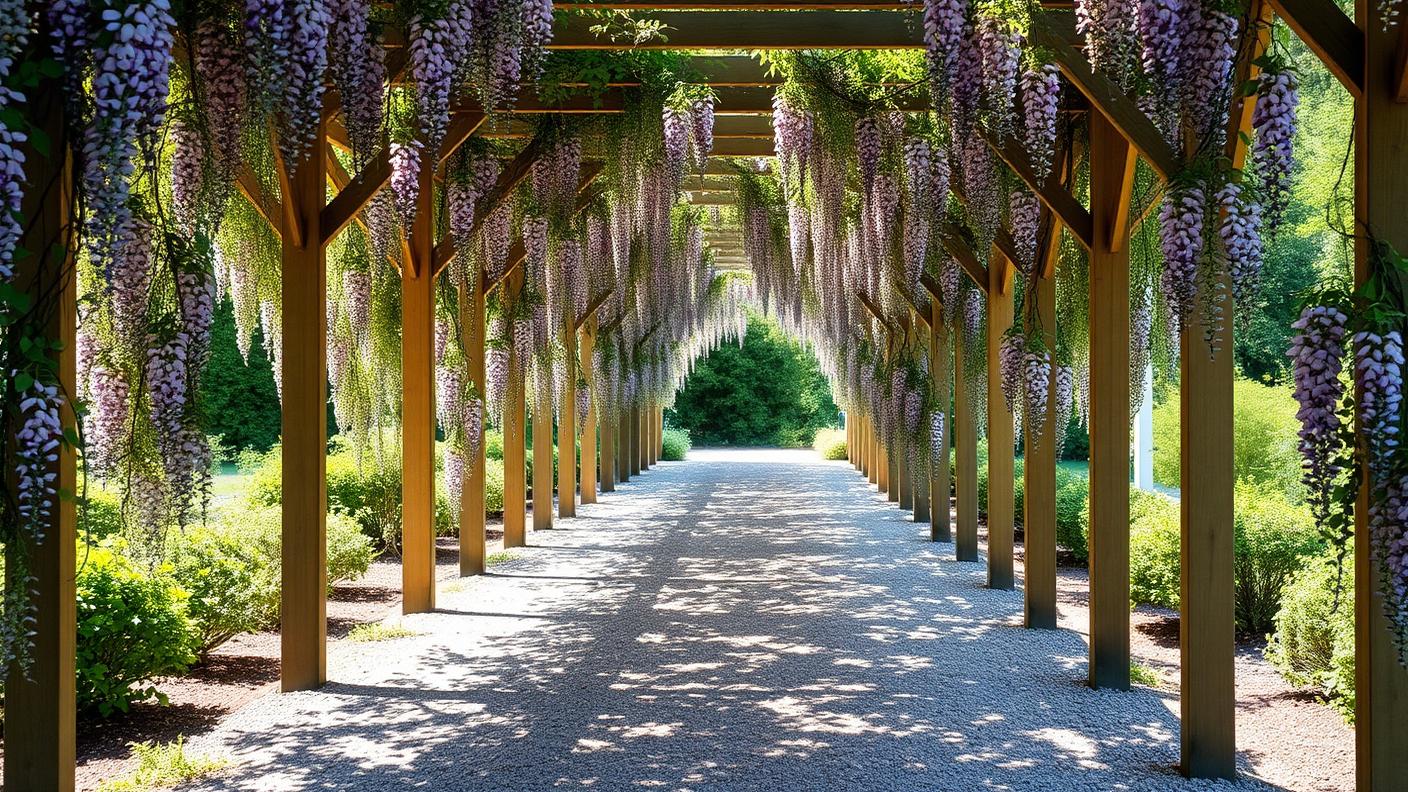
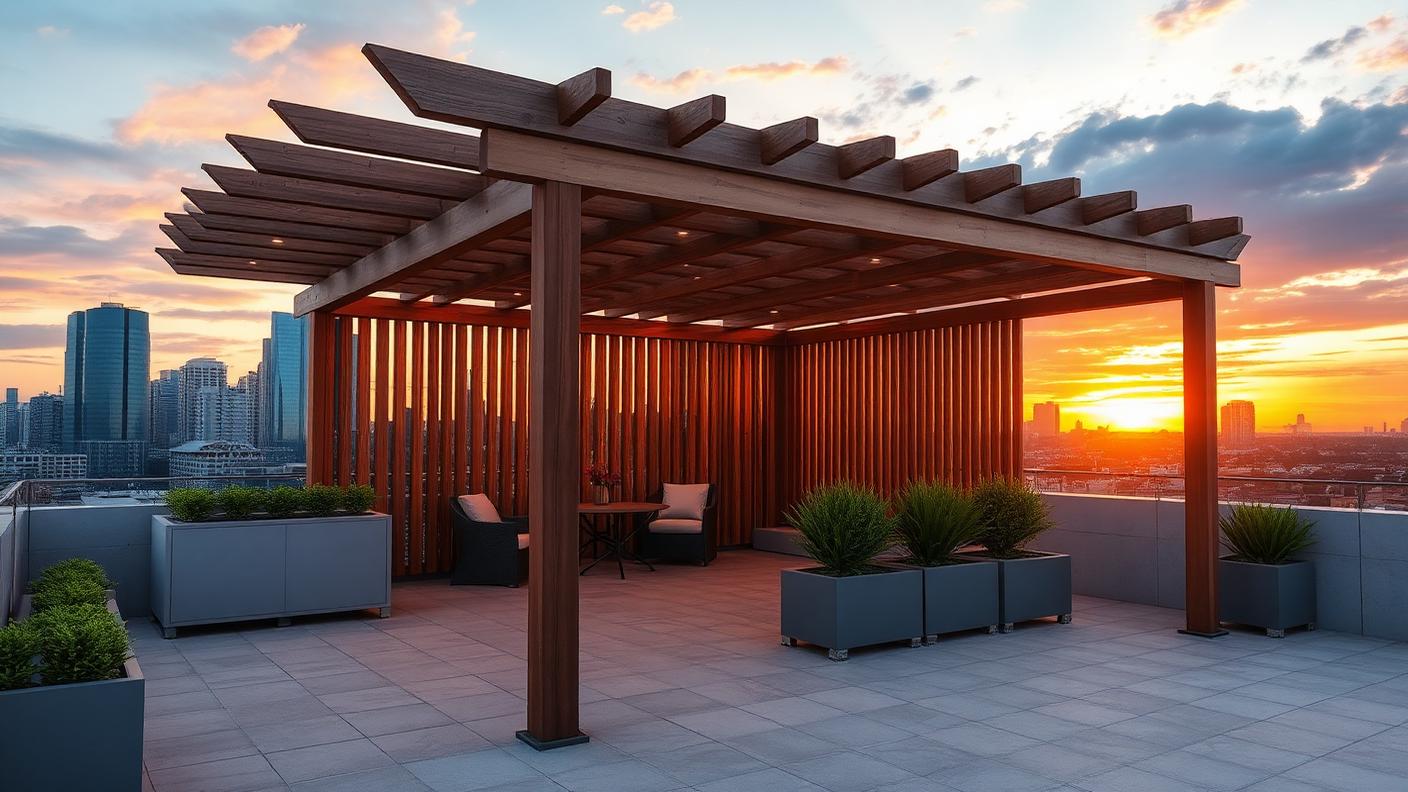
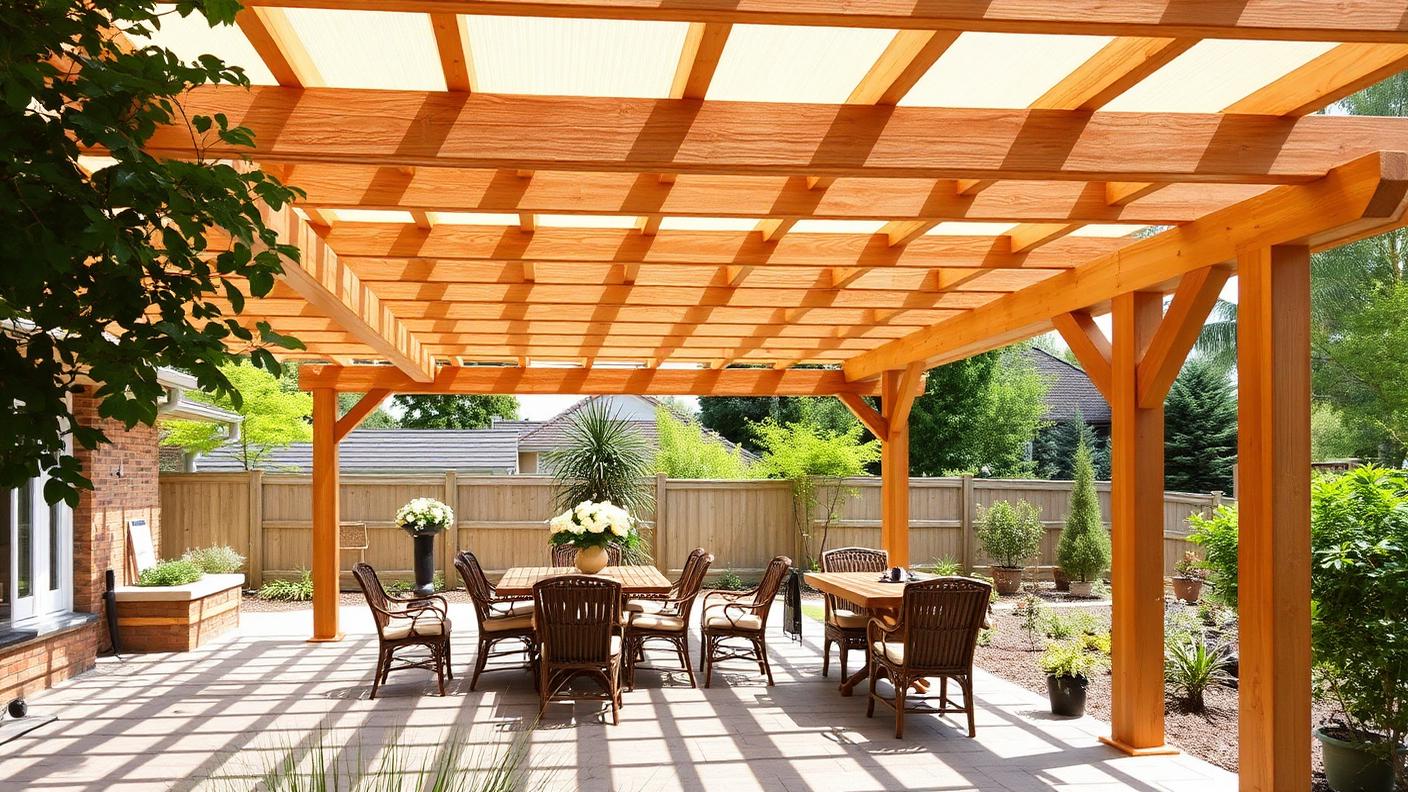 01 · Open rafter & vine