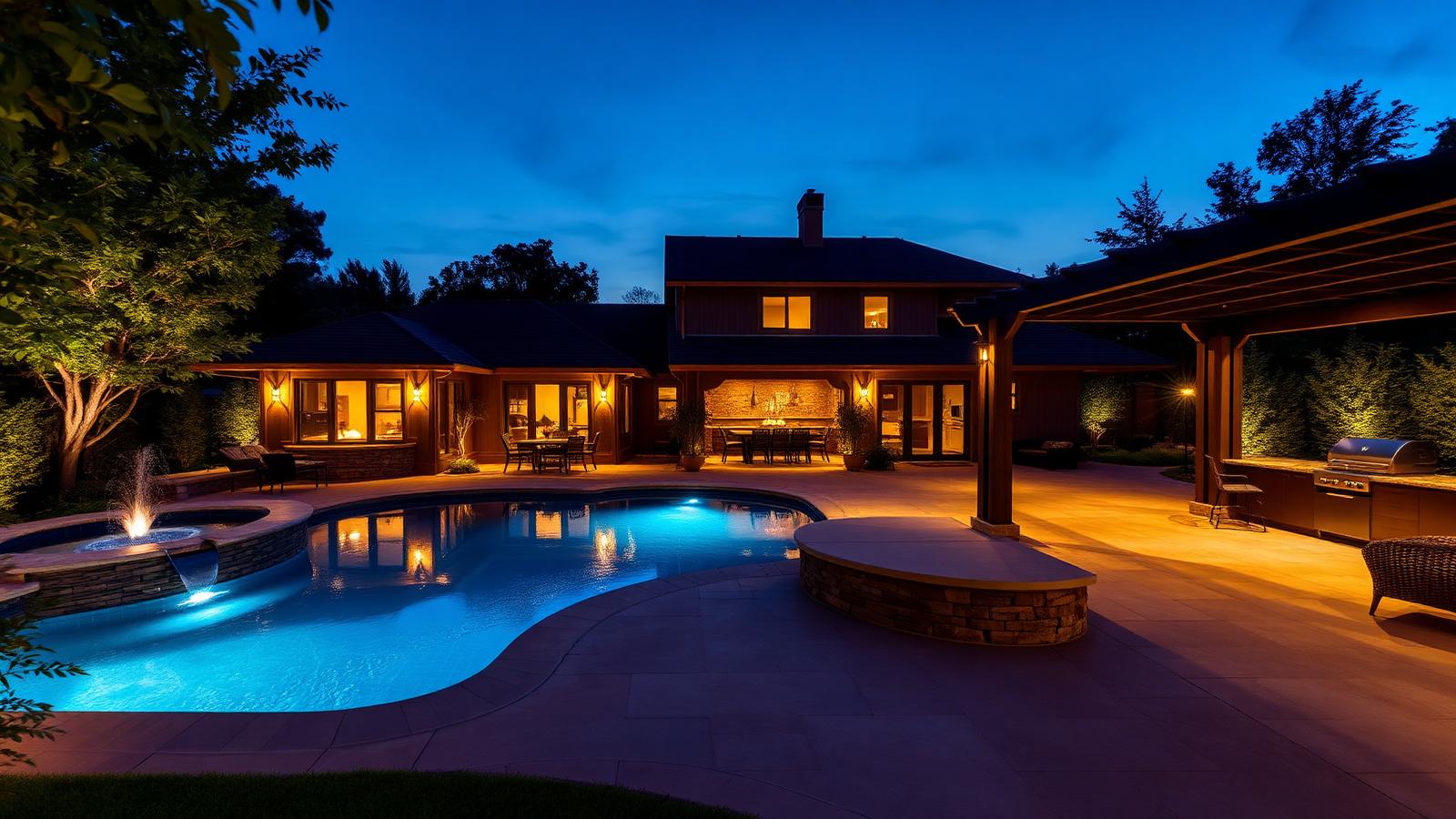
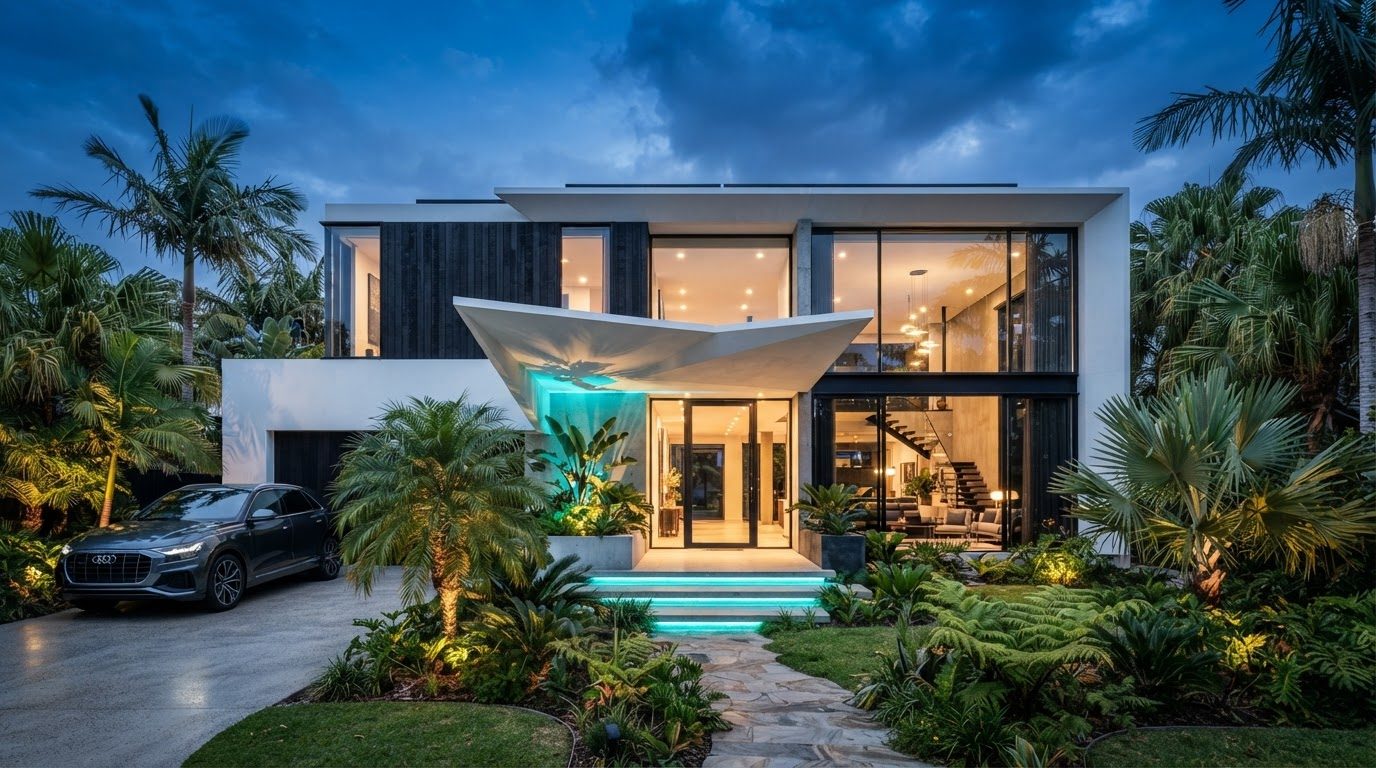
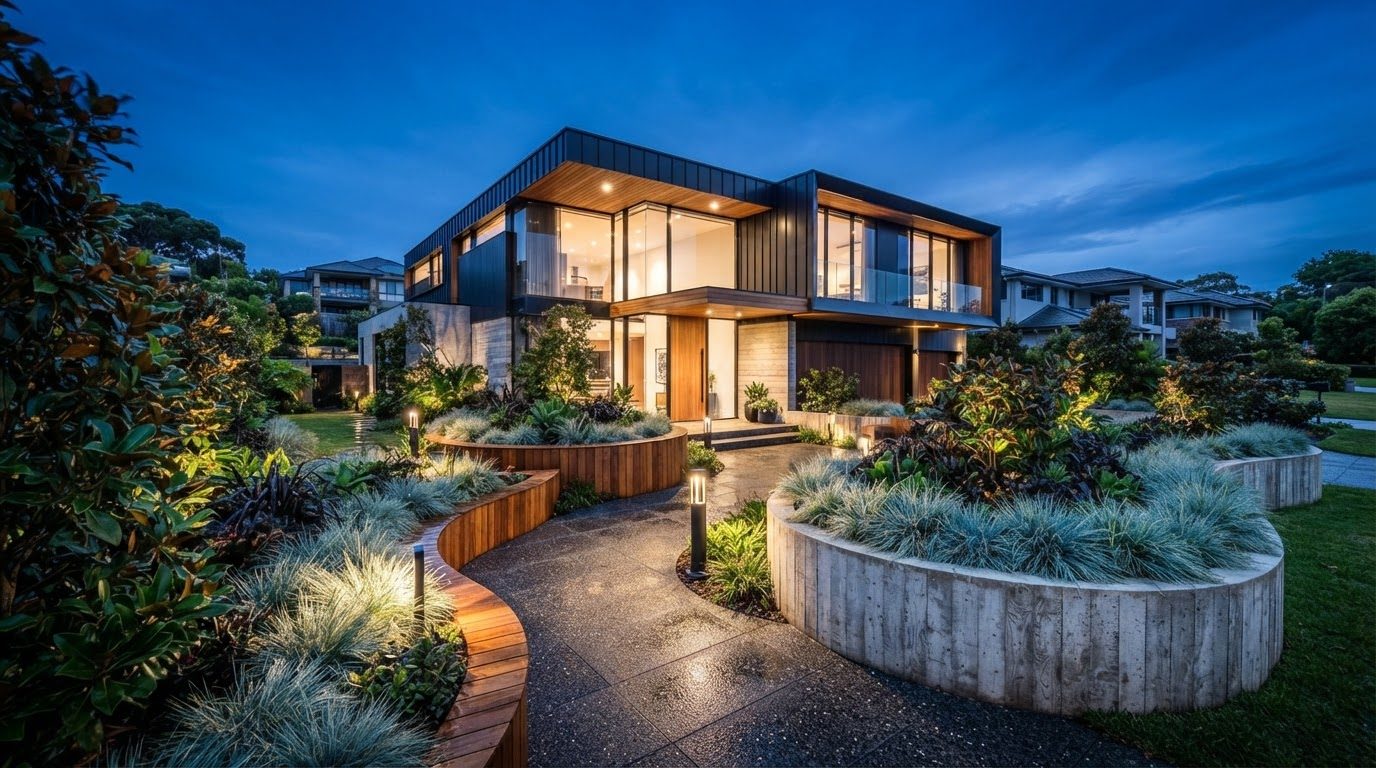
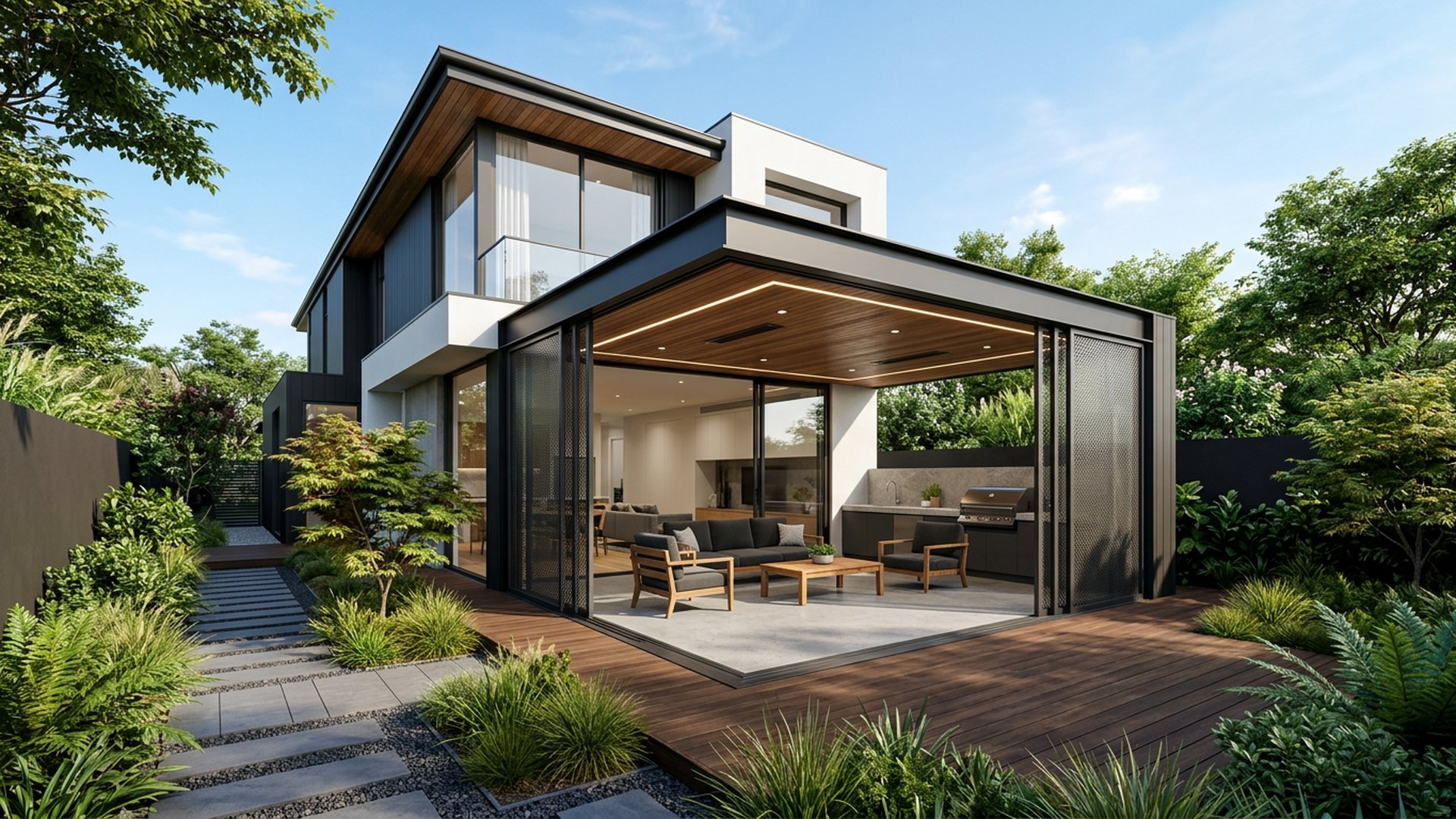
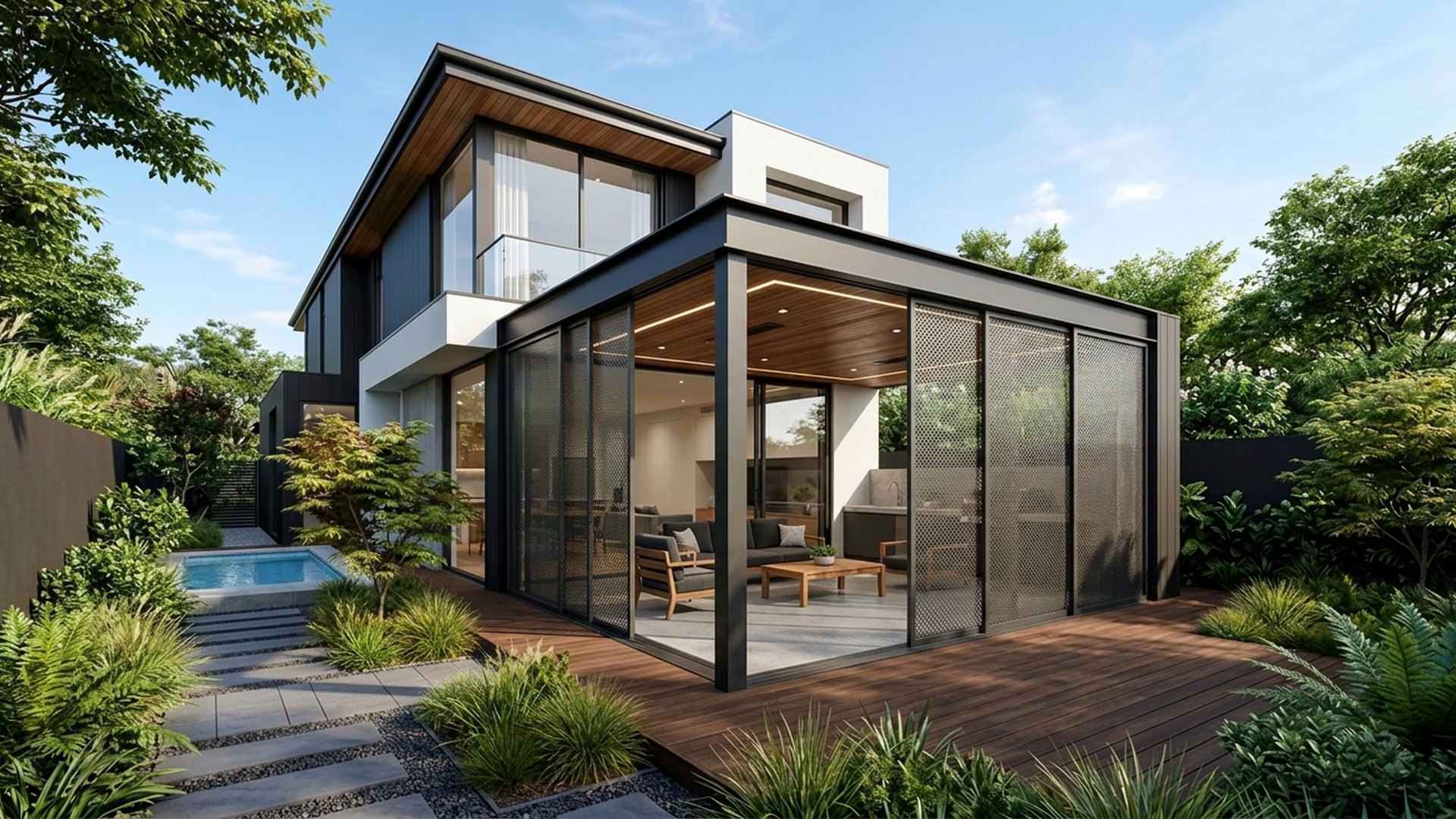
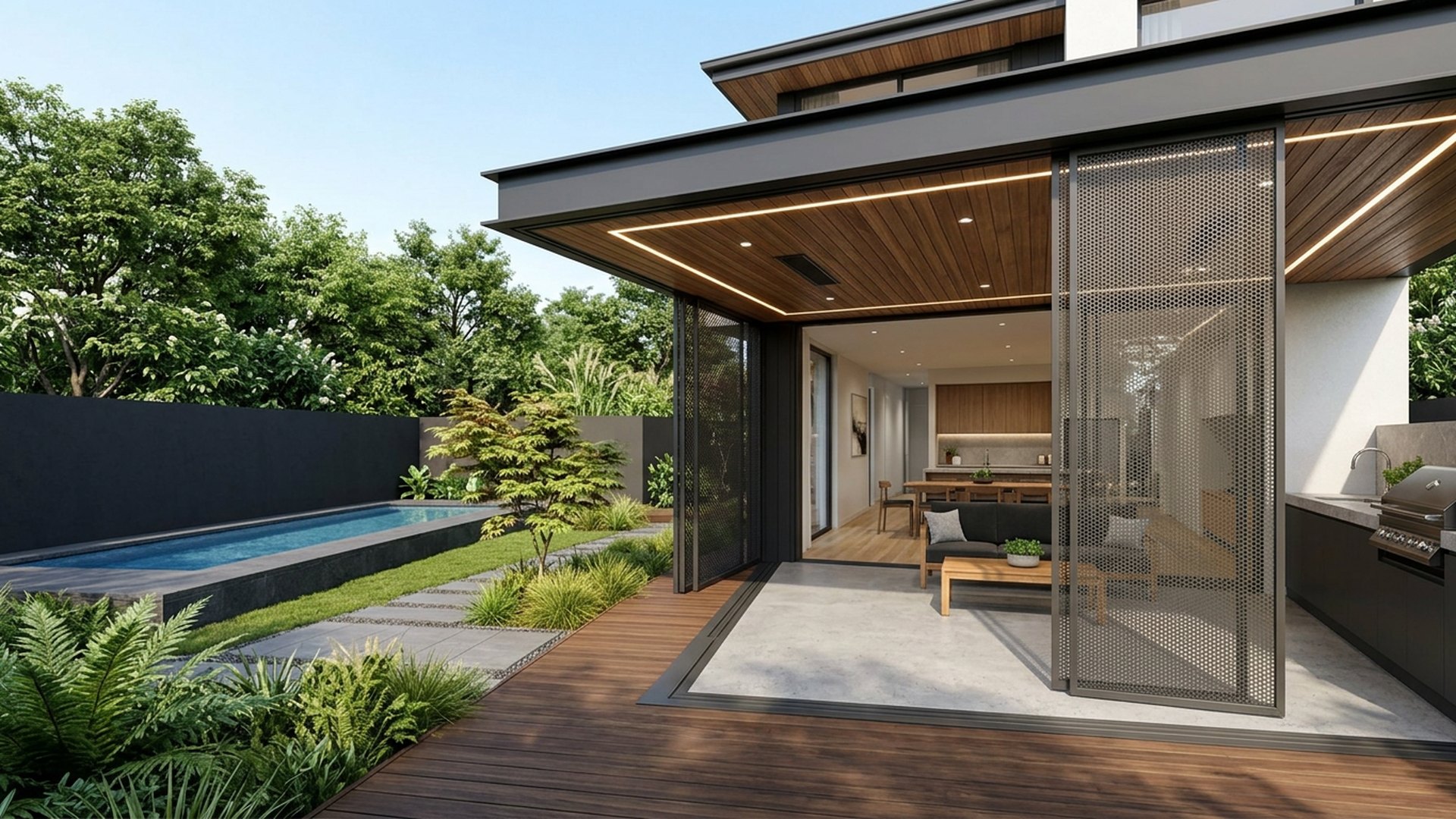
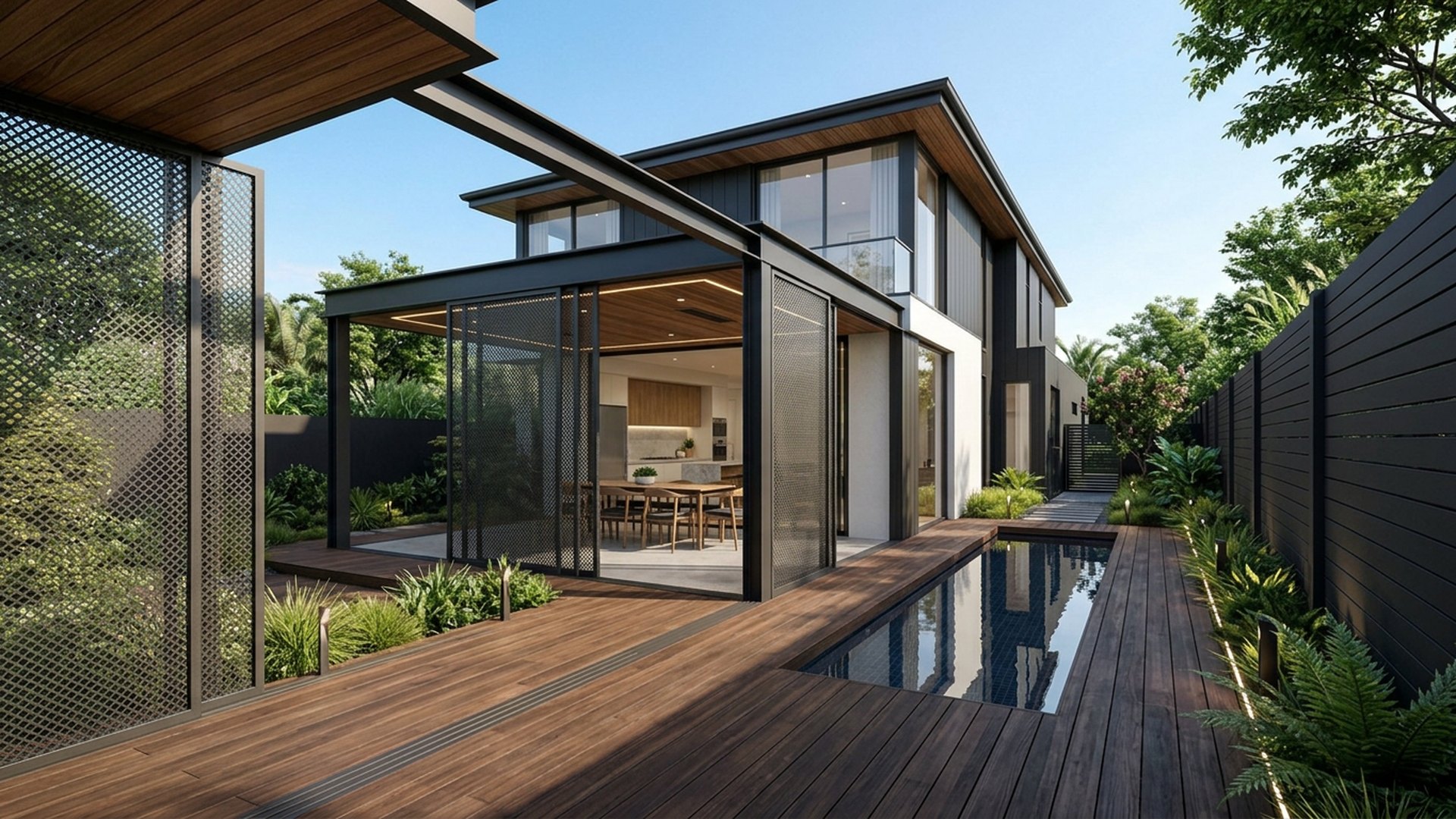
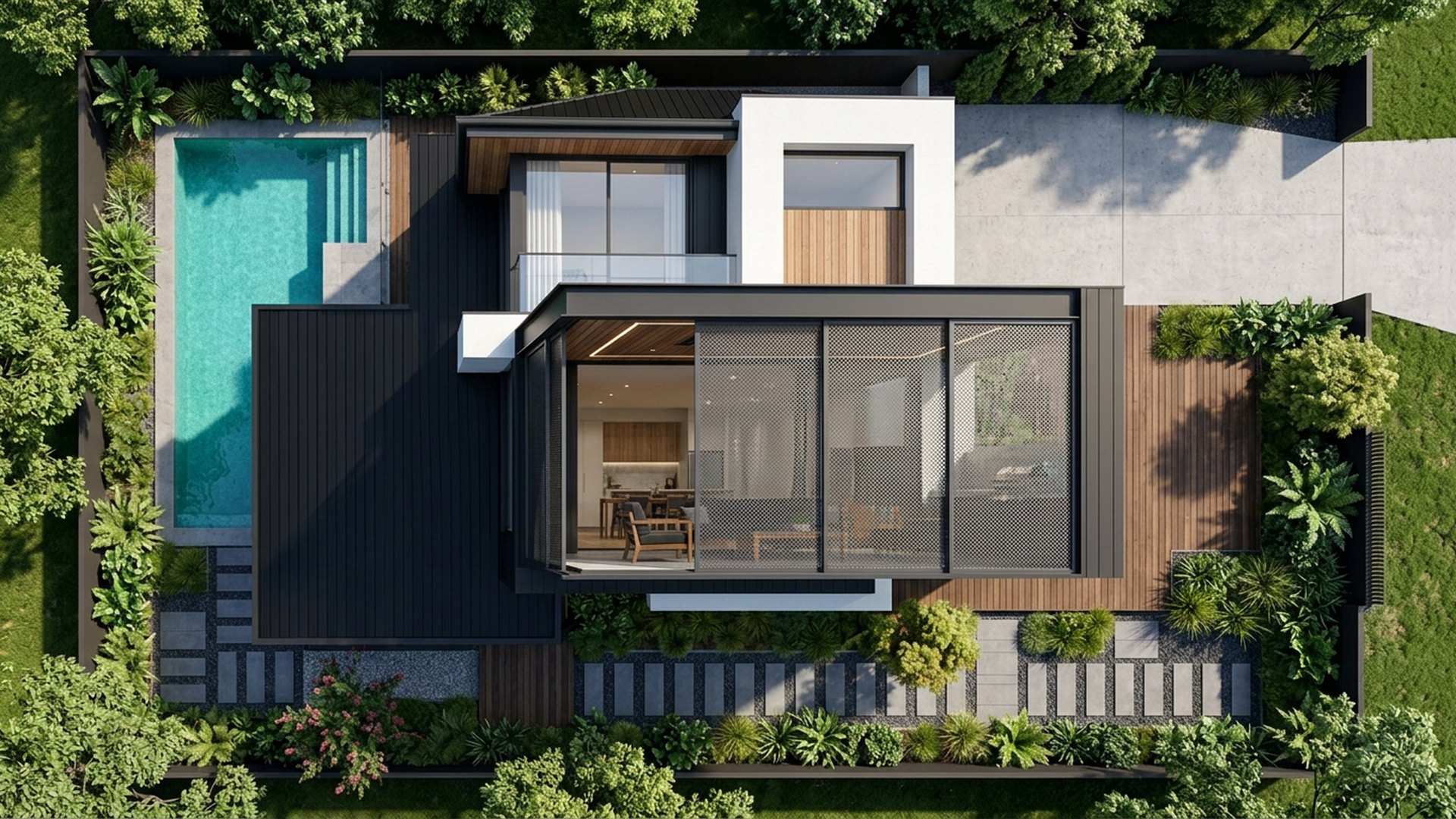
Forty four classic and modern beach homes — weatherboard cottages, cantilevered oceanfront glass, linen and teak interiors, and homes built around life on the water.
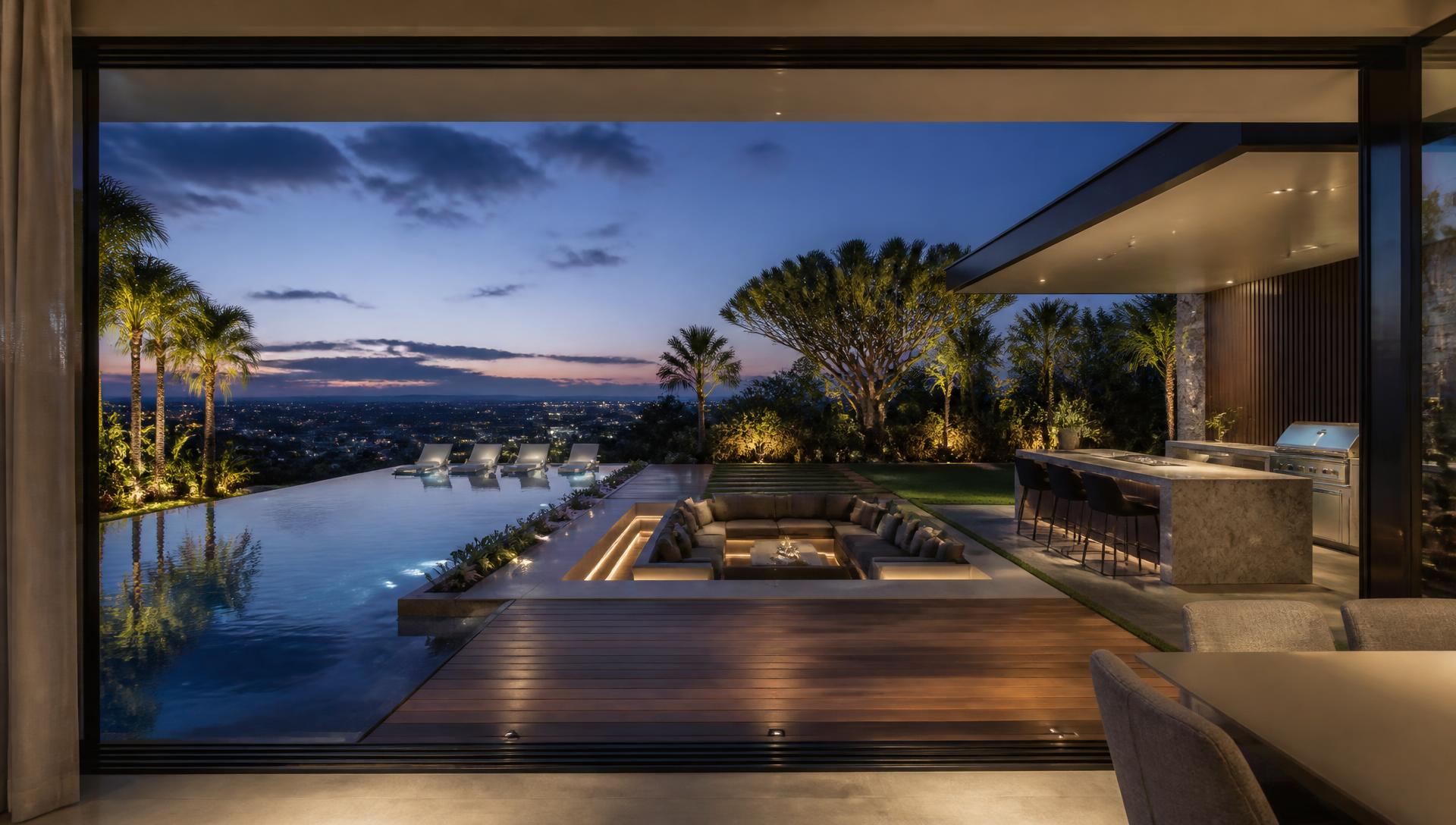
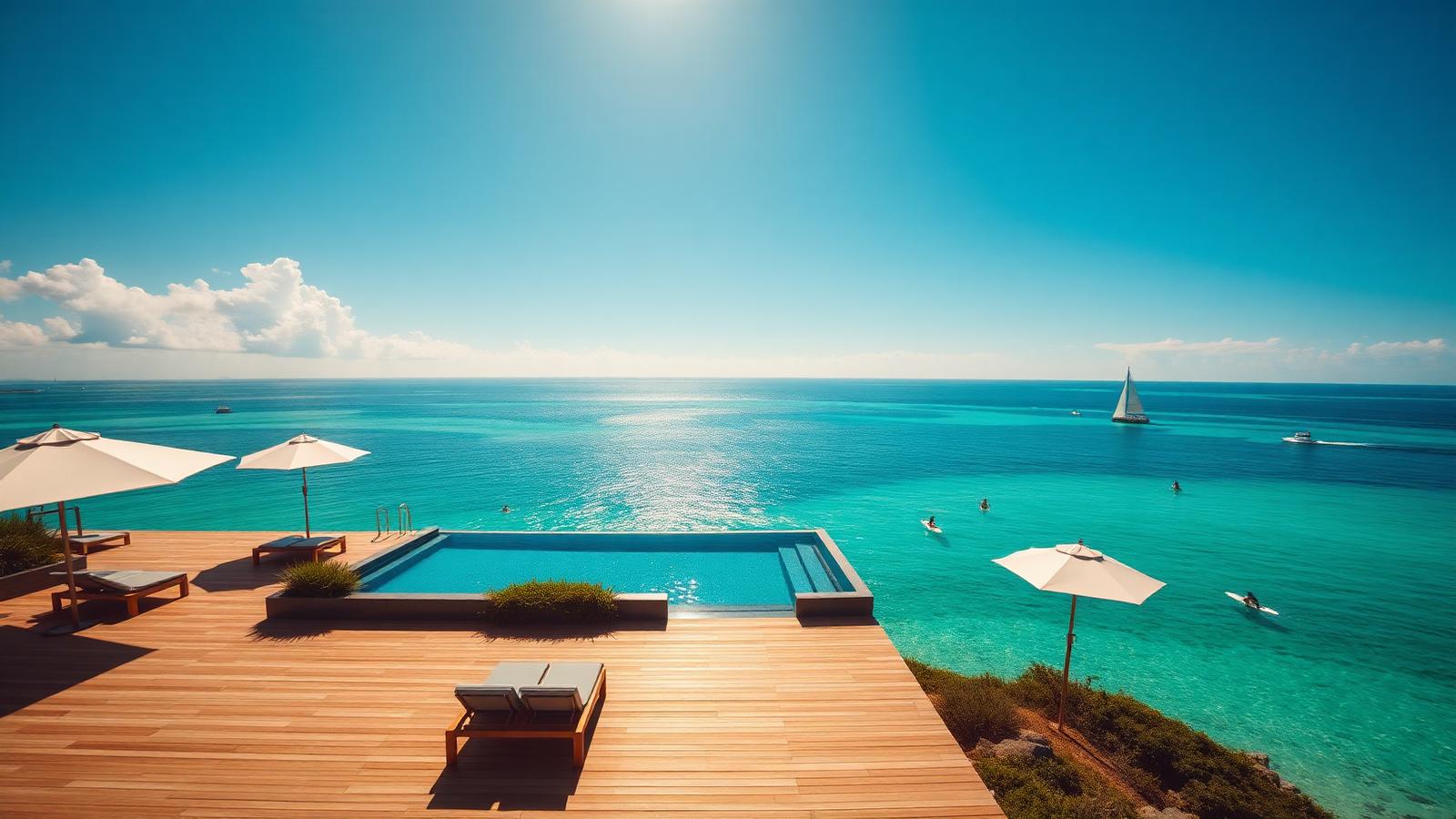
Beach houses divide neatly into two families, and the best of them borrow from both. The first is the classic cottage: weatherboard cladding, a pitched metal roof, deep verandahs, timber floors that can take sand and salt water, and a plan small enough that the whole family ends up in the same room. The second is the modern oceanfront house: a low horizontal form, glass turned toward the horizon, cantilevered decks and a roofline designed to disappear so the view does all the talking.
What both share is a response to a genuinely hostile environment. Salt air destroys unprotected steel, wind drives rain under badly detailed eaves, and ultraviolet light bleaches anything left exposed. Successful coastal homes use marine grade stainless fixings, powder coated or anodised aluminium windows, hardwood or thermally modified timber decking, and generous overhangs that keep weather off the glass. These are not aesthetic decisions, but they define the look of coastal architecture more than any style choice.
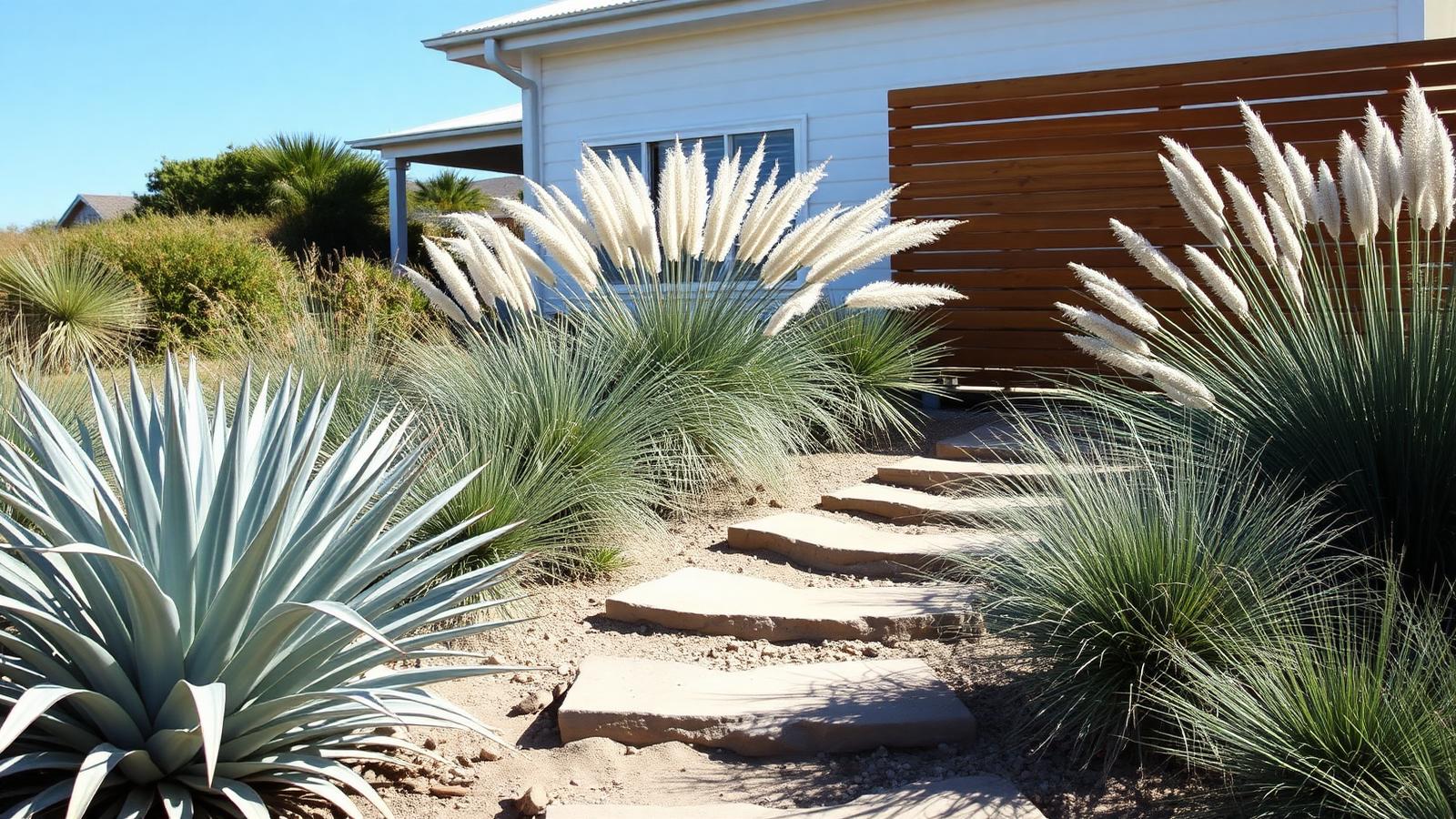
The garden is the part most owners underestimate. Coastal planting must survive salt spray, sand and wind, which rules out most of what looks good in a suburban nursery. The palette that works is tough and beautiful: coastal rosemary, banksia, agave, pigface, dune grasses and hardy succulents, planted through gravel or sand mulch with timber sleeper edging. Windbreak planting on the seaward side makes the difference between a deck you use and a deck you look at.
Interiors follow the same logic of durability made attractive. Heavy natural linen, teak and rattan furniture, pale timber floors, and walls kept light so the reflected sea light does the decorating. Outdoor showers, boot benches, board racks and a hose point near the door are what make a beach house actually function after a day in the water. A plunge pool courtyard on the sheltered side gives the family somewhere to swim when the surf is unusable.
The homes in this feature that stay in the memory are the ones designed around an activity rather than a floor plan. A surf house with a shaped rack wall and an outdoor change room. A fishing house with a stainless cleaning bench and a smoker under cover. A boating house with a hardstand and a wide clear path to the water. A long lunch house whose entire ground floor is a covered table and a kitchen that opens to it. In each case the architecture is simply the frame around how the family wants to spend a summer.
If you take one lesson from forty four coastal homes, take this: build small and build well. The coastal houses people fall in love with are rarely the largest on the street. They are the ones with the right orientation, the right shelter, honest materials that weather rather than fail, and a garden that looks as though it grew there before the house arrived.