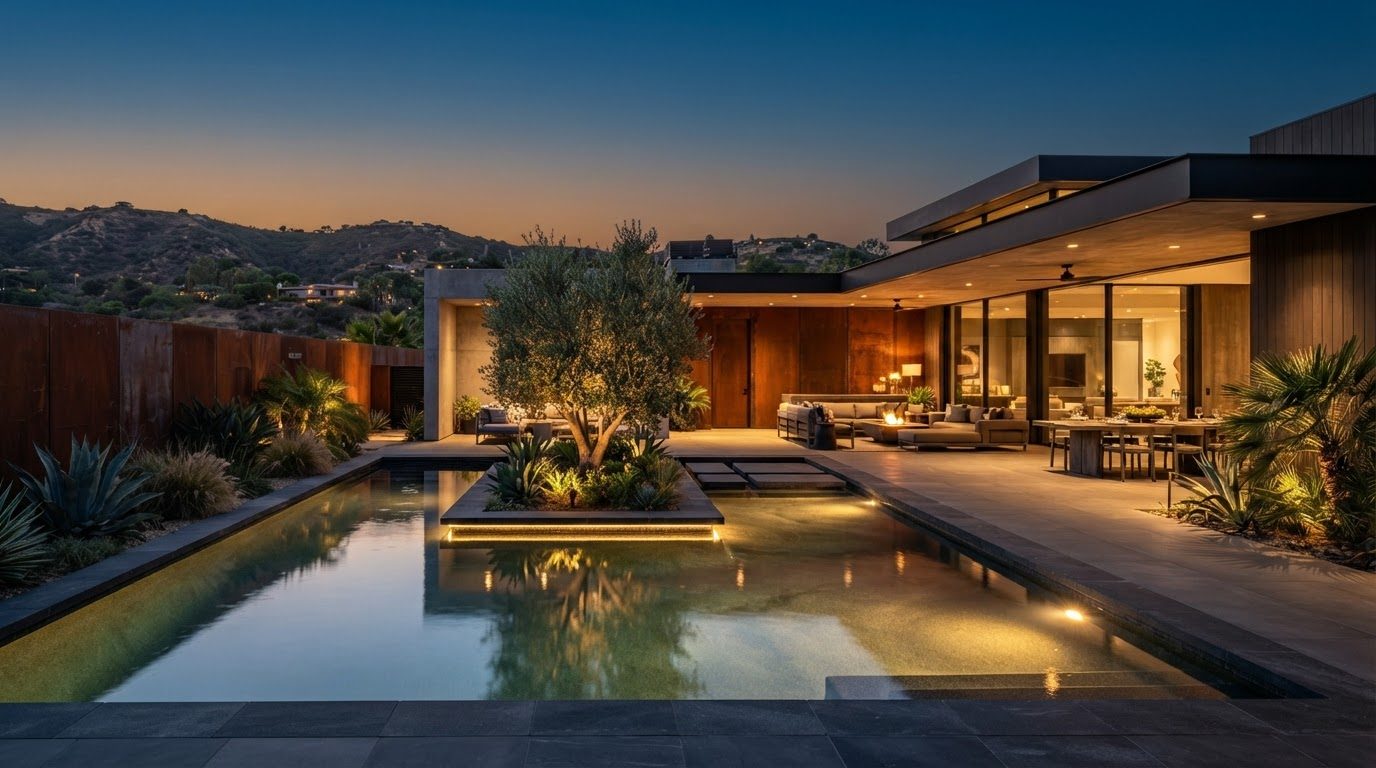
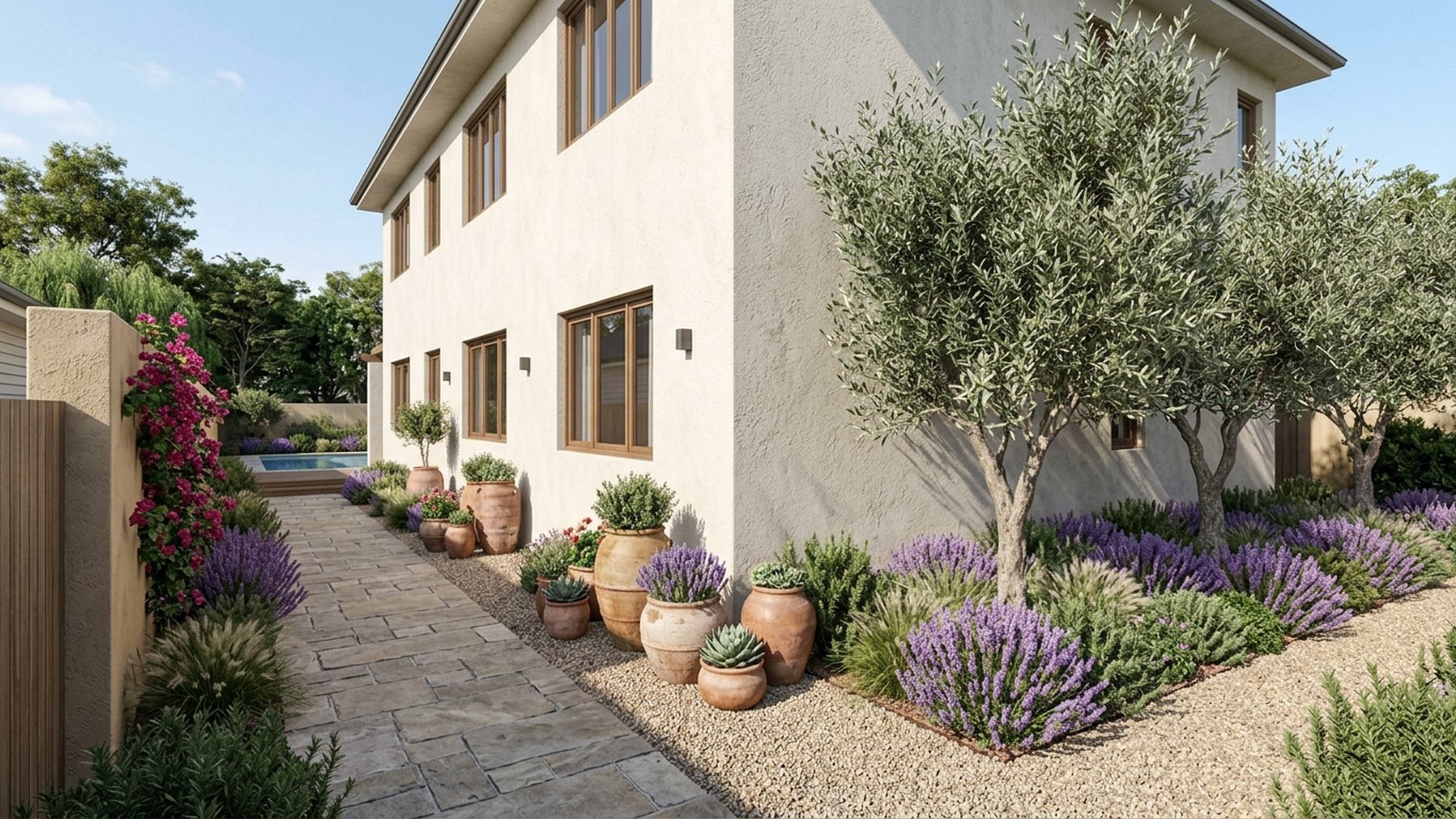
Full feature article · Future Homes
Smart Home Technology and Future House Design Ideas and Photos
The automation that genuinely improves daily life — lighting scenes, climate, shading, irrigation, security and solar, wired to last twenty years.
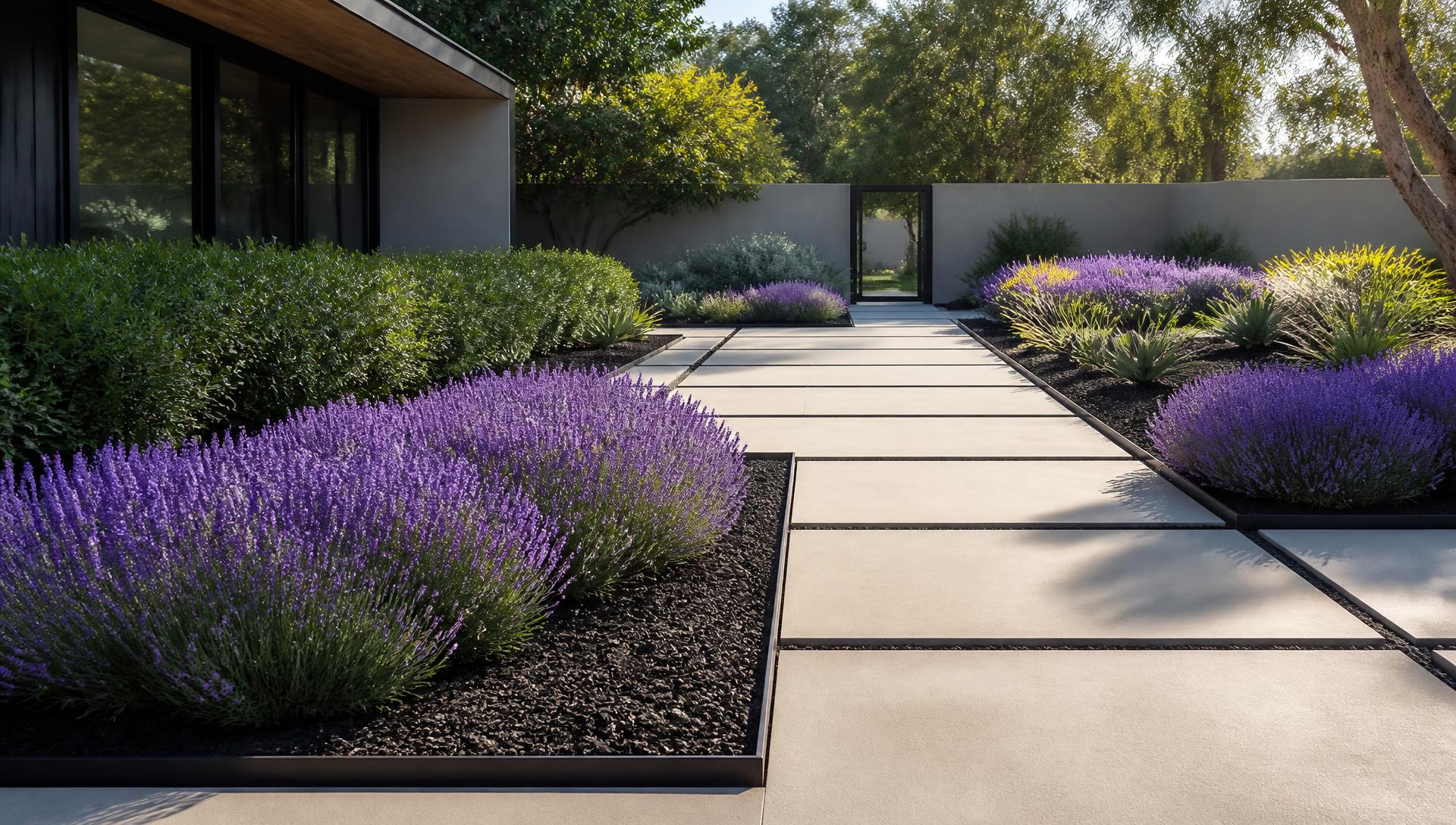
A genuinely smart house is not the one with the most devices, it is the one you never have to think about. The systems worth automating are the ones you would otherwise adjust several times a day: lighting, heating and cooling, external shading, irrigation, pool equipment, hot water and energy. Everything else is a gadget, and gadgets age badly while good infrastructure lasts decades.
Wire it properly and the rest becomes easy. Structured cabling to every screen and access point, a small ventilated comms cabinet, hardwired sensors and switches on the circuits that matter, and a spare conduit to the garden, garage and studio. Wireless is a convenience layer over a wired backbone, not a substitute for it. This costs very little during construction and is prohibitive afterwards, which is why it belongs in the earliest drawings.
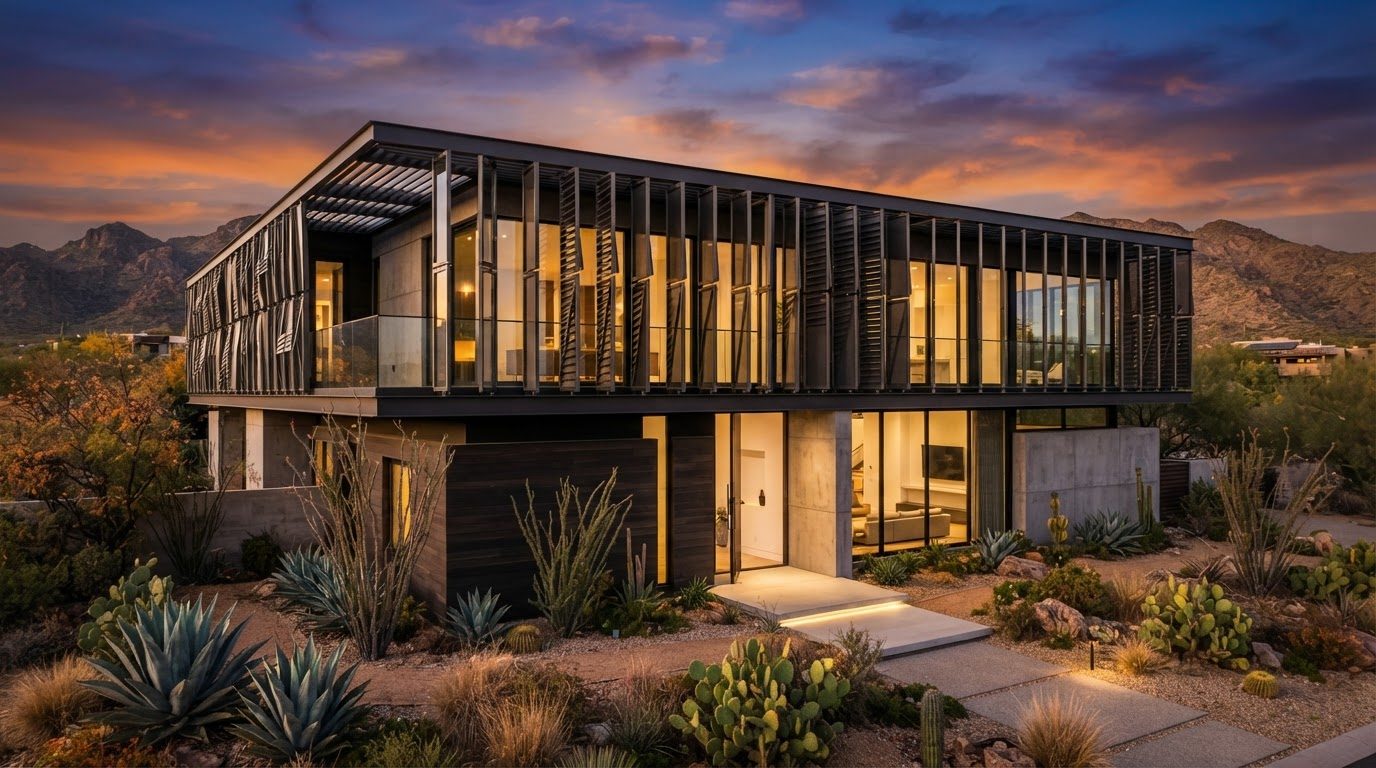
Then automate around the sun rather than the clock. External blinds and louvres that close on the west in the afternoon do more for comfort than any air conditioner setting. Lighting scenes tied to sunset, irrigation tied to soil moisture and weather forecasts, pool filtration and hot water tied to solar production, and climate zones tied to occupancy. Each of these saves energy invisibly while making the house feel better to be in.
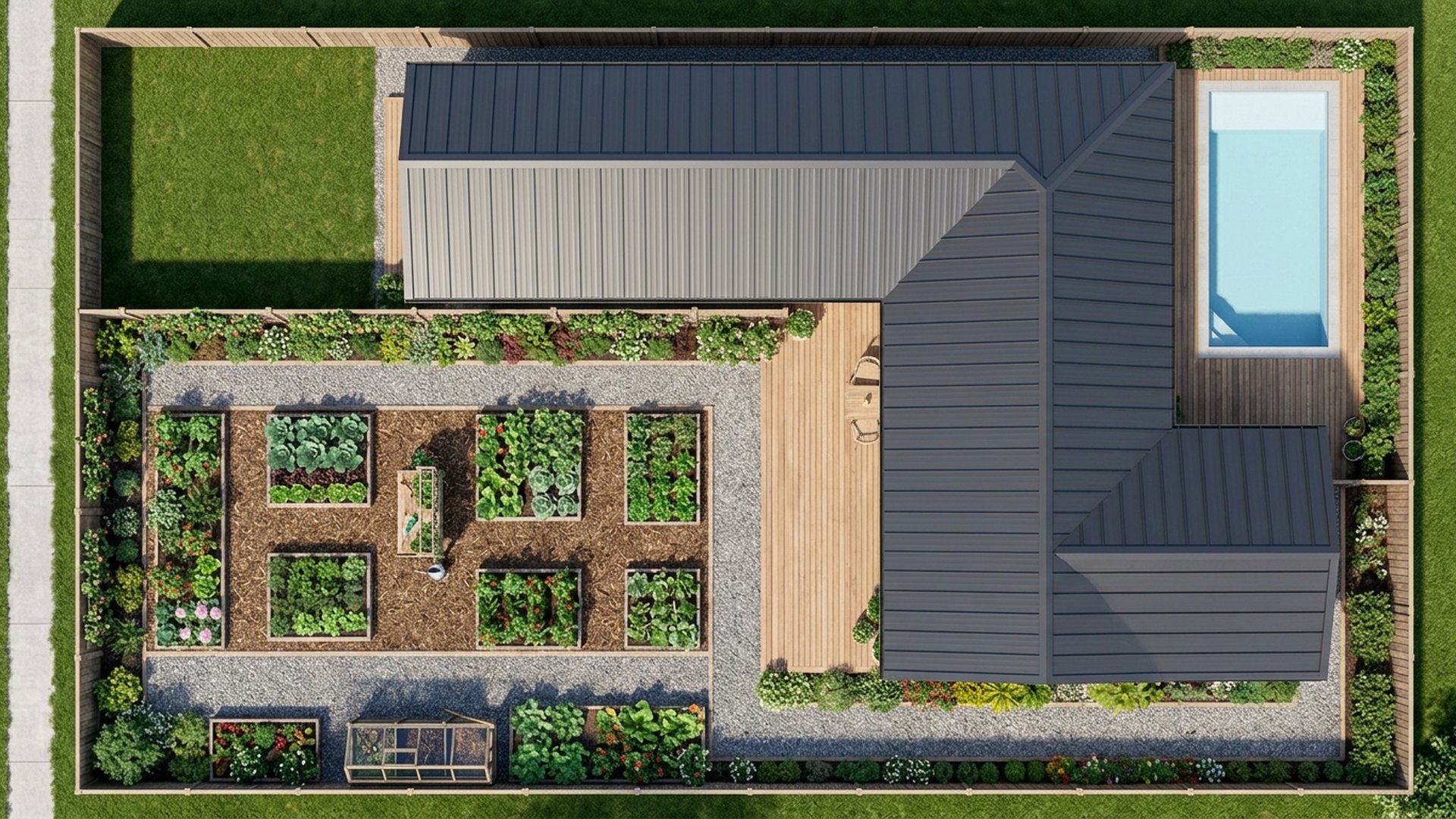
Solar, batteries and monitoring close the loop. A well sized array, a battery if the tariff justifies it, an electric vehicle charger on a controlled circuit, and a single dashboard showing generation, consumption and export. The design lesson from every future home worth photographing is that the technology should be felt and not seen: no visible sensors on feature walls, no wall covered in switch plates, and one simple control everyone in the household can actually use.