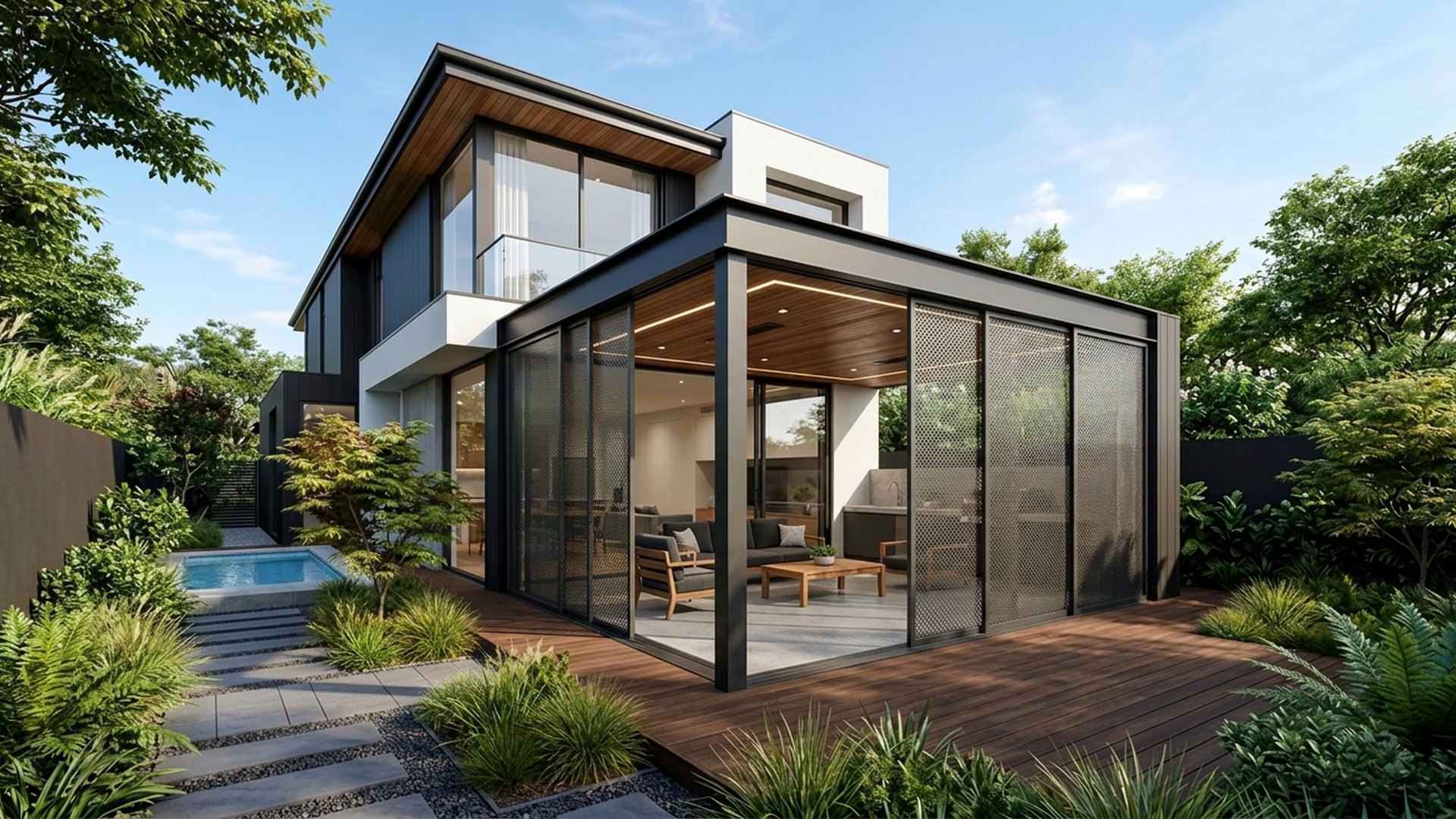
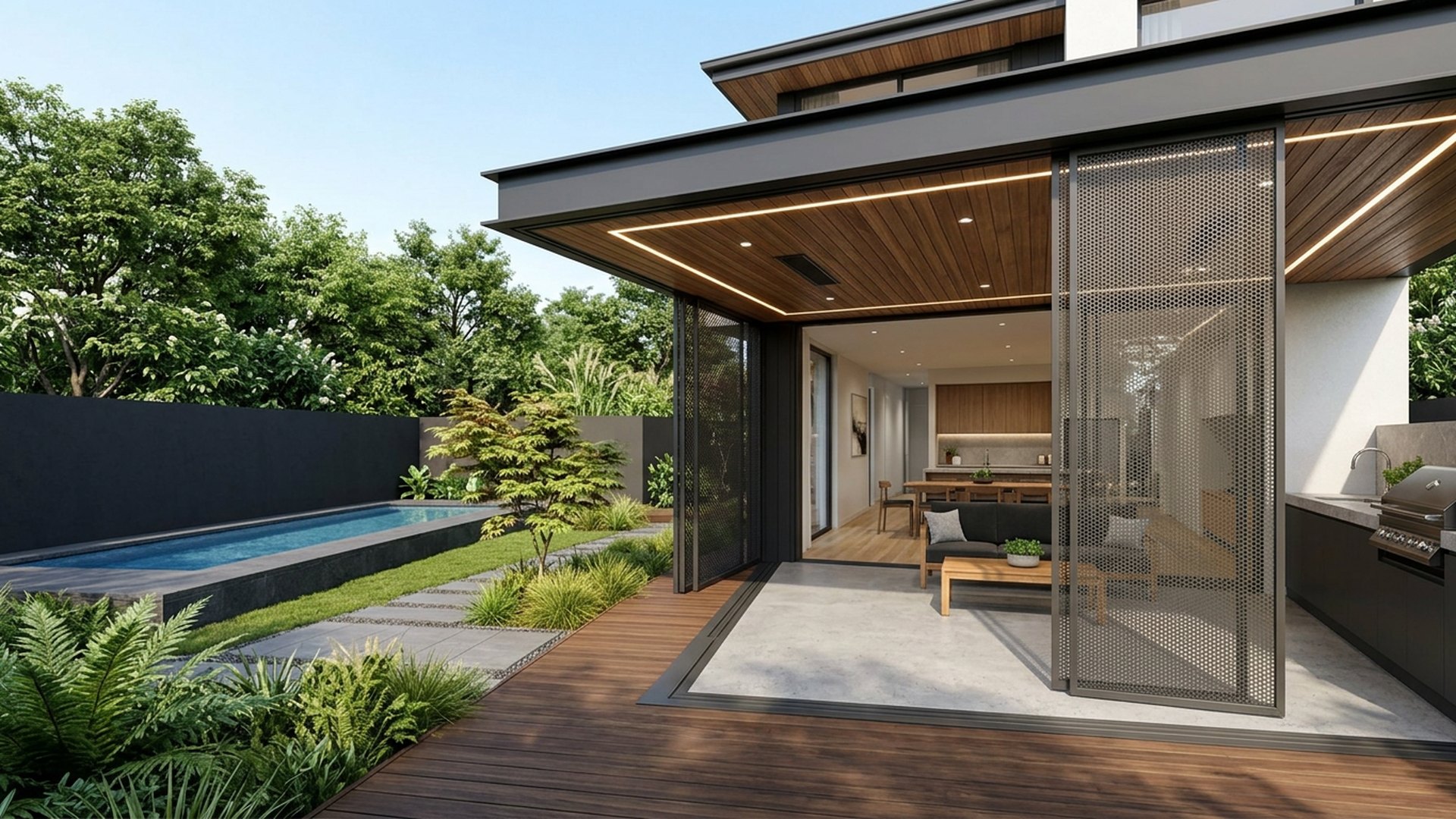
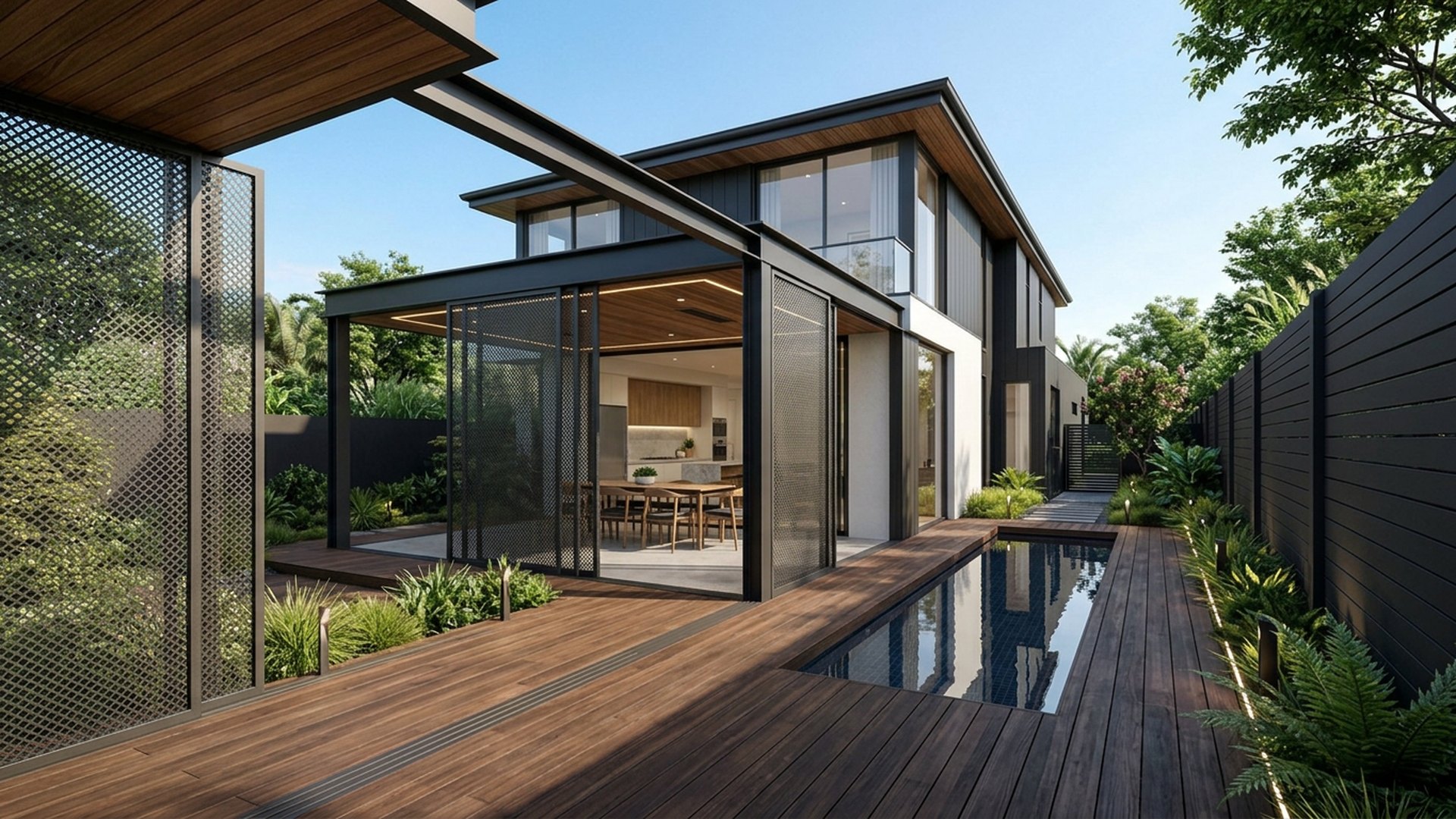
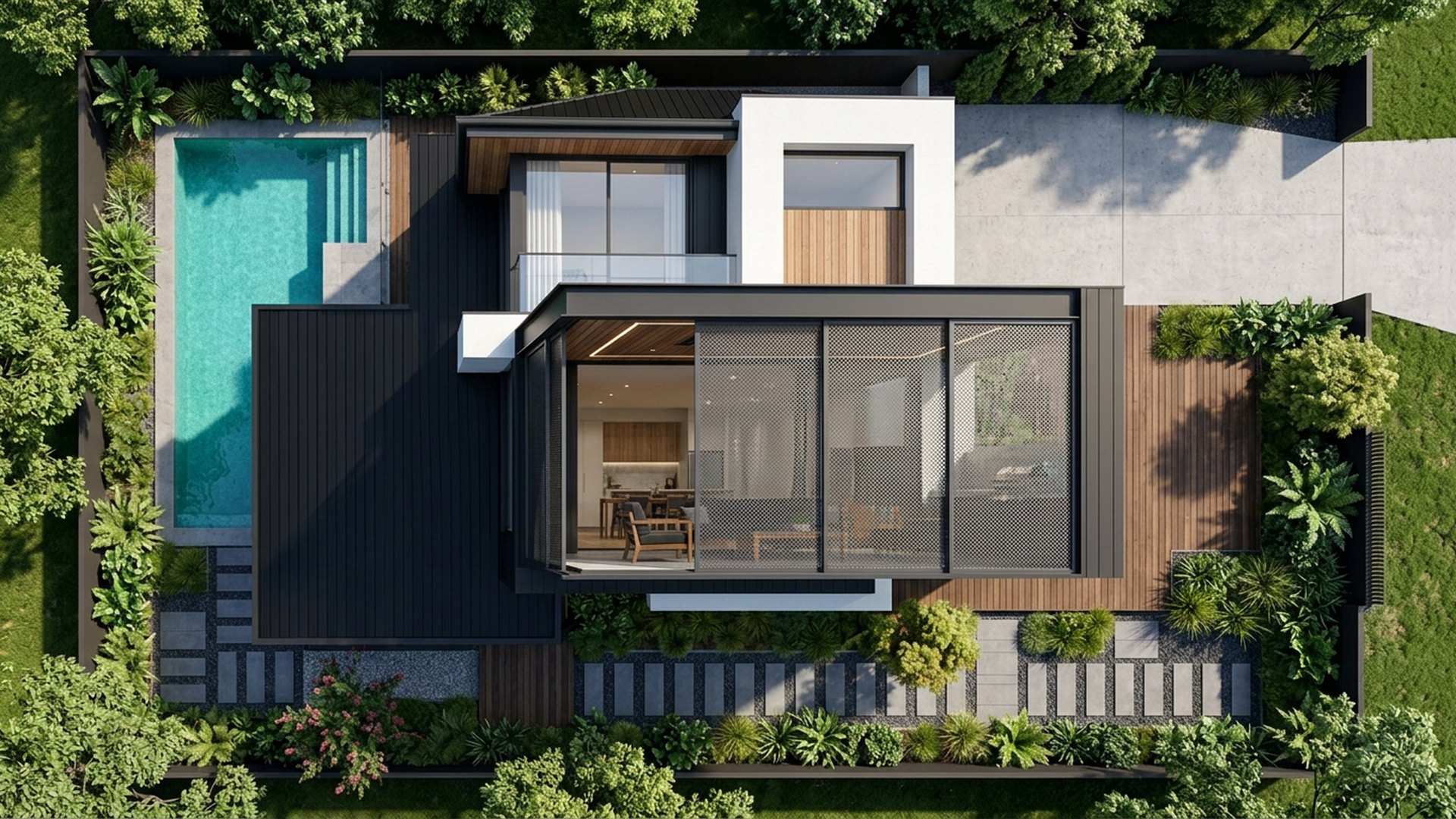
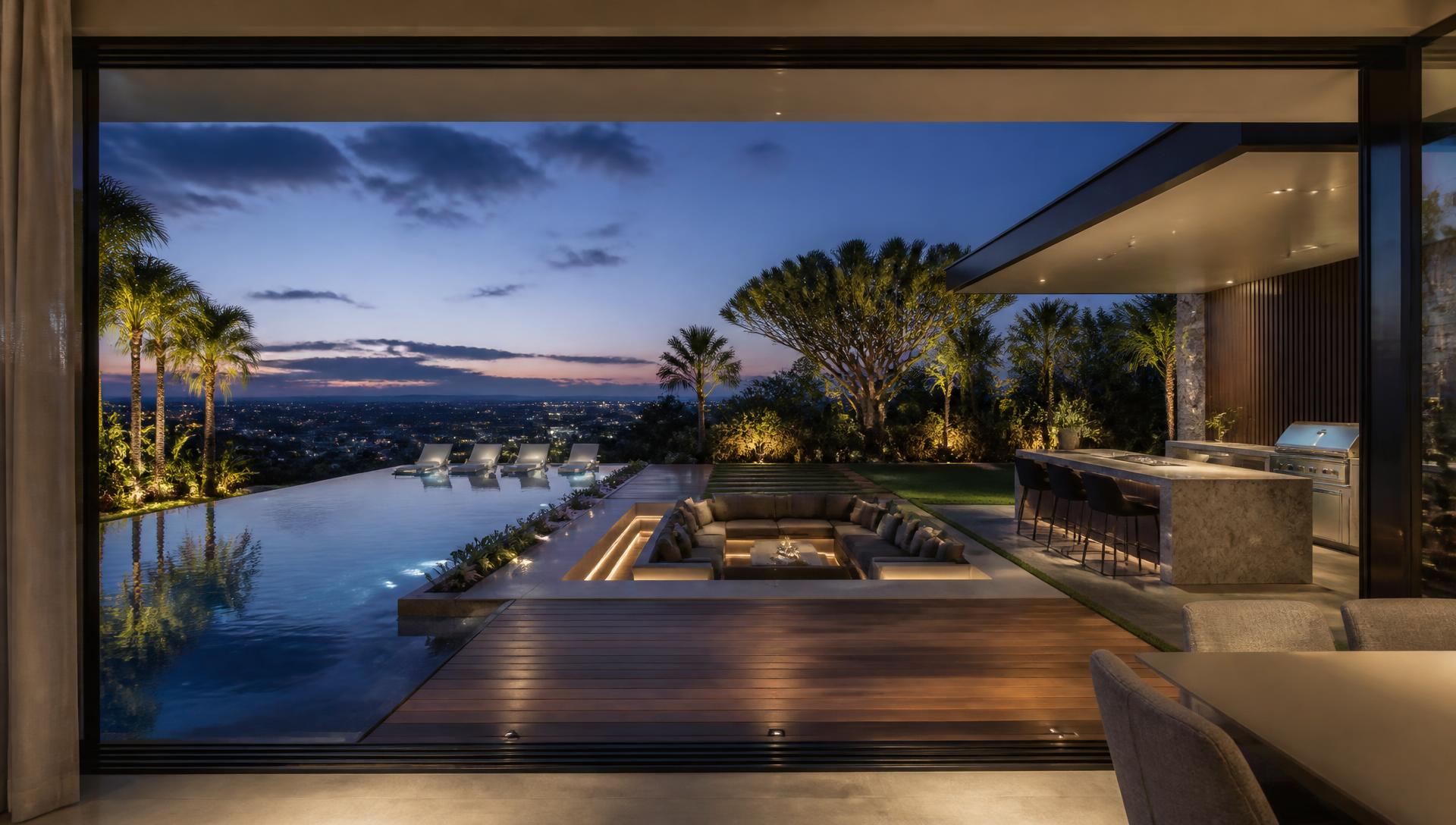
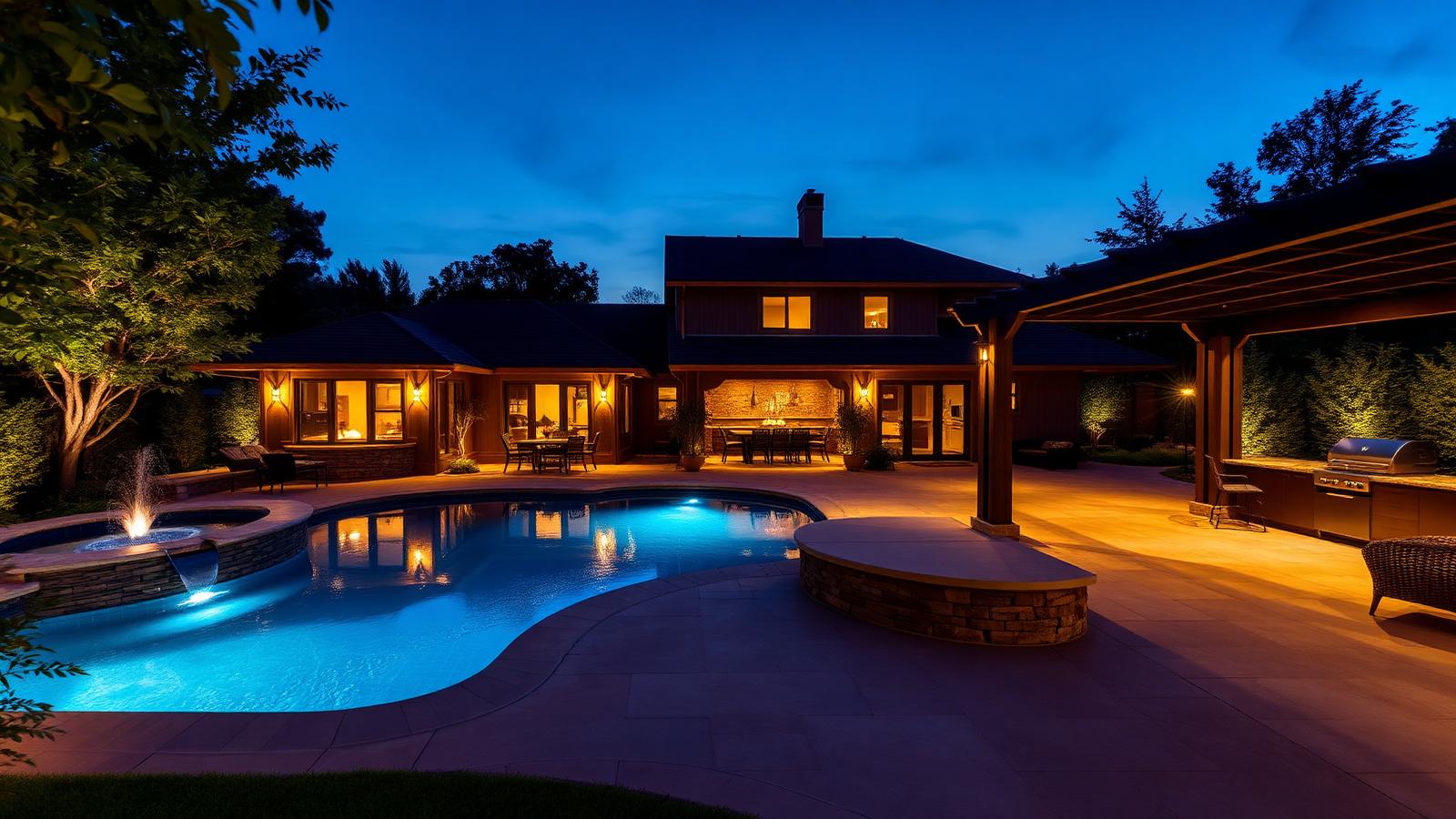
The order of work that separates a garden that lasts from one rebuilt in three years — plans, levels, drainage, services, hard landscaping, then planting and lighting.
Almost every disappointing garden was built in the wrong order. Paving goes down before drainage is solved, planting goes in before the levels are final, the outdoor kitchen is positioned before anyone works out where the gas, water and power will come from, and three years later half of it is dug up again. A dream garden is mostly a sequencing problem.
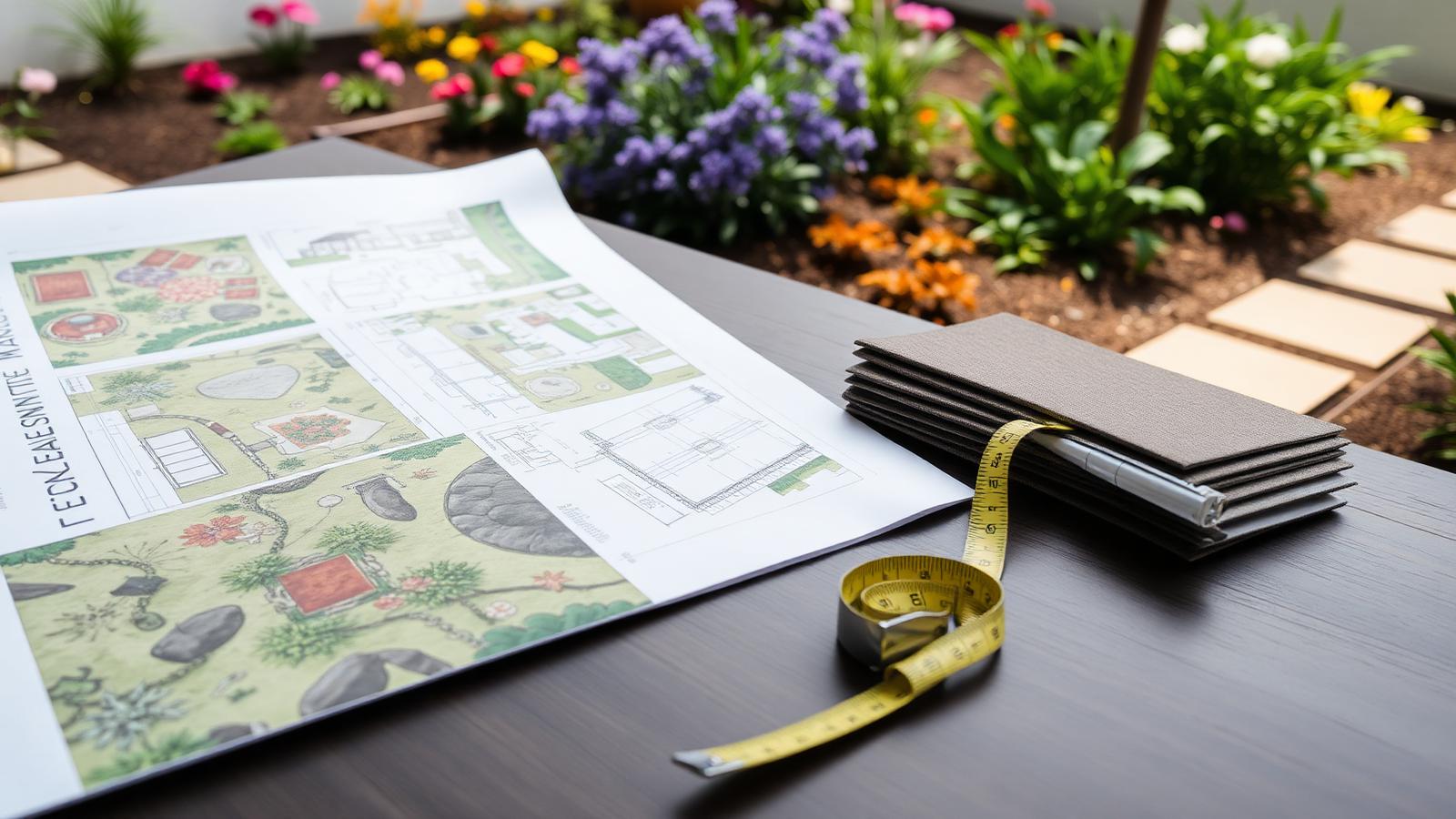
Begin with a measured plan of the whole property, even if the work will be staged over a decade. Mark boundaries, the house footprint, doors and windows, existing trees, the fall of the land, the path of the sun in summer and winter, prevailing wind, and where you look from the rooms you use most. Every good decision that follows comes from this drawing, and it costs nothing but an afternoon.
Settle finished levels and drainage next. Decide the height of every terrace, step and lawn against the finished floor level of the house, then work out where water goes in a downpour — surface falls away from the building, subsoil drains behind every retaining wall, pits and pipes sized for the roof and paved area. This is invisible work that determines whether the garden survives.
Then run the services while the ground is still open. Conduits for lighting, irrigation mains and valves, water and gas to the outdoor kitchen and the future pool, power and data to the studio, a spare conduit under every path and paved area for whatever comes later. The single spare conduit is the cheapest insurance in landscaping.
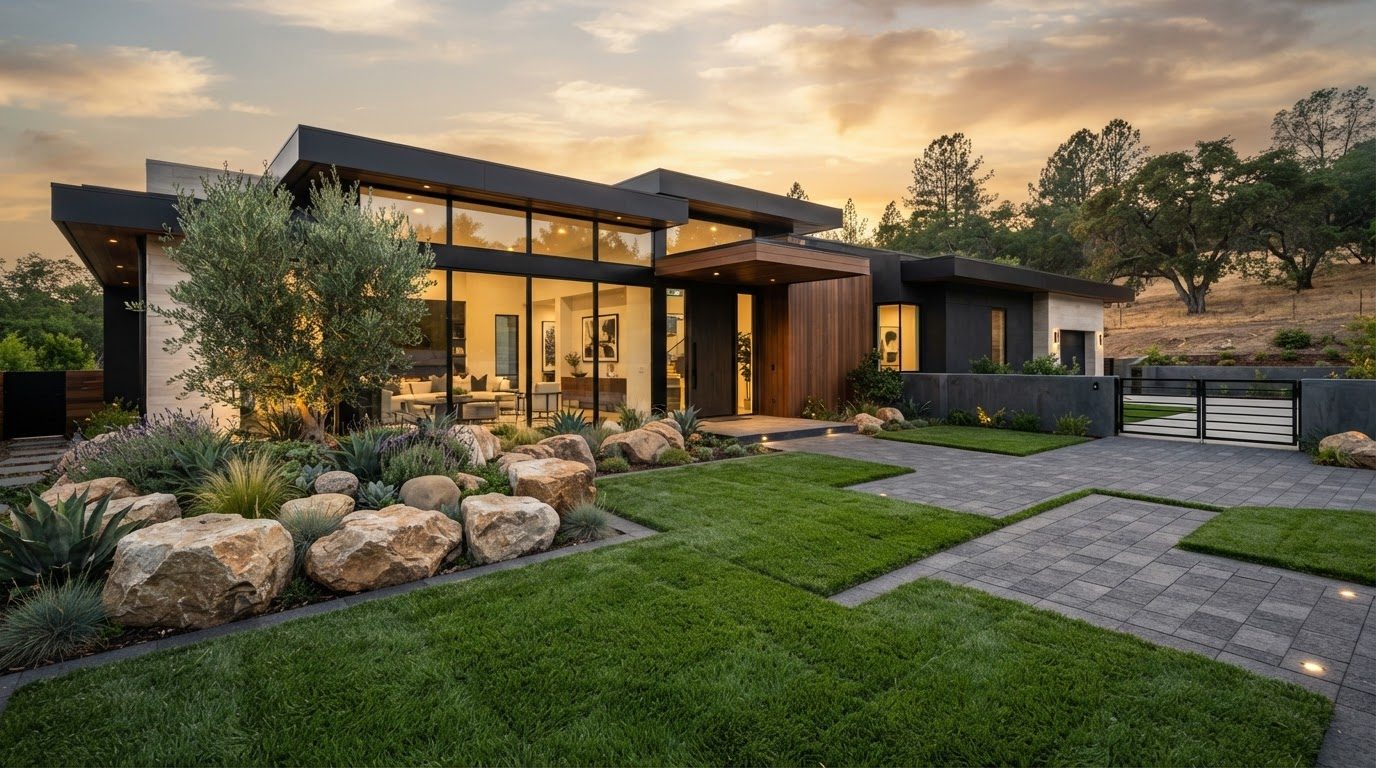
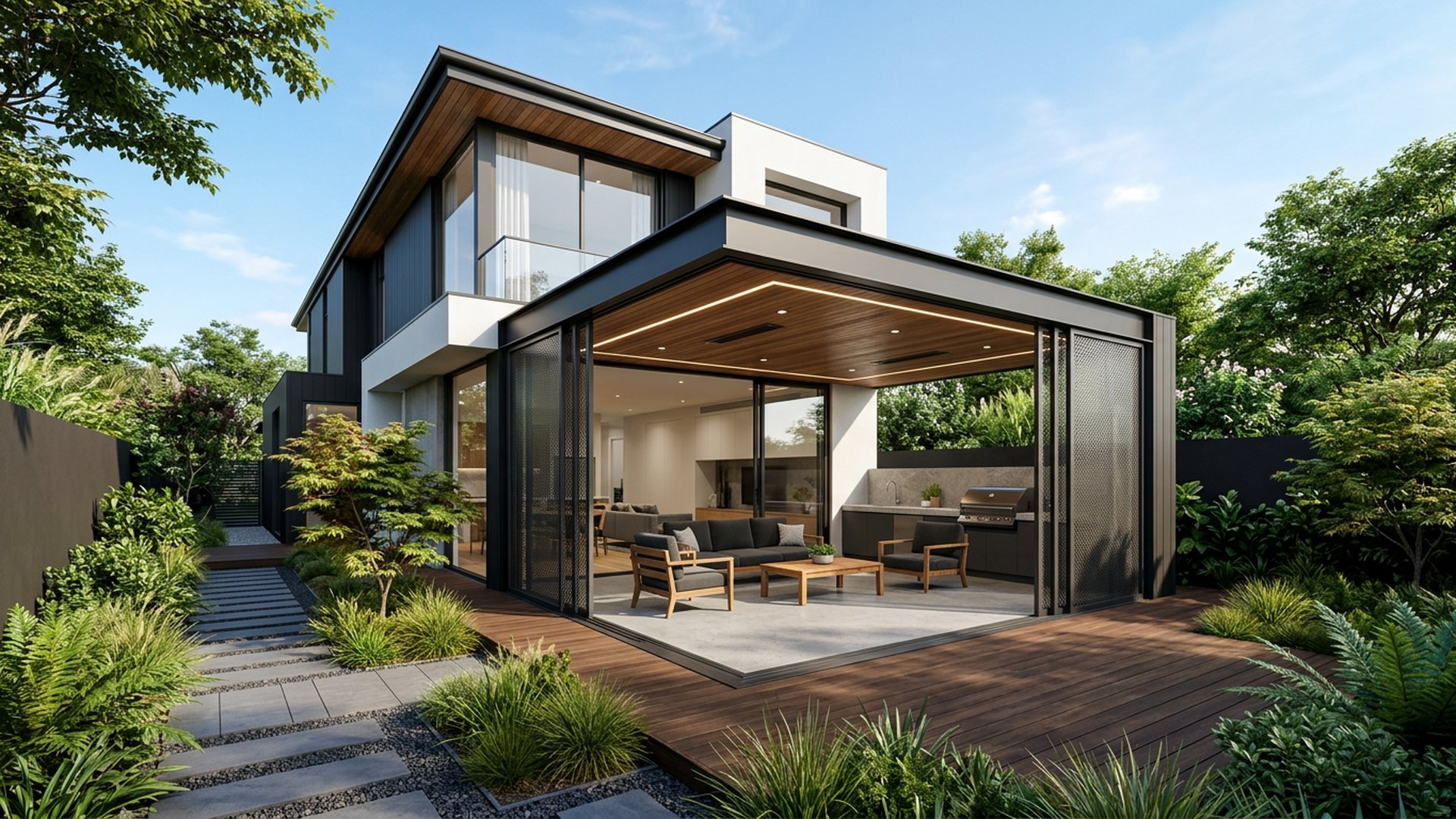
Hard landscaping follows: retaining walls, paving, steps, decks, pergola footings and the pool shell. Build these to last, because they are the elements you cannot easily change, and they set the geometry that planting will fill. Choose fewer materials than you think you need — one paving stone, one timber, one metal finish, repeated everywhere — and the garden will look considered rather than assembled.
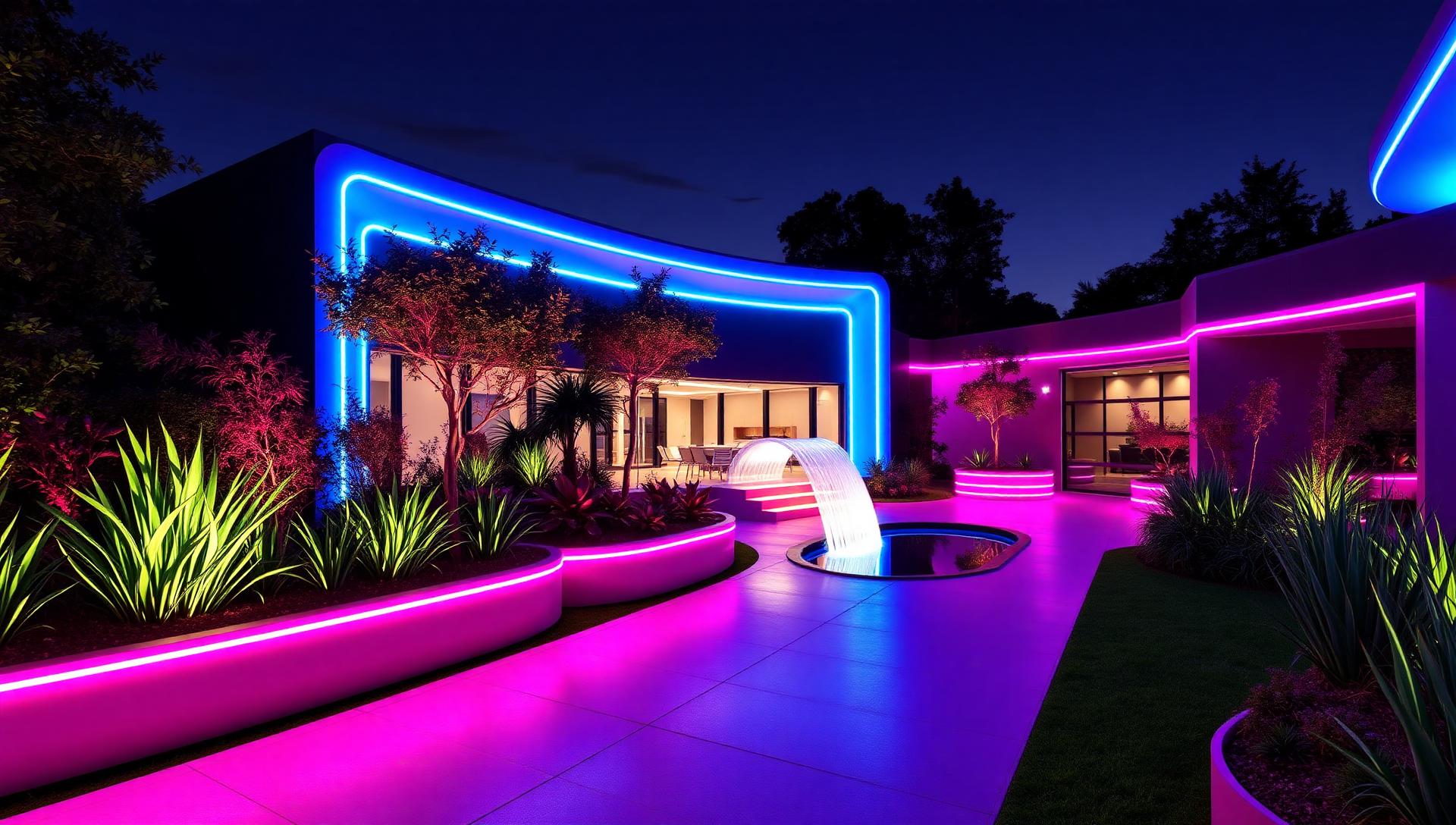
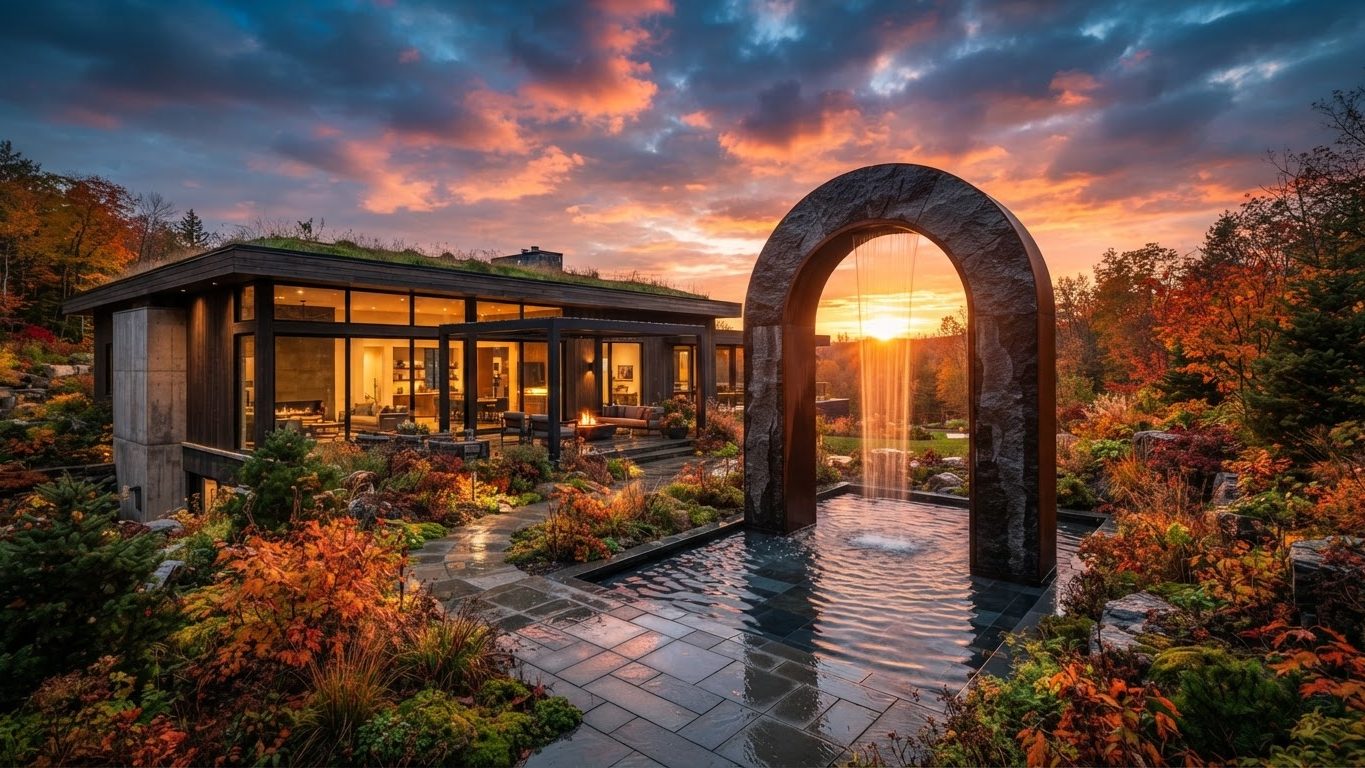
Planting and finishing come last, and in that order: structural trees for shade and screening, then hedges and shrub blocks, then the perennial and grass layer, then mulch. Lighting, furniture, the outdoor kitchen and the fire element complete it. Build every stage against the same master plan and a garden constructed over ten years will look as though it was finished in one season — which is precisely the outcome the plan exists to produce.