Home Design Photos

House Design Photos is a HUGE Library Gallery and Directory of Home Design Photos

This Website Features a Massive Display of New House Design Ideas and Amazing Garden Landscape Design Photos.

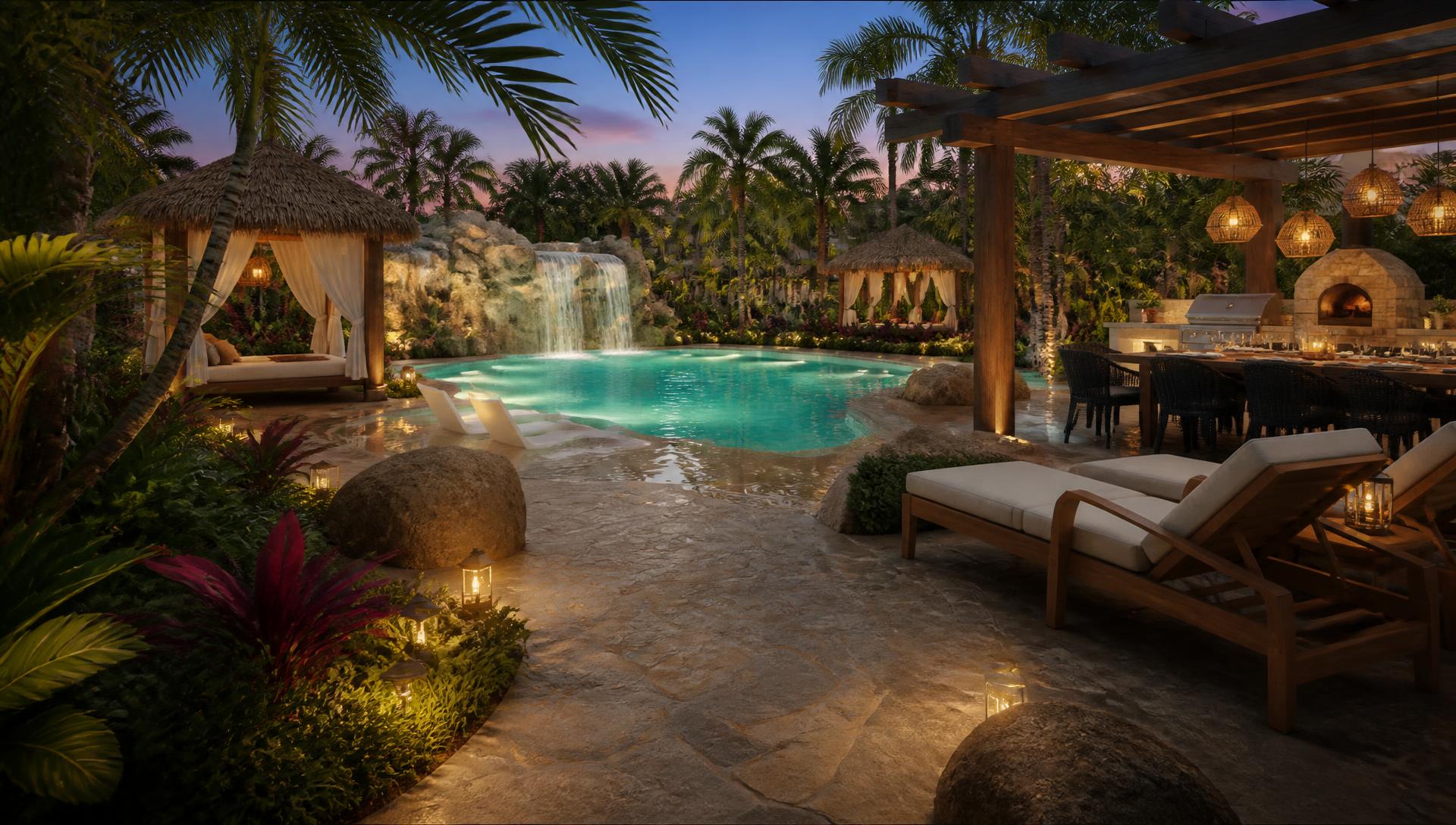
Outdoor Kitchen and BBQ Entertaining Area Design Ideas and Photos feature article Bench heights, work triangles, services, shade and materials. this image created by www.homedesign-photos.com
Featured article · Outdoor Living

Outdoor Kitchen and BBQ Entertaining Area Design Ideas and Photos

Bench heights, work triangles, services, shade and materials that survive weather — the practical guide to an outdoor kitchen you use all year. The difference between an outdoor kitchen that gets used every weekend and one that becomes an expensive shelf is the amount of bench beside the grill. Cooks need landing space on both sides — somewhere to put the plate going on and the plate coming off — plus a sink, a bin and a fridge within a step. Draw the work triangle before choosing appliances, and the layout will design itself. Position matters as much as layout. The kitchen should sit close enough to the indoor kitchen to carry things in one trip, be sheltered from prevailing wind so smoke goes up rather than across the table, and face the party rather than the fence so the cook is part of the conversation. A roof over the cooking zone, whether a solid patio, a louvred pergola or a deep eave, is what converts summer only cooking into all year cooking. Materials must handle heat, fat, water and ultraviolet light. Stainless steel or powder coated marine grade aluminium cabinetry, a stone or porcelain benchtop with a generous overhang,...

Read the full article

Full feature article · Modern Homes

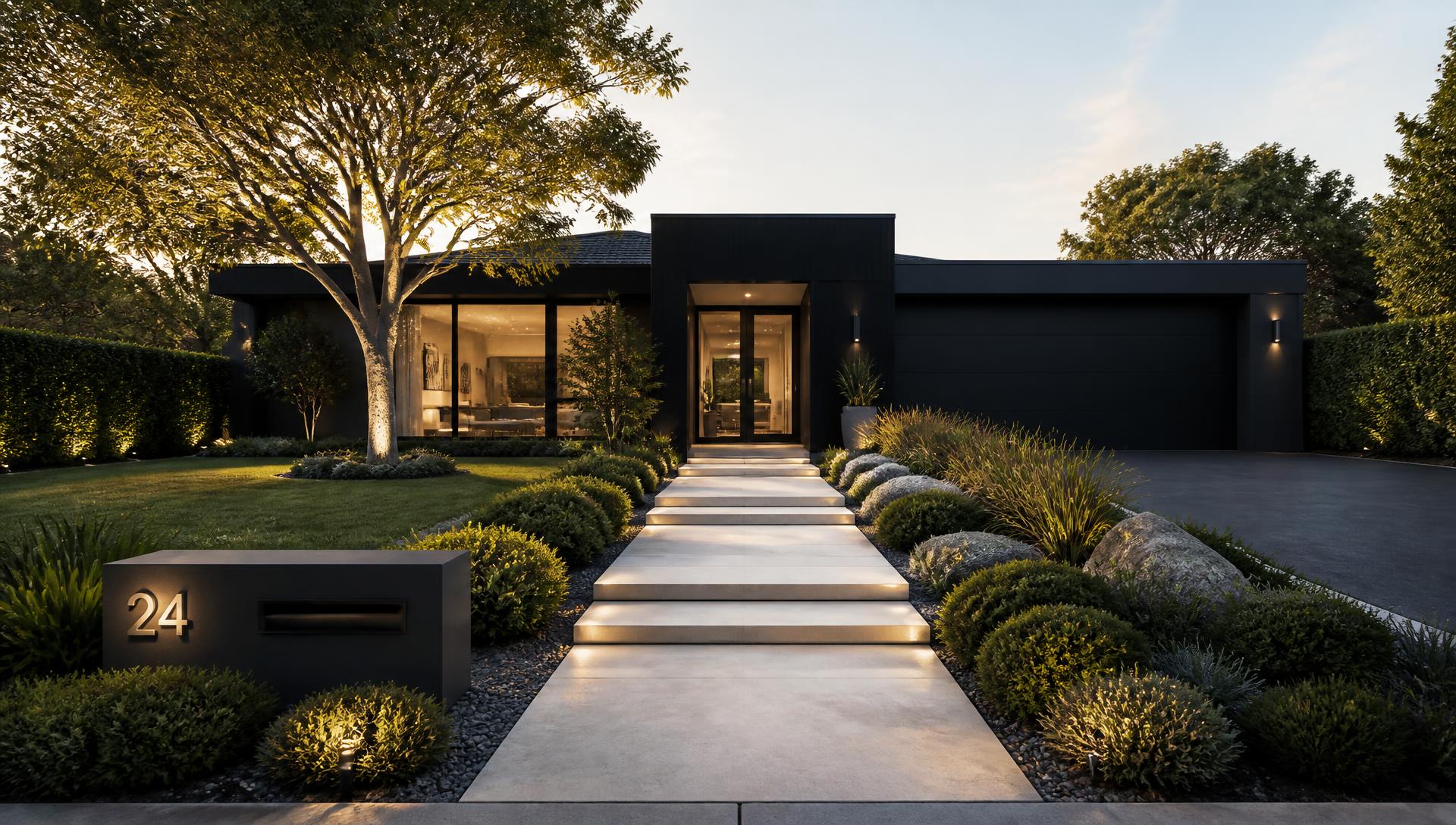
Black and Charcoal Modern Home Exterior Design Ideas and Photos

Dark cladding, charcoal brick and matte black detailing — the moody modern exterior done properly, with the heat and maintenance questions answered.
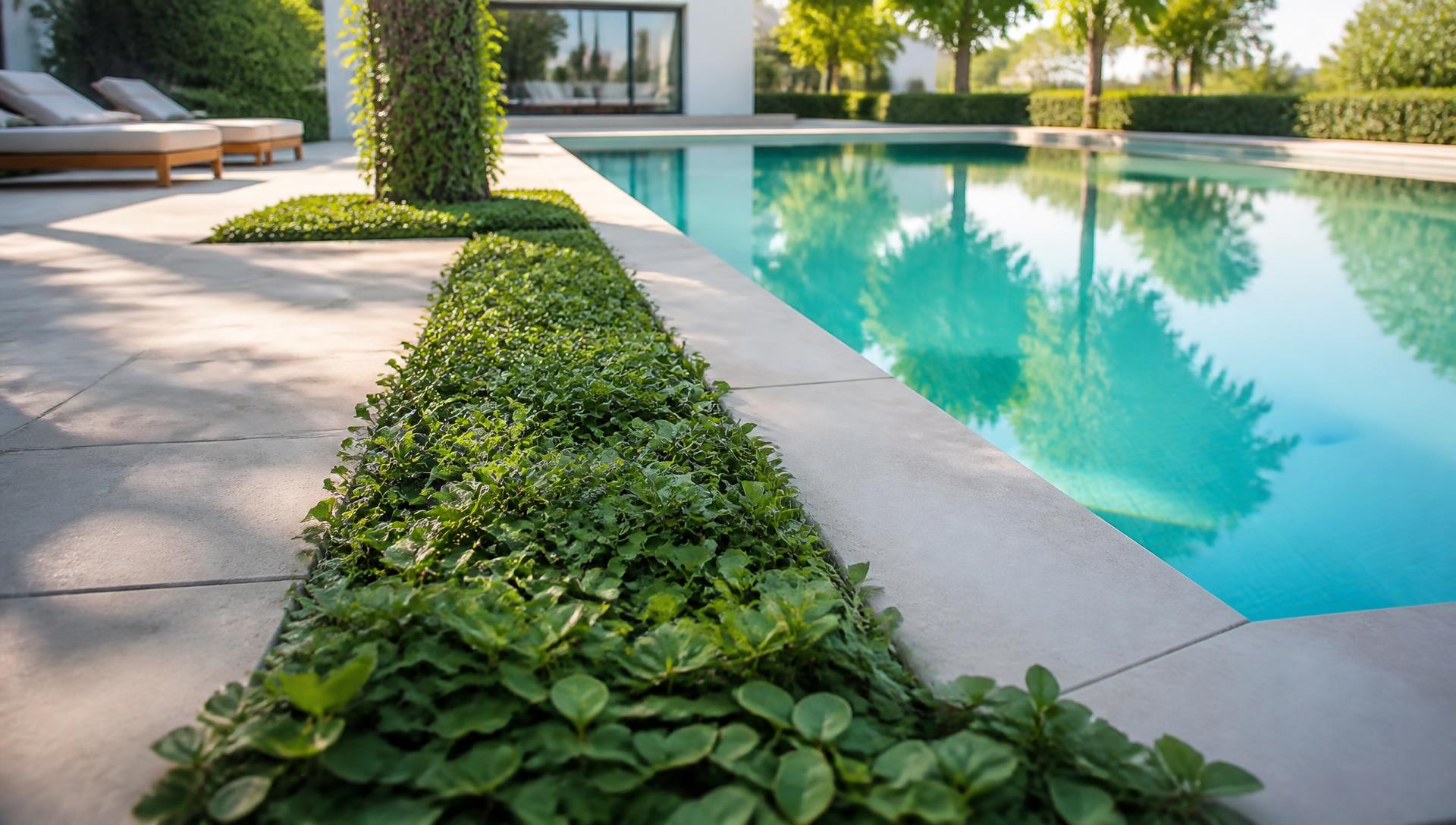
Black and Charcoal Modern Home Exterior Design Ideas and Photos Modern Homes home and garden design photo feature. this image created by www.homedesign-photos.com

A dark house has enormous presence. Charcoal brick, black stained timber, dark standing seam metal and matte black frames absorb light instead of reflecting it, which makes the form of the building read as a single sculptural mass. Against green planting the effect is dramatic, and it is the reason dark homes dominate architectural photography. The trade offs are real though, and every successful dark home has answered them at design stage rather than after the paint dried.

Heat is the first question. Dark surfaces absorb more radiant heat, so insulation, a ventilated cavity behind cladding, a light coloured roof where it cannot be seen, and shading over glass all matter more than they would on a pale house. Get those right and a dark home performs perfectly well; skip them and you have built a heat store. The second question is dust and finish — matte and textured surfaces hide marks, while gloss black shows every fingerprint and water spot.

Contrast makes the style liveable. The dark envelope needs one warm element to stop it feeling severe: a timber entry, a lit soffit, brass or bronze hardware, or a pale stone step. Inside, the palette usually reverses entirely — light floors, white walls, timber joinery — so the house feels bright the moment you cross the threshold. That deliberate flip between dark outside and light inside is the signature of the best examples.
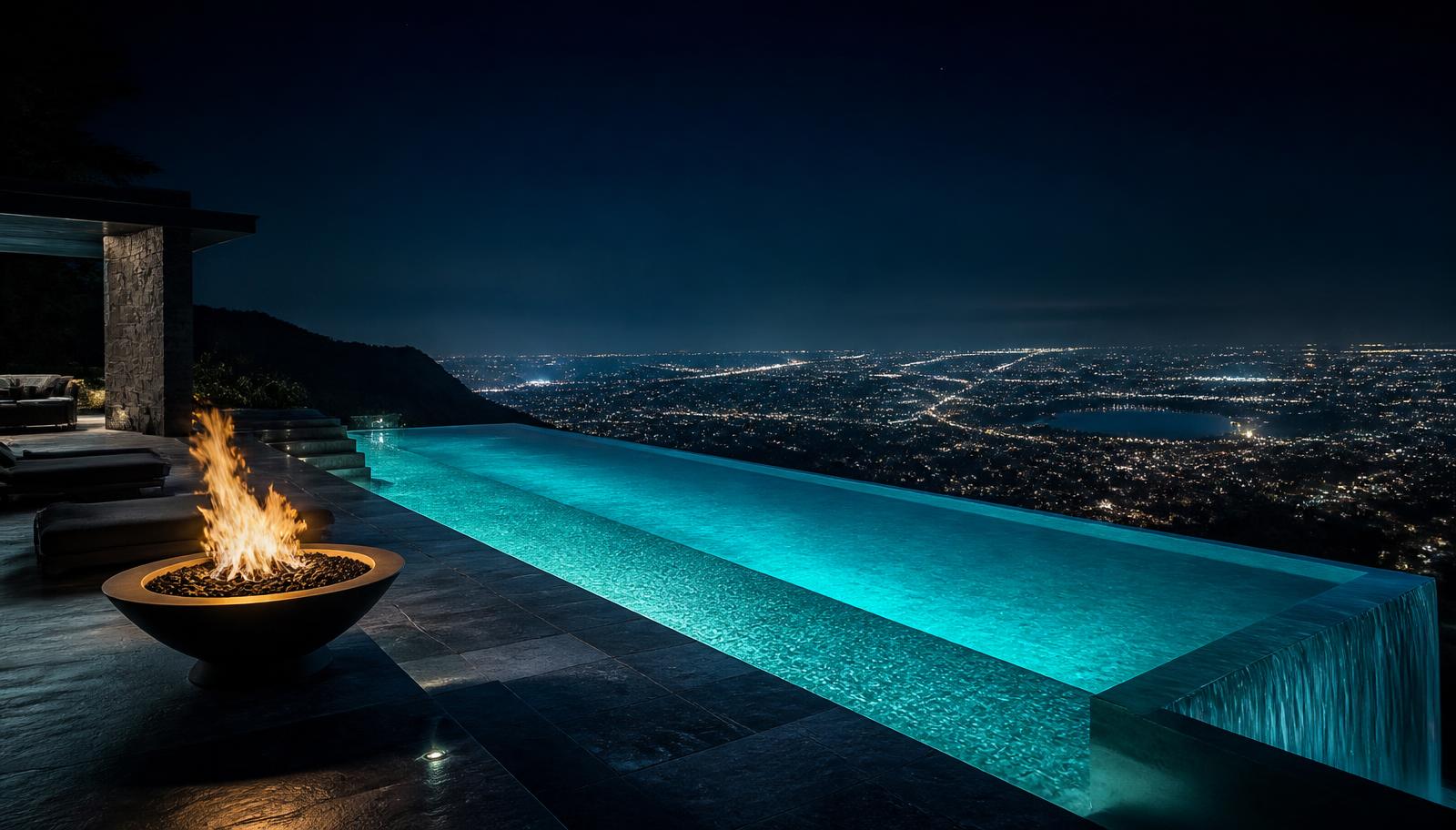
Modern Homes design ideas photo from the Black and Charcoal Modern Home Exterior Design Ideas and Photos feature. this image created by www.homedesign-photos.com

In the garden, dark walls are the perfect backdrop for planting. Silver and lime foliage, ornamental grasses, birch or crepe myrtle trunks and flowering white all pop against charcoal in a way they never do against brick. Pale paving and gravel lift light back up onto the cladding, and lighting should be warm and low, washing up the wall and through foliage rather than flooding the elevation. The result is a home that looks quietly expensive by day and genuinely cinematic at night.
More feature articles

Full feature article · Swimming Pools

Natural Swimming Lagoon and Pond Pool Design Ideas and Photos

Chemical free swimming with planted filtration zones, boulder edges, sand beaches and water that looks like it belongs in the landscape.

Natural Swimming Lagoon and Pond Pool Design Ideas and Photos Swimming Pools home and garden design photo feature. this image created by www.homedesign-photos.com

A natural swimming pool replaces chlorine with biology. Alongside the swimming zone sits a regeneration zone — a shallow planted gravel bed where water is circulated slowly, nutrients are consumed by plants and bacteria, and clarity is maintained without chemicals. The two zones are separated below the waterline so swimmers stay in open water while the planting does the cleaning. Done properly the water is soft, odourless and safe for anyone with sensitive skin.

Sizing is the rule that cannot be broken. The regeneration zone typically needs to be roughly the same area as the swimming zone, which is why these pools suit larger gardens or sites where a section of the garden can become the planted edge of a lagoon. Skimping on the filtration area is the most common cause of green water, and no amount of pump capacity compensates for it.

The look is what draws people in. Irregular boulder edges, gravel or sand entries, timber jetties and decks that cantilever slightly over the water, and planting that runs right to the waterline — reeds, iris, water lilies and marginals — so the pool reads as a spring fed pond rather than a swimming pool. A black or dark grey liner or interior deepens reflection and hides the transition between construction and landscape.

Swimming Pools design ideas photo from the Natural Swimming Lagoon and Pond Pool Design Ideas and Photos feature. this image created by www.homedesign-photos.com

Living with one is different rather than harder. Water temperature follows the season, the planting changes through the year, and there is seasonal maintenance — cutting back marginals, clearing leaf litter, checking the circulation. In exchange you get wildlife, no chemical smell, low running costs and a body of water that looks beautiful in winter when a conventional pool sits under a cover. For garden lovers it is often the most rewarding water they ever build.