Home Design Photos

House Design Photos is a HUGE Library Gallery and Directory of Home Design Photos

This Website Features a Massive Display of New House Design Ideas and Amazing Garden Landscape Design Photos.

Timber Pergola Design Ideas with Climbing Plants and Photos feature article Wisteria, grape and star jasmine over heavy timber how. this image created by www.homedesign-photos.com
Featured article · Pergolas & Patios

Timber Pergola Design Ideas with Climbing Plants and Photos

Wisteria, grape and star jasmine over heavy timber — how to build a pergola with the proportions and support a mature climber deserves. A timber pergola with a mature climber over it produces a quality of shade nothing manufactured can match: dappled, moving, cool, and completely different in each season. Deciduous climbers such as wisteria and ornamental grape give dense summer cover then drop their leaves to let winter sun through, which makes them the most intelligent shading device available on a north or west facing terrace. The structure must be built for the plant, not just for the roof. A mature wisteria is heavy and its stems thicken enormously over decades, so posts should be generous, beams deep, and rafters spaced to give the plant something to grip without needing constant tying. Set posts on galvanised or stainless shoes above the paving, use hot dip galvanised bolts and plates rather than nails, and give the whole frame a proper oil finish before the plant covers it, because you will never coat it properly again. Proportion is what makes these structures look right. Height of at least 2.4 metres clear under the beams, posts substantial enough to look structural rather...

Read the full article

Full feature article · Weekly Feature

Garden Design Photos of the Week — 9 September 2026

This week's automatically published photo feature — garden design photos of the week with a close look at planting layers, structure and seasonal colour, plus the design decisions behind each visual.
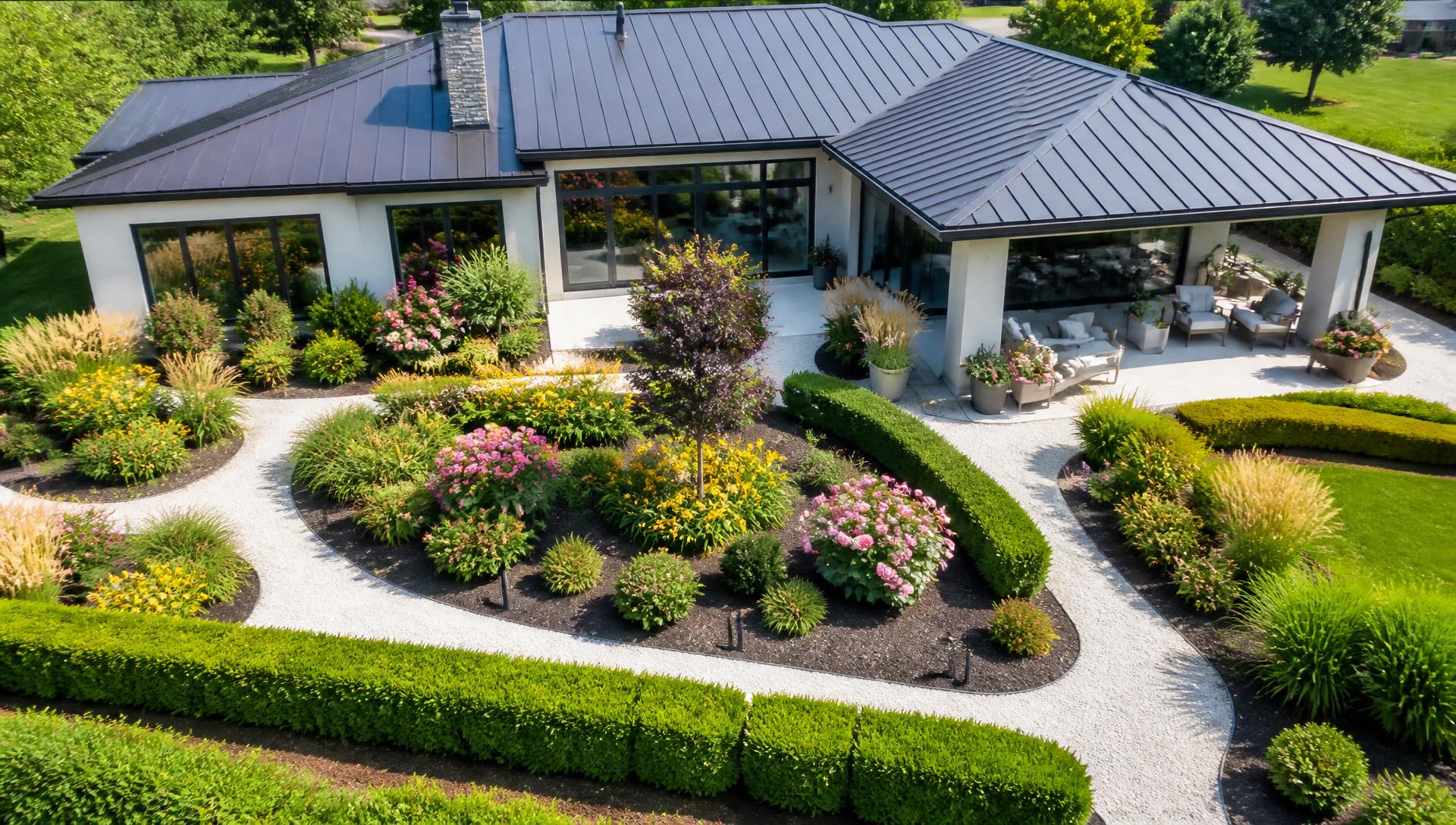
Garden Design Photos of the Week 9 September 2026 Weekly Feature home and garden design photo feature. this image created by www.homedesign-photos.com

Every design in this week's feature was chosen because it solves an ordinary problem well. None of them rely on an unusual budget or a spectacular site. They rely on orientation, restraint in the material palette, and a plan that gives every part of the property a clear purpose instead of leaving space over.

This week the focus is planting layers, structure and seasonal colour. Planting layers, flower borders, formal parterres, productive beds and full garden schemes. The eight visuals selected below all come from that part of the library, and each one has been chosen because it shows a different answer to the same design question rather than eight versions of one idea.

The designs featured this week are: Resort-Style Garden Design with Rustic Timber Sleepers and Quiet Seating Nook and Central Garden; Designed Garden Landscape with Crushed Granite Paths and Garden Dining Terrace and Curved Lawn; Layered Residential Garden Design with Reclaimed Brick Edging and Potting Bench, Compost Zone; Layered Residential Garden Design with Reclaimed Brick Edging and Potting Bench, Compost Zone; Productive Family Garden Design with Bluestone Stepping Pads and Sculpture Court, Reflection Pond; Resort-Style Garden Design with Rustic Timber Sleepers and Quiet Seating Nook and Central Garden; Productive Family Garden Design with Bluestone Stepping Pads and Sculpture Court, Reflection Pond; Layered Residential Garden Design with Reclaimed Brick Edging and Potting Bench, Compost Zone. Read them as a set — the useful comparison is not which one is prettiest, it is which layout suits the shape of your block, the direction your living areas face, and the way your household actually uses the space outside the back door.
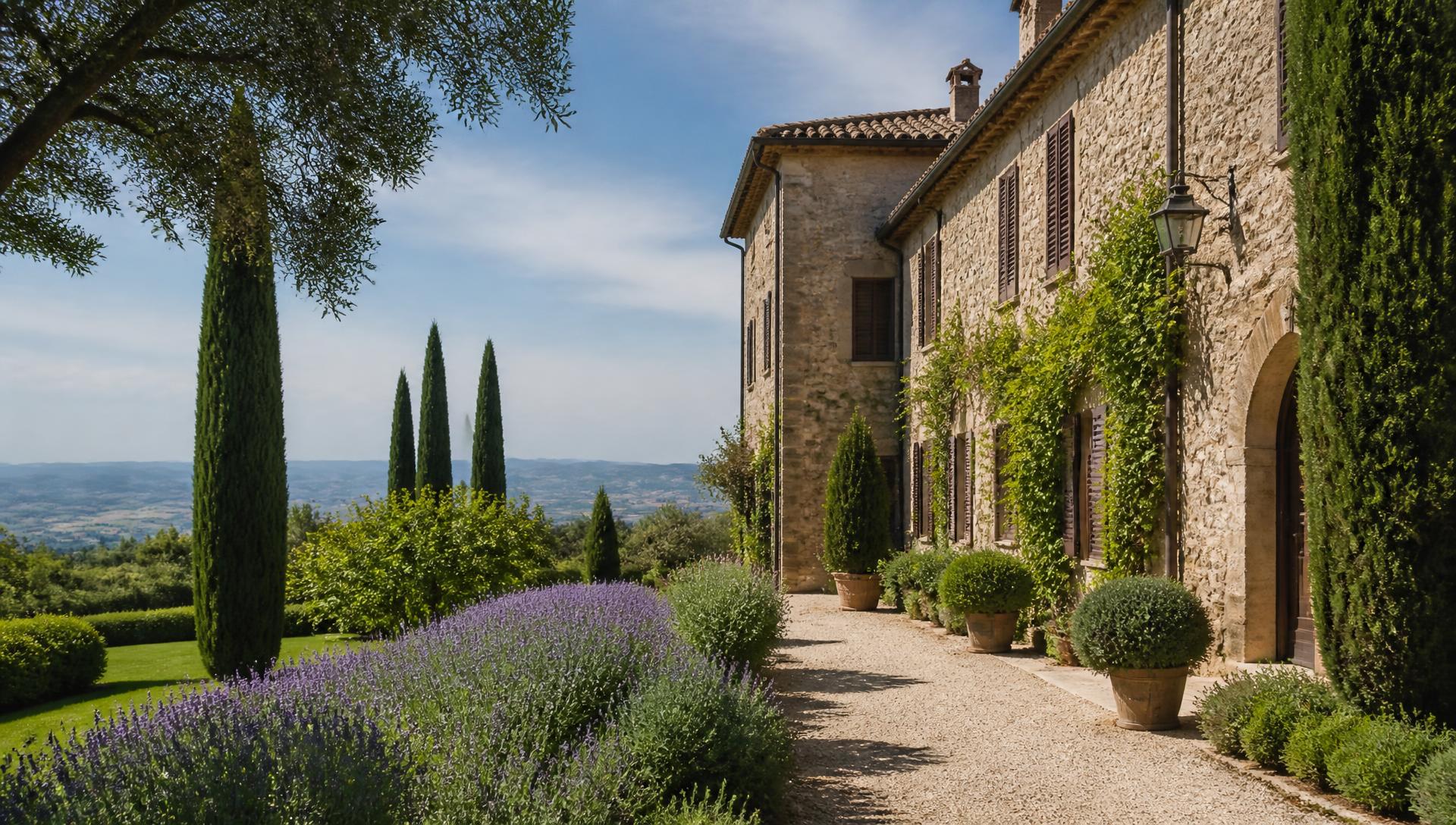
Weekly Feature design ideas photo from the Garden Design Photos of the Week 9 September 2026 feature. this image created by www.homedesign-photos.com

Reduce the material palette until it feels almost too simple. One paving stone, one timber, one metal finish and one render colour, repeated everywhere, will always look more expensive than five materials competing. Where variety is needed, change the format or the direction of the same material rather than introducing a new one.

Plant in layers and repeat. A canopy tree for shade and scale, a mid layer for screening and flower, a groundcover layer to shade the soil, and a grass layer for movement — with only a handful of species massed in generous drifts. Repetition is what makes planting read as design rather than as a collection.

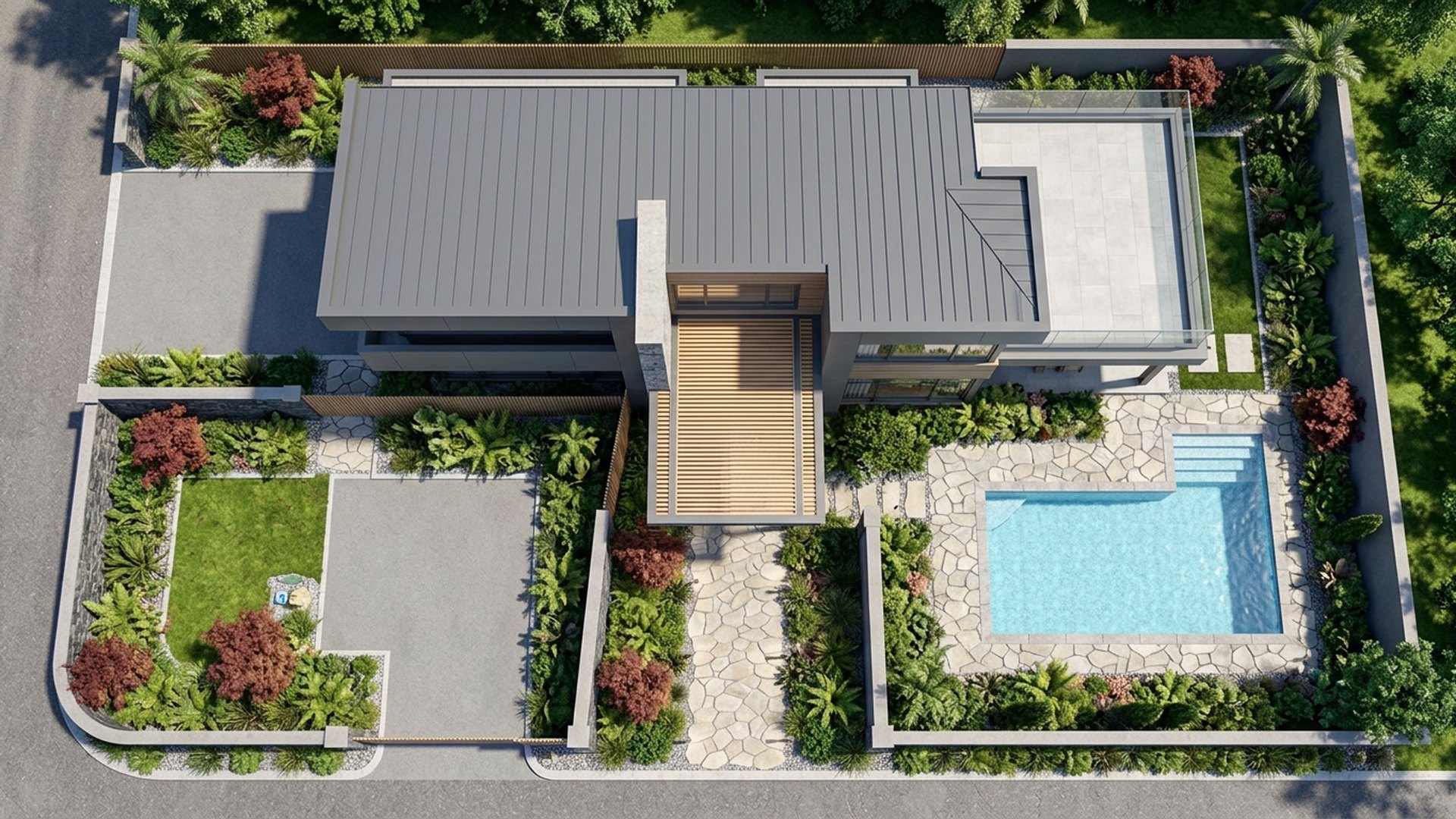
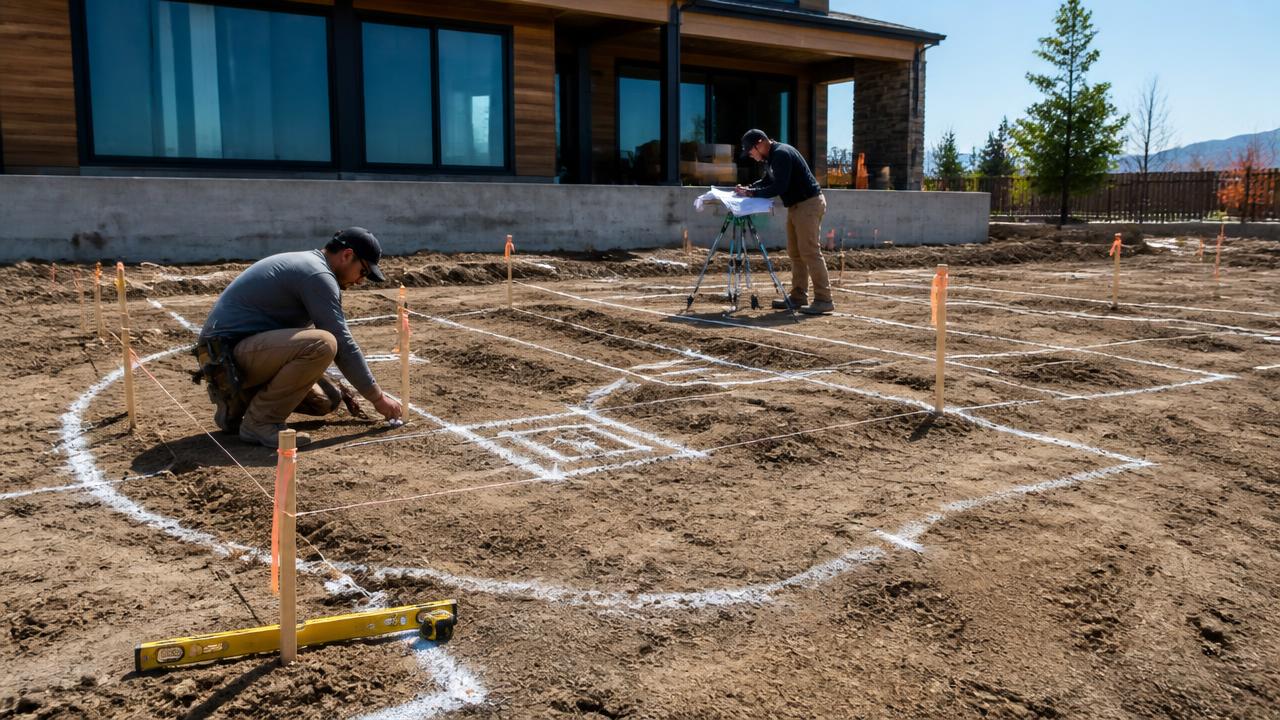
Start with the plan rather than the products. Mark boundaries, the house footprint, doors and windows, existing trees, the fall of the land, the summer and winter sun path, and the views out of the rooms you use most. Almost every good decision that follows comes from that one drawing, and almost every expensive mistake comes from skipping it.

The next weekly feature arrives on Wednesday with a new theme and a new set of design visuals, so the library continues to grow week by week. Every image on this site was created for Home Design Photos and can be viewed full size in the complete image catalogue.
More feature articles

Full feature article · Garden Lighting

Garden Lighting Design Ideas and Night Time Garden Photos

The layers, colour temperatures and hidden fittings that turn a garden into a night time room — and the mistakes that make it look like a car park.

Garden Lighting Design Ideas and Night Time Garden Photos Garden Lighting home and garden design photo feature. this image created by www.homedesign-photos.com

Garden lighting is the cheapest way to double the value of a garden, because it creates a second garden that only exists after dark. The principle that separates good schemes from bad is simple and absolute: light the object, never the viewer. If you can see the lamp, the fitting is in the wrong place. Every fixture should be hidden in planting, buried in gravel, recessed into a step or concealed behind a lip.

Work in layers rather than fittings. A low path layer for safe movement, an accent layer washing up tree trunks and grazing textured walls, a functional layer over the barbecue and dining table, and a feature layer inside water or under a canopy. Aim for pools of light with darkness between them; a garden lit evenly is a garden with no atmosphere at all. Three quarters of the garden should stay dark.

Colour temperature and control finish the job. Warm white around 2700 kelvin flatters skin, timber, stone and green foliage; cooler light makes planting look grey and makes a terrace feel commercial. Put everything on scenes rather than one switch — arrival, dining, swimming, late evening — and dim the whole system so the garden can be quiet as well as dramatic. Motion sensing belongs on the side path, not on the terrace.

Garden Lighting design ideas photo from the Garden Lighting Design Ideas and Night Time Garden Photos feature. this image created by www.homedesign-photos.com

Quality and installation determine how long it lasts. Marine grade stainless or solid brass fittings in coastal areas, IP rated connections in proper junction boxes, low voltage runs sized for the cable length, and conduits under every path so fittings can be added later. Aim the lights at night with the planting in place, adjust after the first month, and revisit each spring as the garden grows — lighting is the one part of a garden that always needs tuning.