Full feature article · Mediterranean Style
Mediterranean Villa Home and Garden Design Ideas and Photos
Lime render, terracotta, olive trees and gravel courtyards — the warm, shaded, waterwise style that suits hot dry climates better than any other.
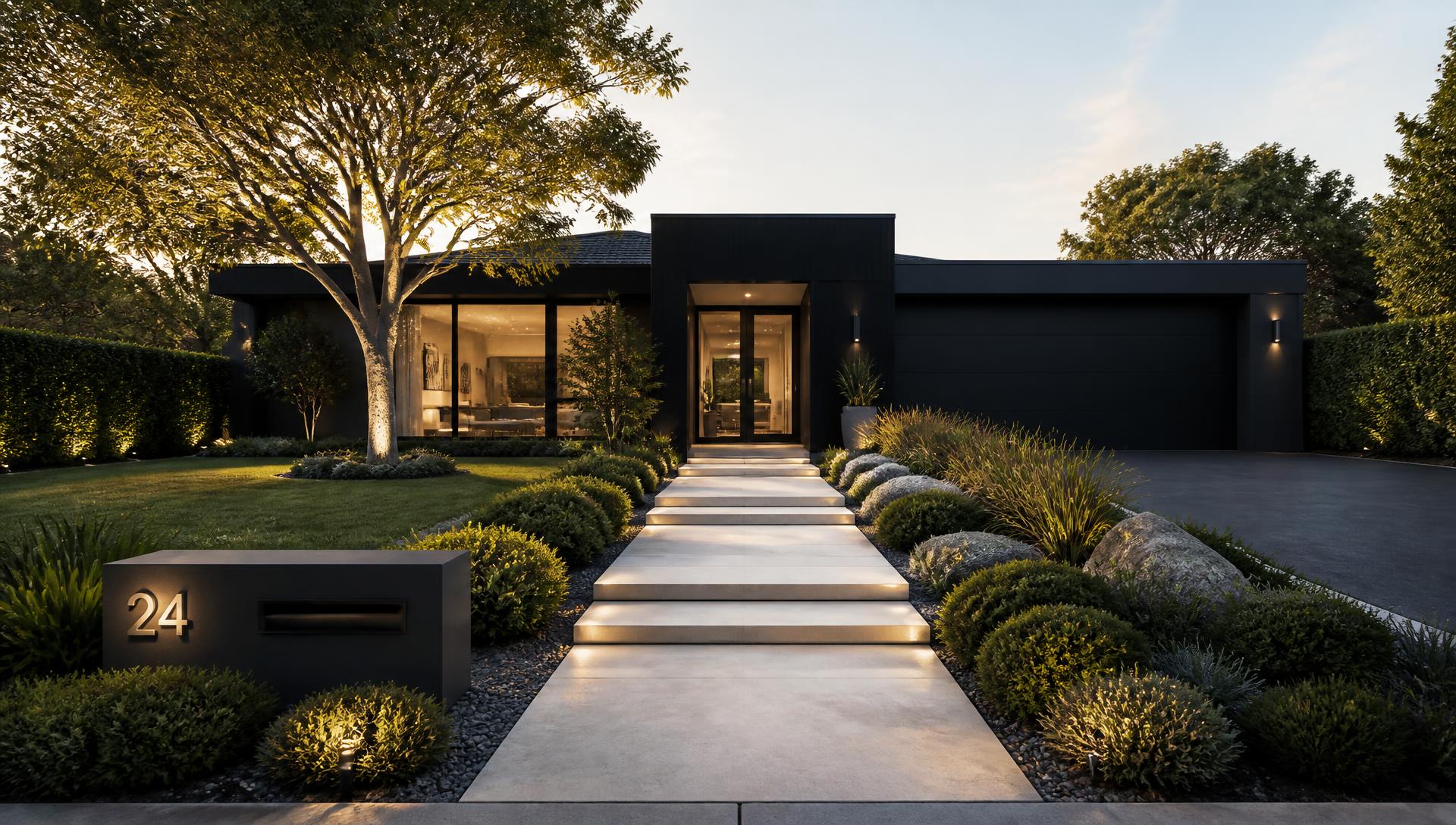
Mediterranean design is a climate response that happens to be beautiful. Thick walls and small openings on the hot side, deep loggias and pergolas for shade, pale lime washed render to reflect heat, courtyards that trap cool air, terracotta and stone underfoot, and planting that survives long dry summers. Every element earns its place practically, which is why the style still looks right after centuries.
The materials are unpolished and generous. Textured lime or sand finish render rather than flat acrylic, terracotta or clay tile roofs, stone thresholds and window surrounds, chunky timber lintels and shutters, wrought or blackened metal for gates and rails, and floors in terracotta, travertine or tumbled limestone. Imperfection is part of the language, so avoid dead flat surfaces and machine perfect joints — they read as a shopping centre rather than a villa.
Outdoor rooms carry the plan. A shaded loggia along the main elevation doing the work of a hallway, a gravel courtyard with a central tree or fountain, a vine covered pergola over the long table, and a pool positioned as a still rectangle framed by hedging and cypress. Water appears as a wall spout into a trough, or a simple bowl, rather than as a feature demanding attention.
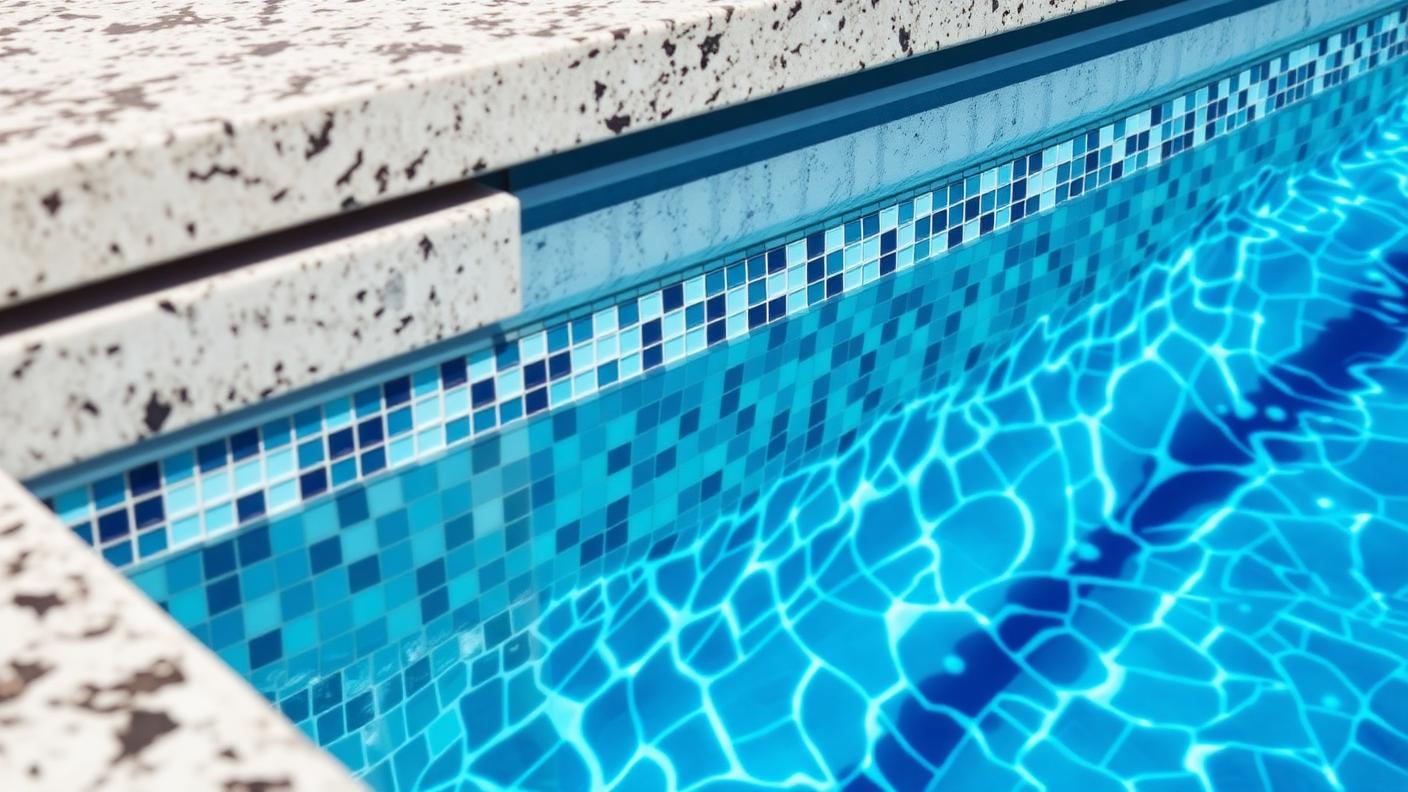
Planting is the most waterwise palette available. Olive, fig, citrus and pomegranate for canopy and fruit; rosemary, lavender, santolina and cistus for structure and scent; grapes and jasmine on the pergola; pots of pelargonium and herbs at every doorway. Gravel mulch, drip irrigation, and a bias toward silver and grey green foliage that looks cool in heat. The result is a garden that peaks in the hottest months, when most other styles are struggling.