
Full feature article · Outdoor Living
Outdoor Kitchen and BBQ Entertaining Area Design Ideas and Photos
Bench heights, work triangles, services, shade and materials that survive weather — the practical guide to an outdoor kitchen you use all year.
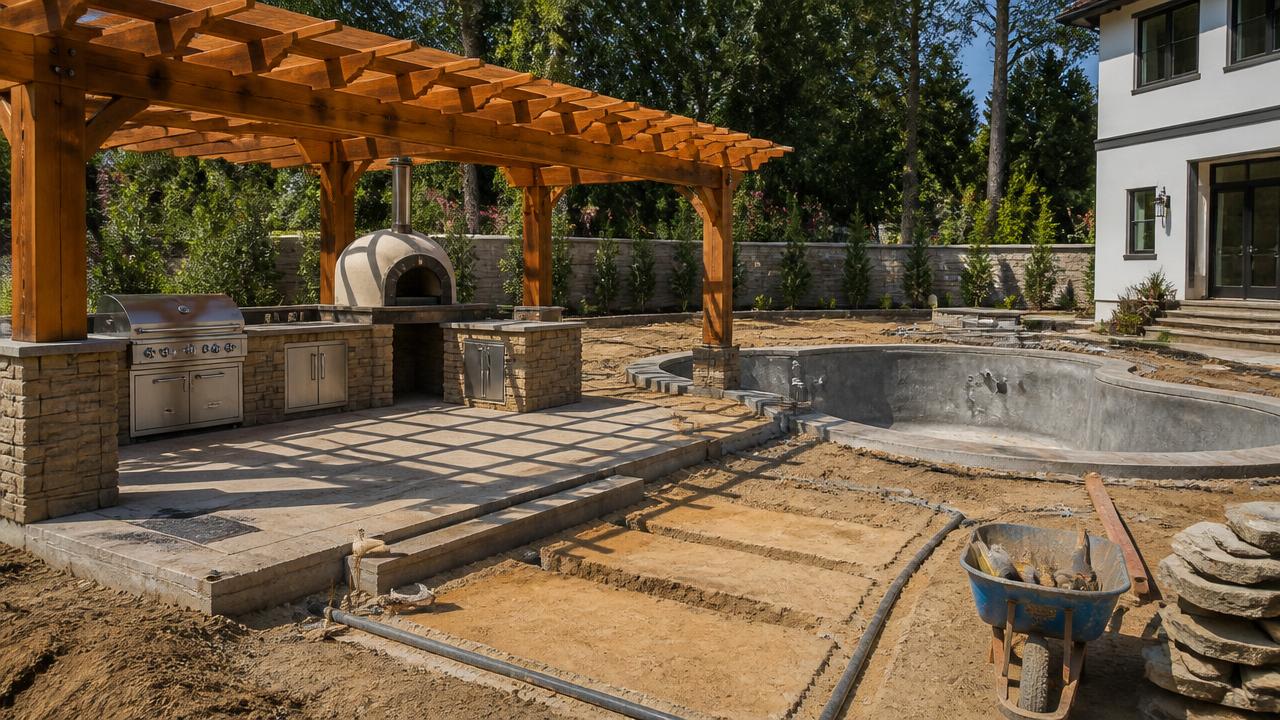
The difference between an outdoor kitchen that gets used every weekend and one that becomes an expensive shelf is the amount of bench beside the grill. Cooks need landing space on both sides — somewhere to put the plate going on and the plate coming off — plus a sink, a bin and a fridge within a step. Draw the work triangle before choosing appliances, and the layout will design itself.
Position matters as much as layout. The kitchen should sit close enough to the indoor kitchen to carry things in one trip, be sheltered from prevailing wind so smoke goes up rather than across the table, and face the party rather than the fence so the cook is part of the conversation. A roof over the cooking zone, whether a solid patio, a louvred pergola or a deep eave, is what converts summer only cooking into all year cooking.
Materials must handle heat, fat, water and ultraviolet light. Stainless steel or powder coated marine grade aluminium cabinetry, a stone or porcelain benchtop with a generous overhang, tiles or sealed concrete underfoot with a fall to drain, and a splashback in something you can wipe. Avoid melamine, untreated timber near the grill and anything porous behind the burners. Ventilation above a covered grill is not optional if the ceiling is lined.
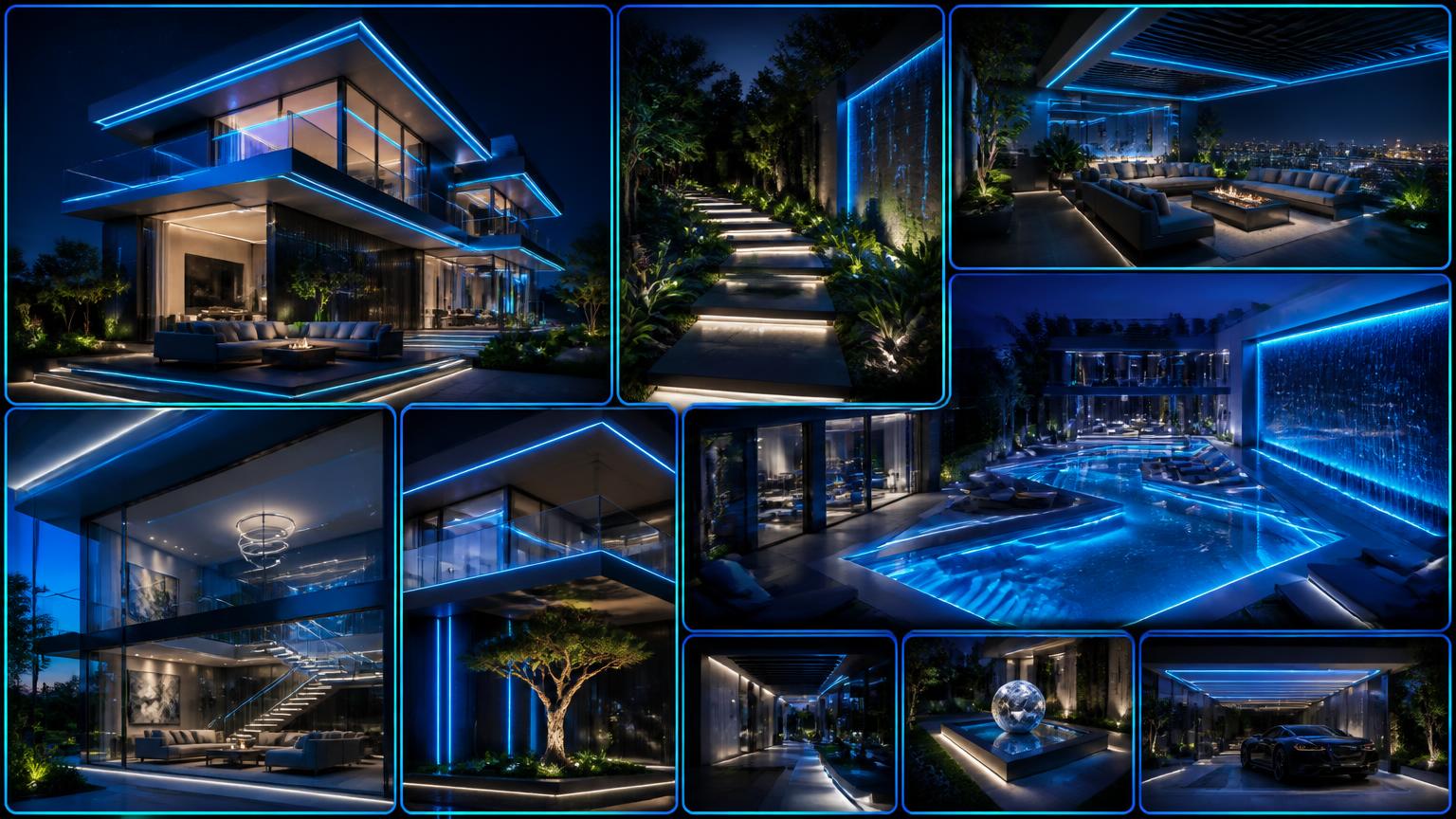
Services are the invisible half of the job. Gas or a hardwired electric grill, water and waste to the sink, power for the fridge and appliances, and lighting split into task light over the bench and soft ambient light over the table. Run conduits for anything you might add later — a pizza oven, a second fridge, speakers, a heater — while the ground is still open. Finish with generous shade, a fan and a long table, and the outdoor kitchen becomes the room that empties the house.