
Collection
Outdoor Furniture
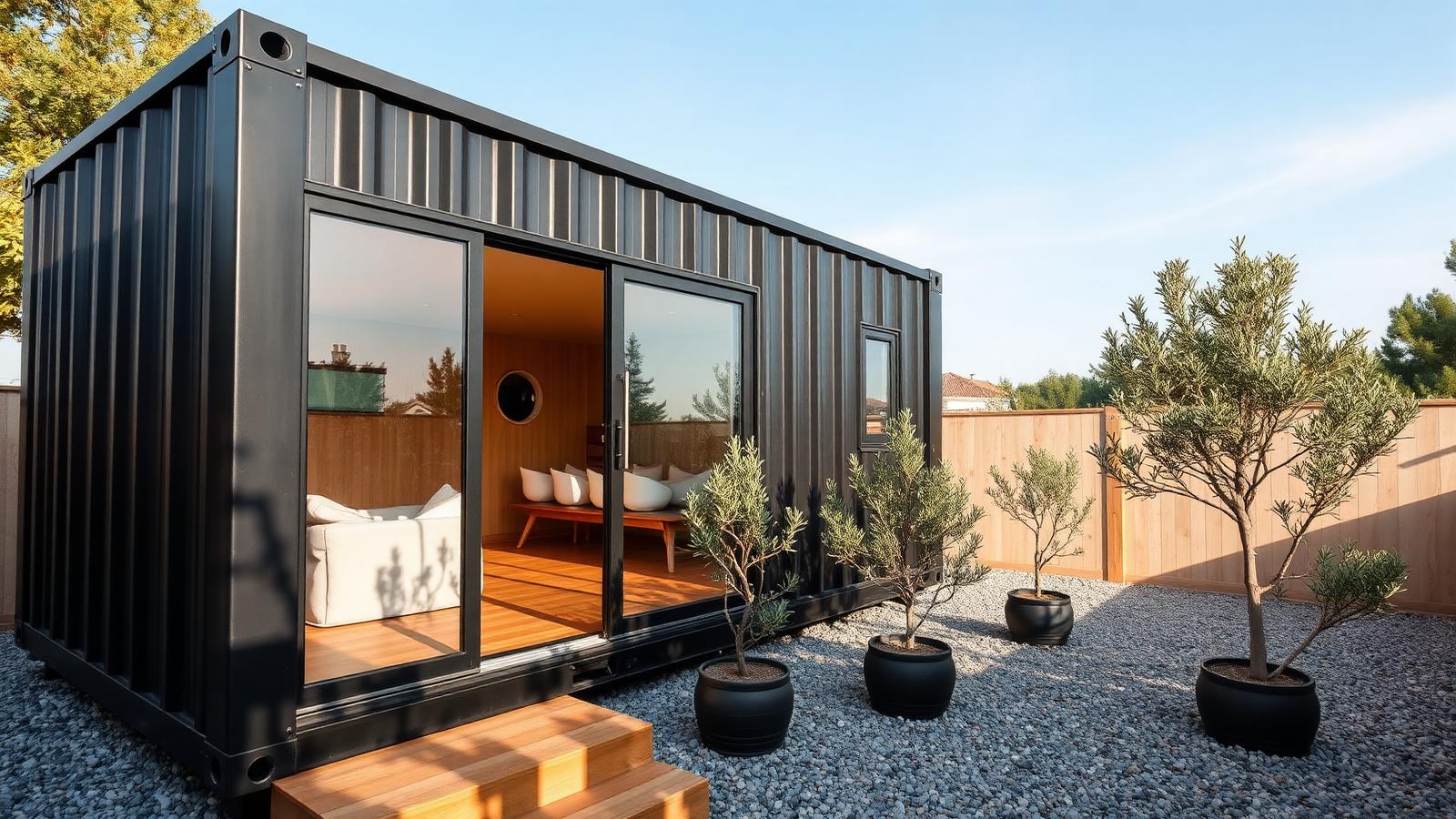
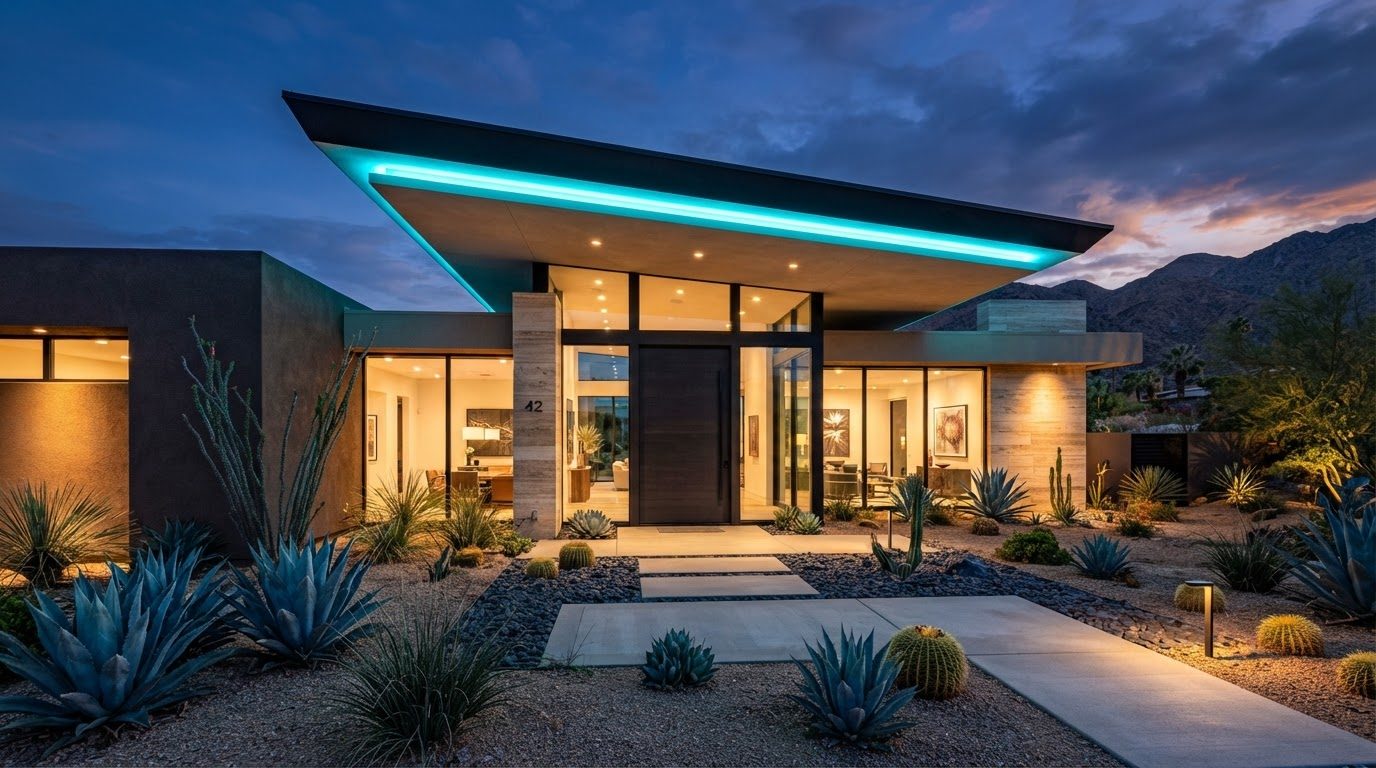
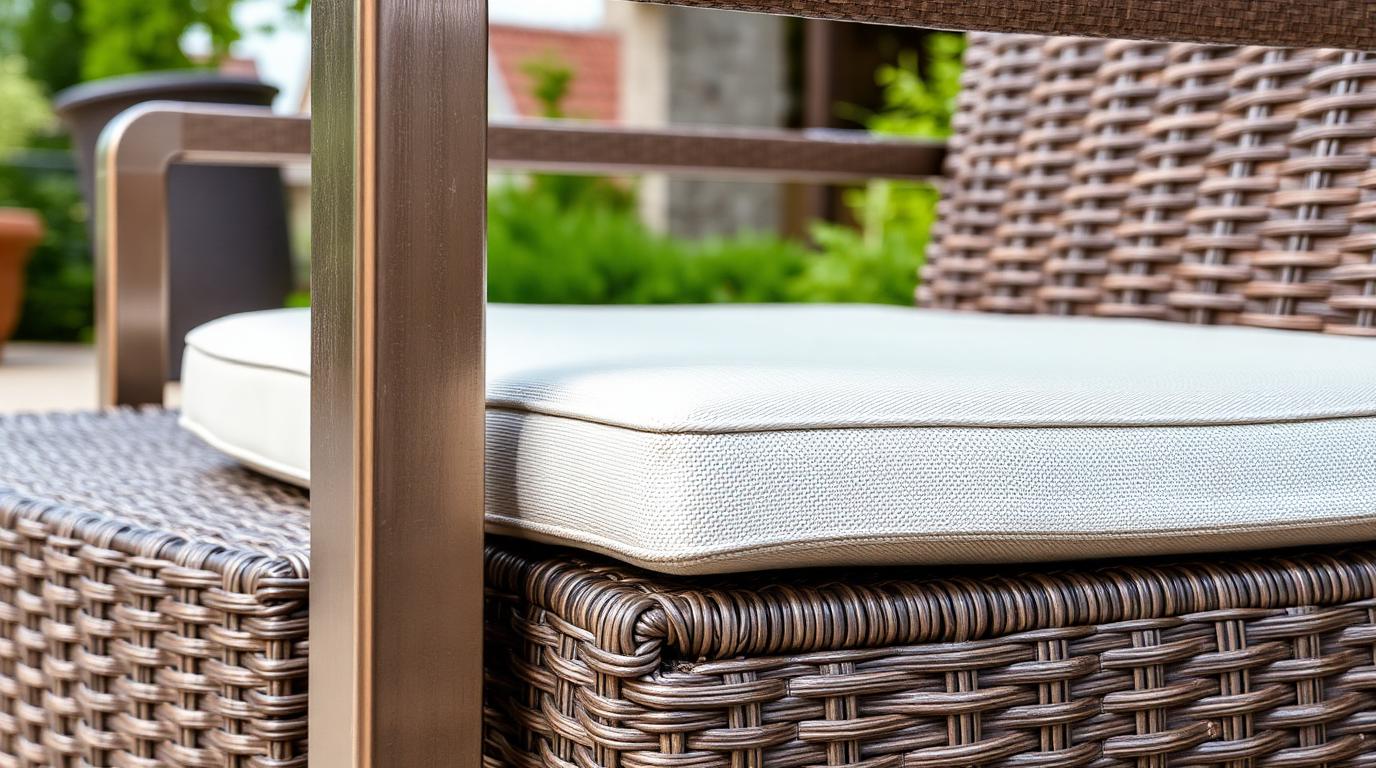
Timber, cane, aluminium and stone settings, dining, lounging and material detail shots. 90 large format widescreen concepts — open any one for the full size visual and design notes.
Choosing
Choosing Cover
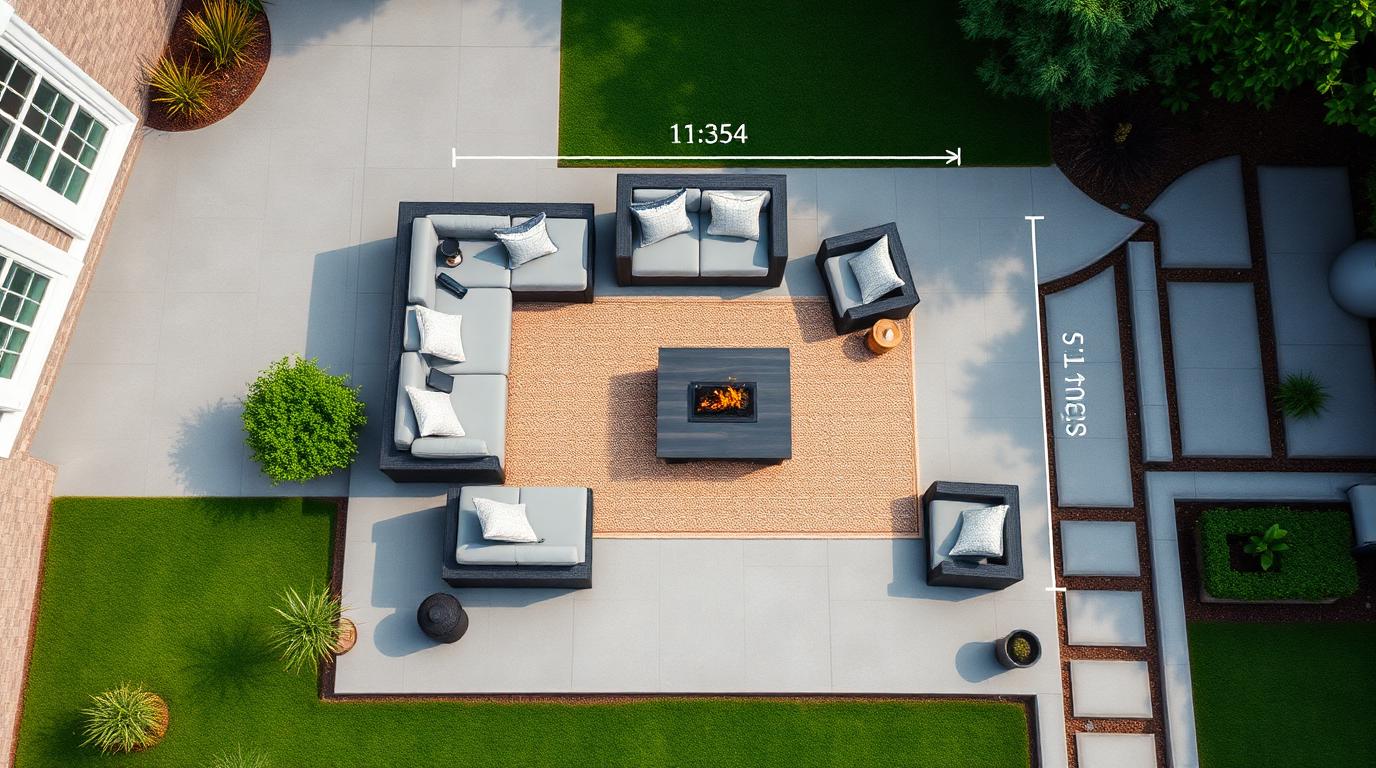
Choosing Size
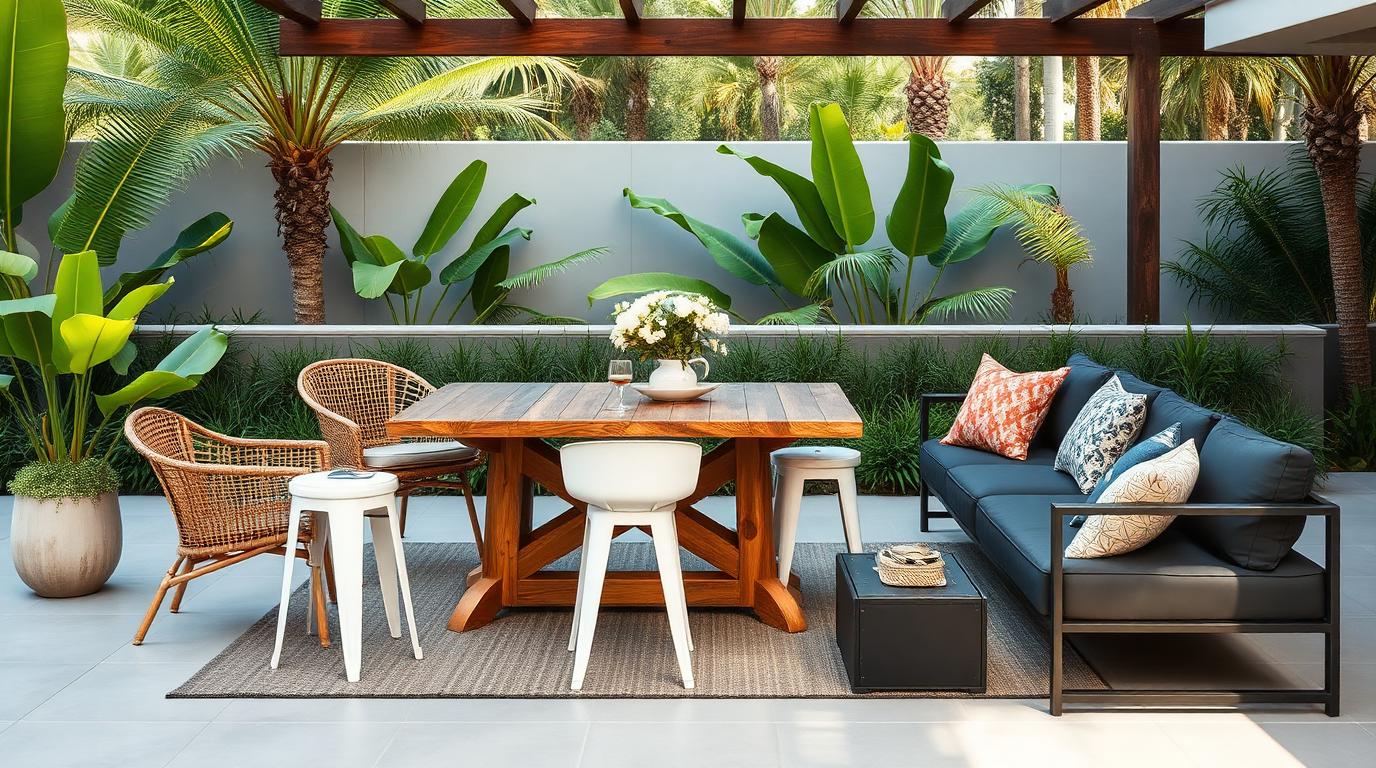
Choosing Theme
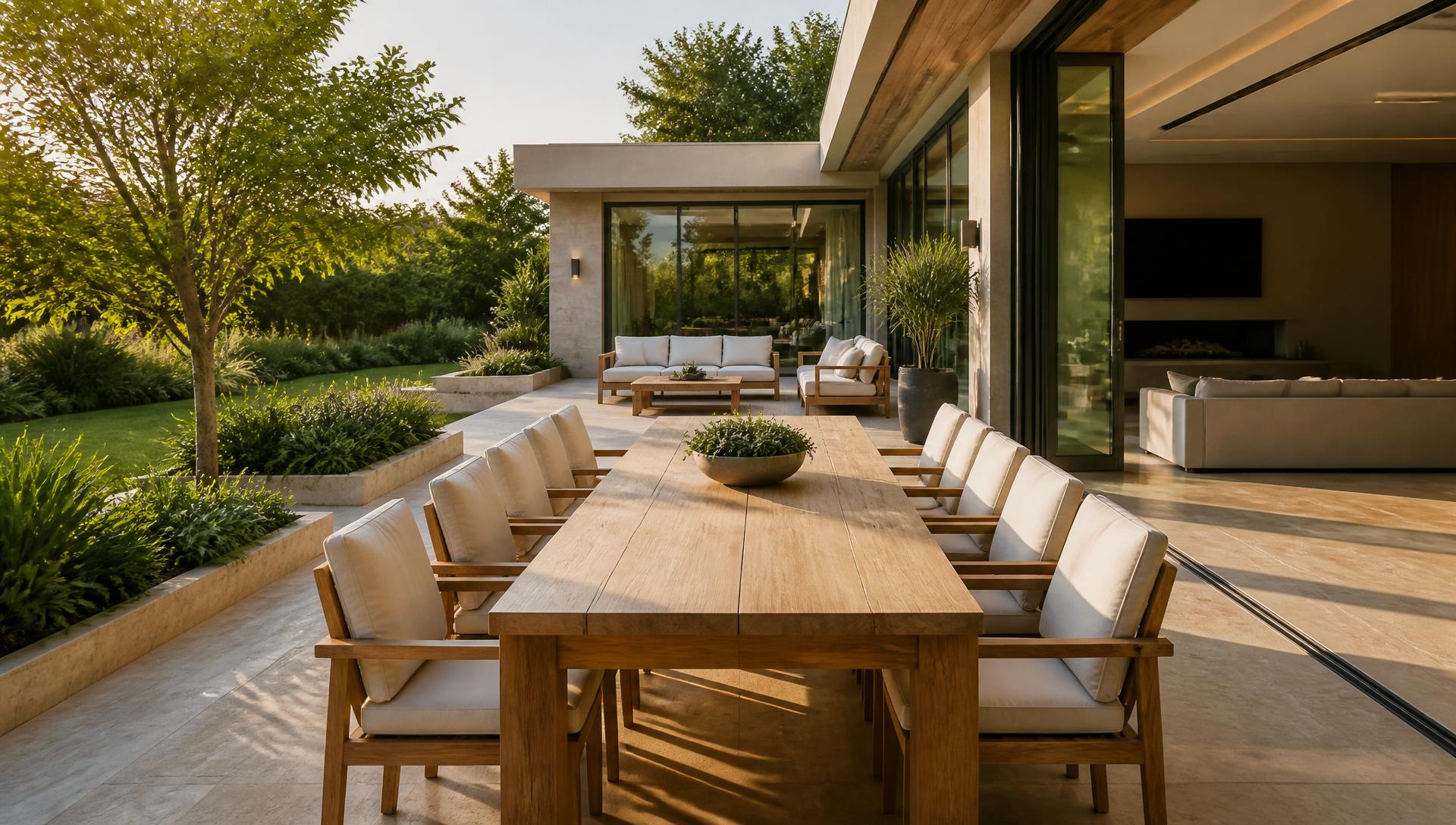
F1 Forward
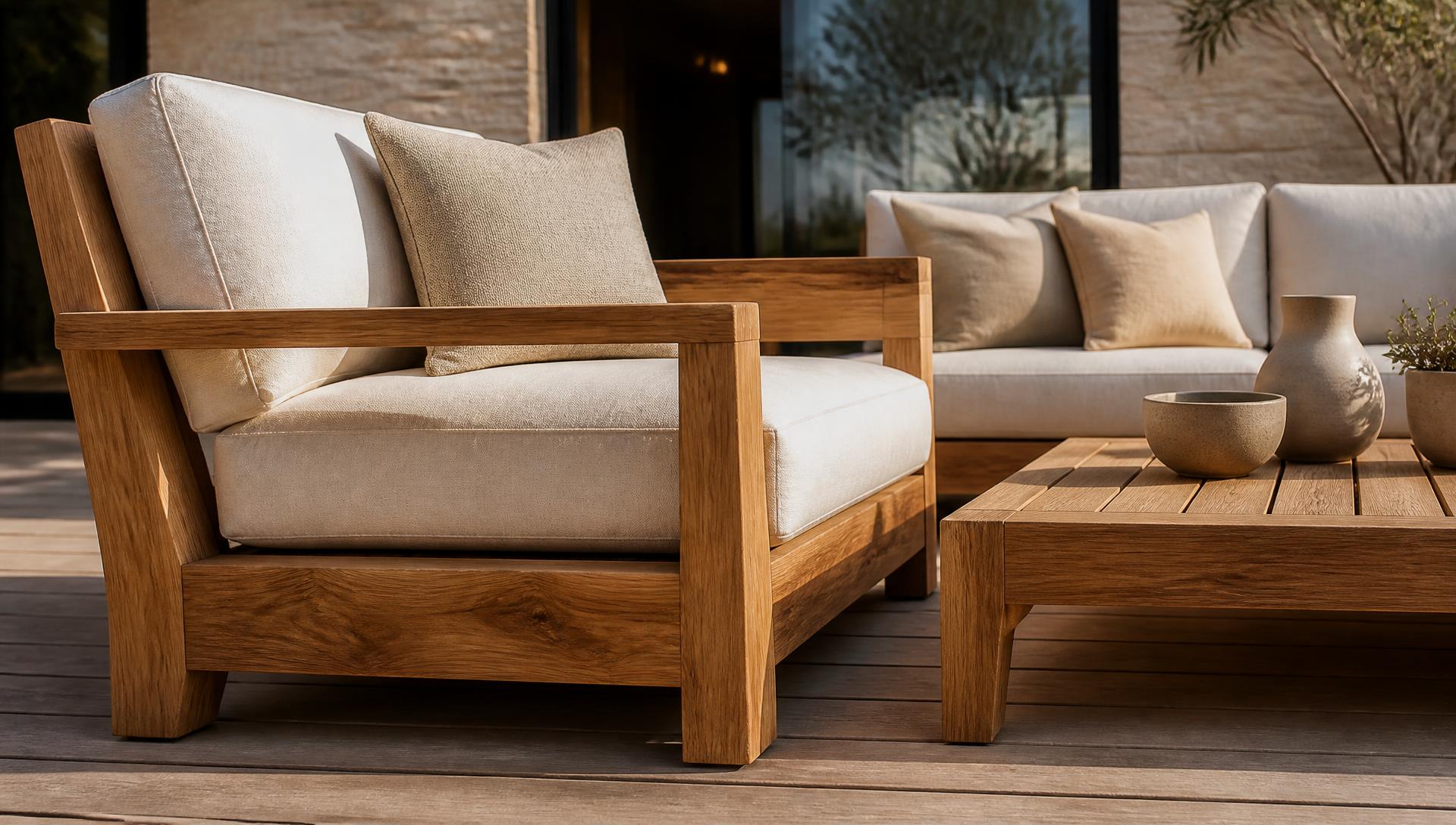
F1 Left
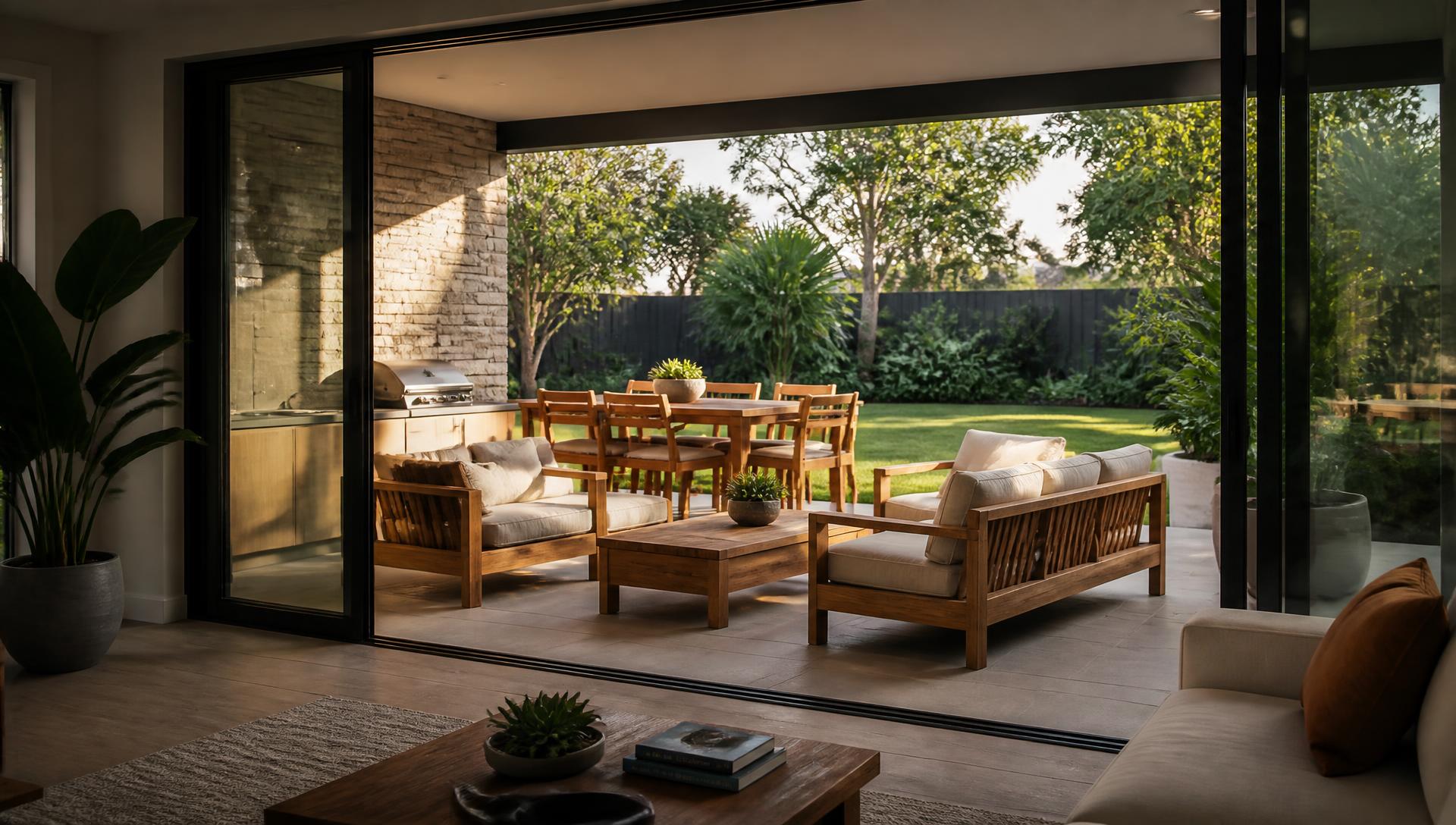
F1 Rear
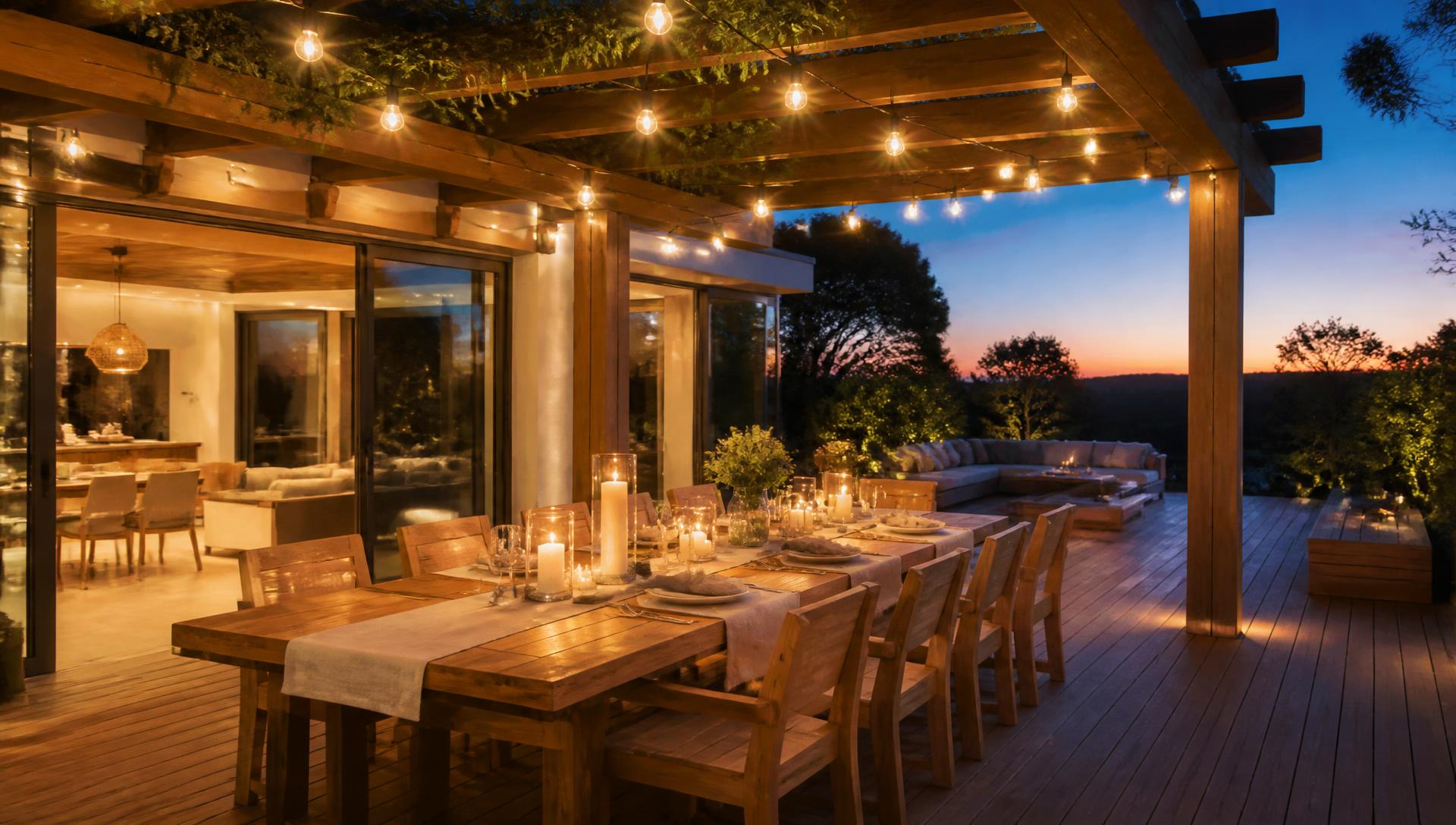
F1 Right
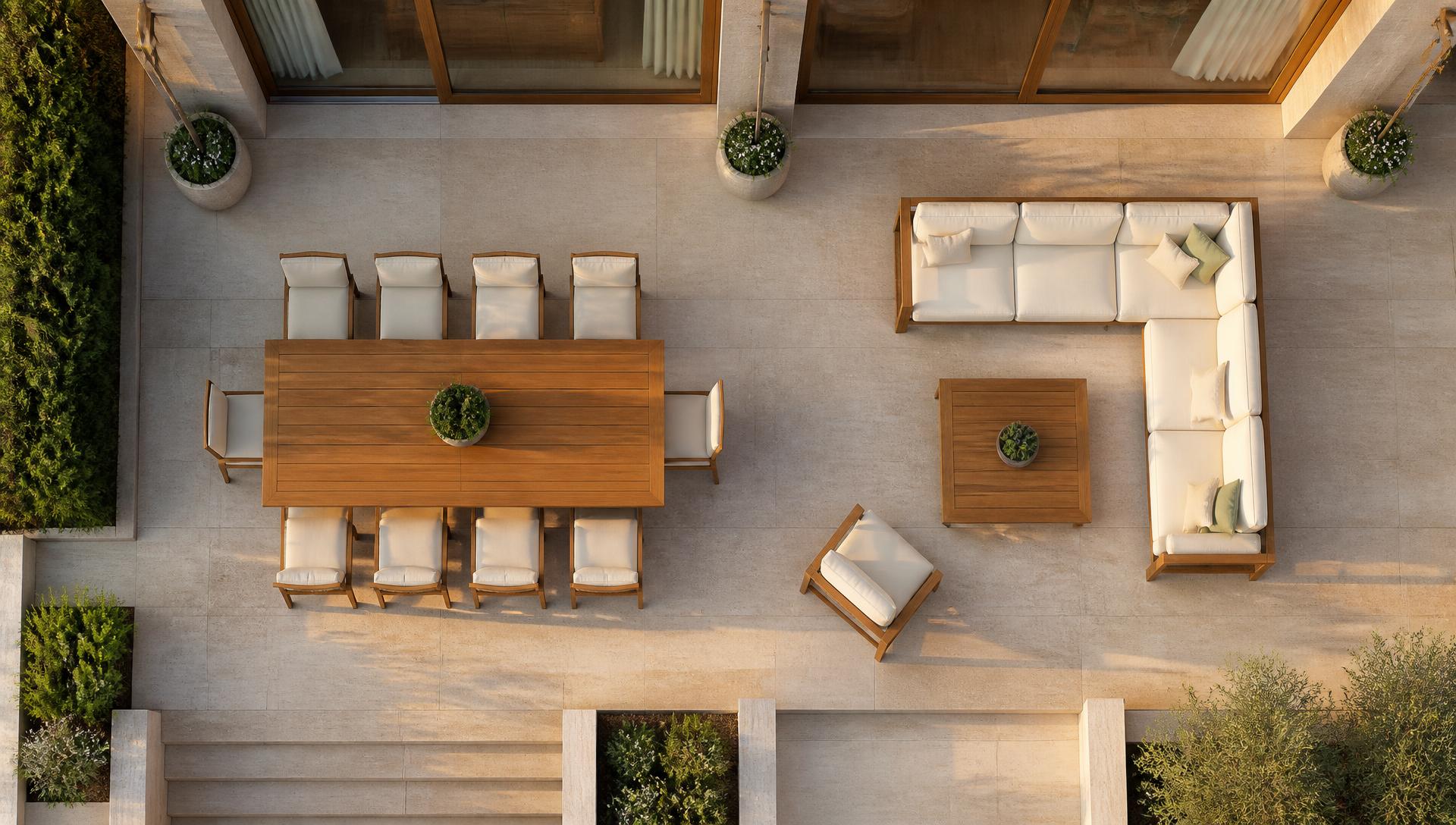
F1 Top
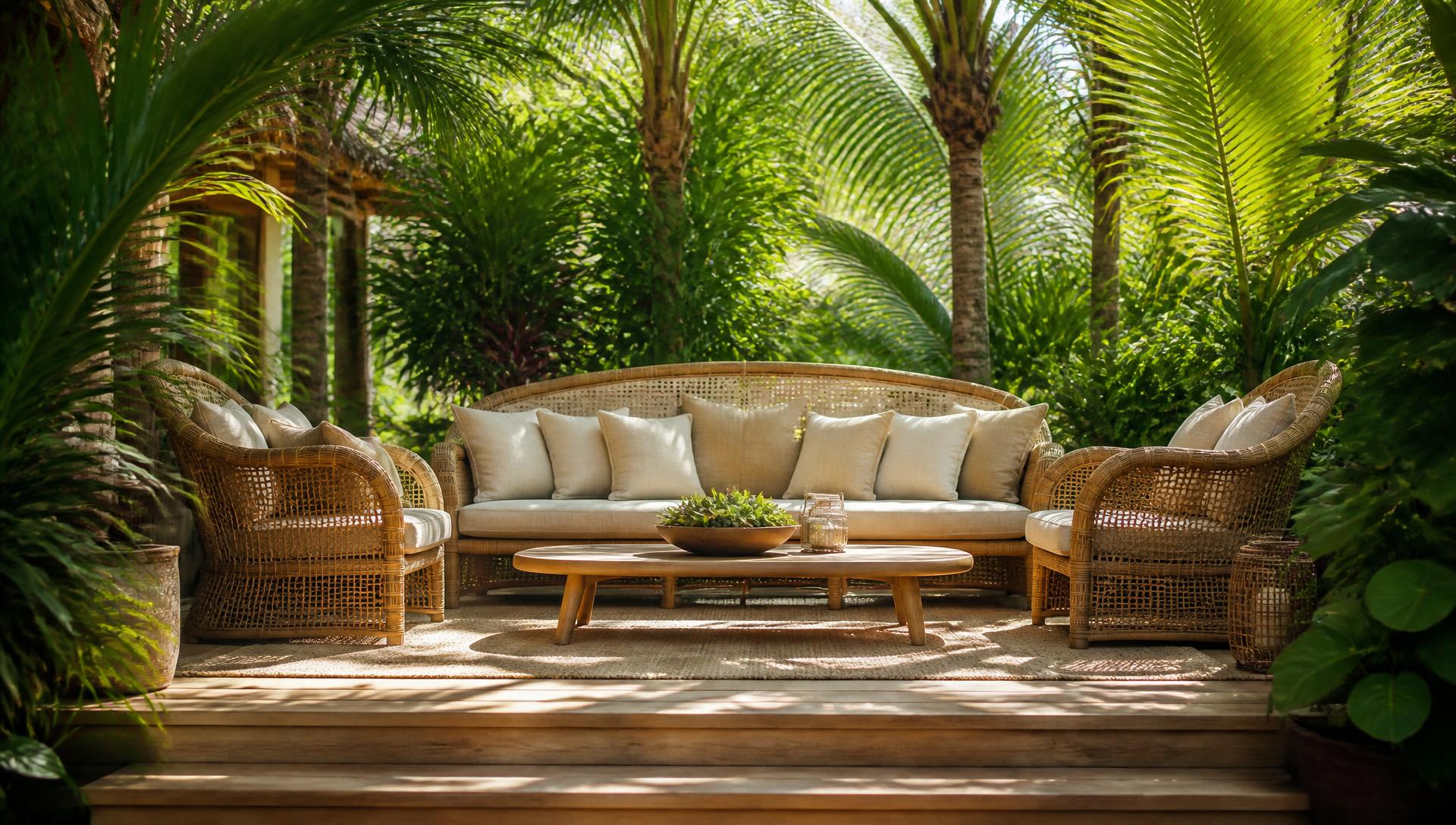
F2 Forward
F2 Left
F2 Rear
F2 Right

F2 Top
F3 Forward
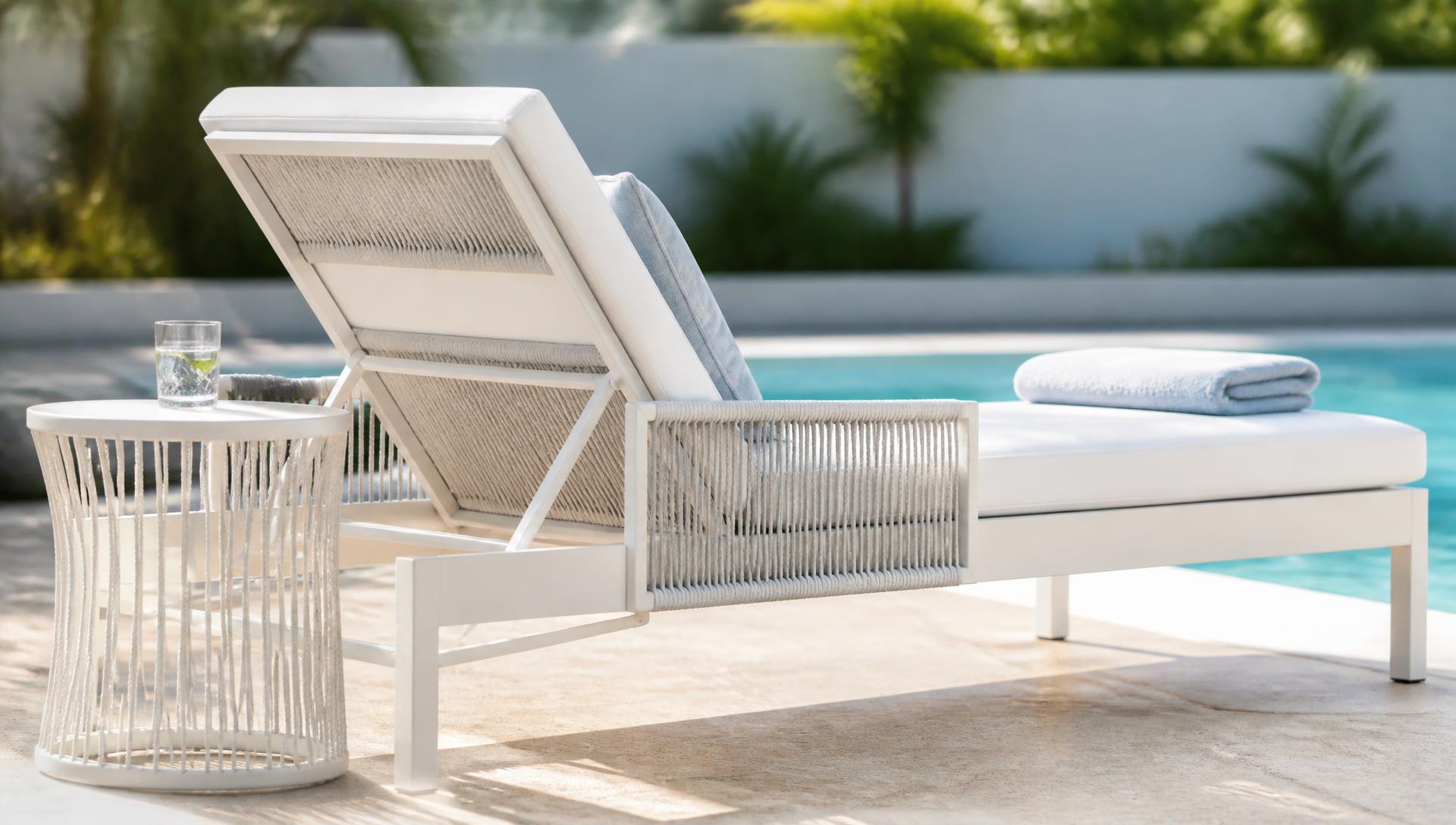
F3 Left

F3 Rear
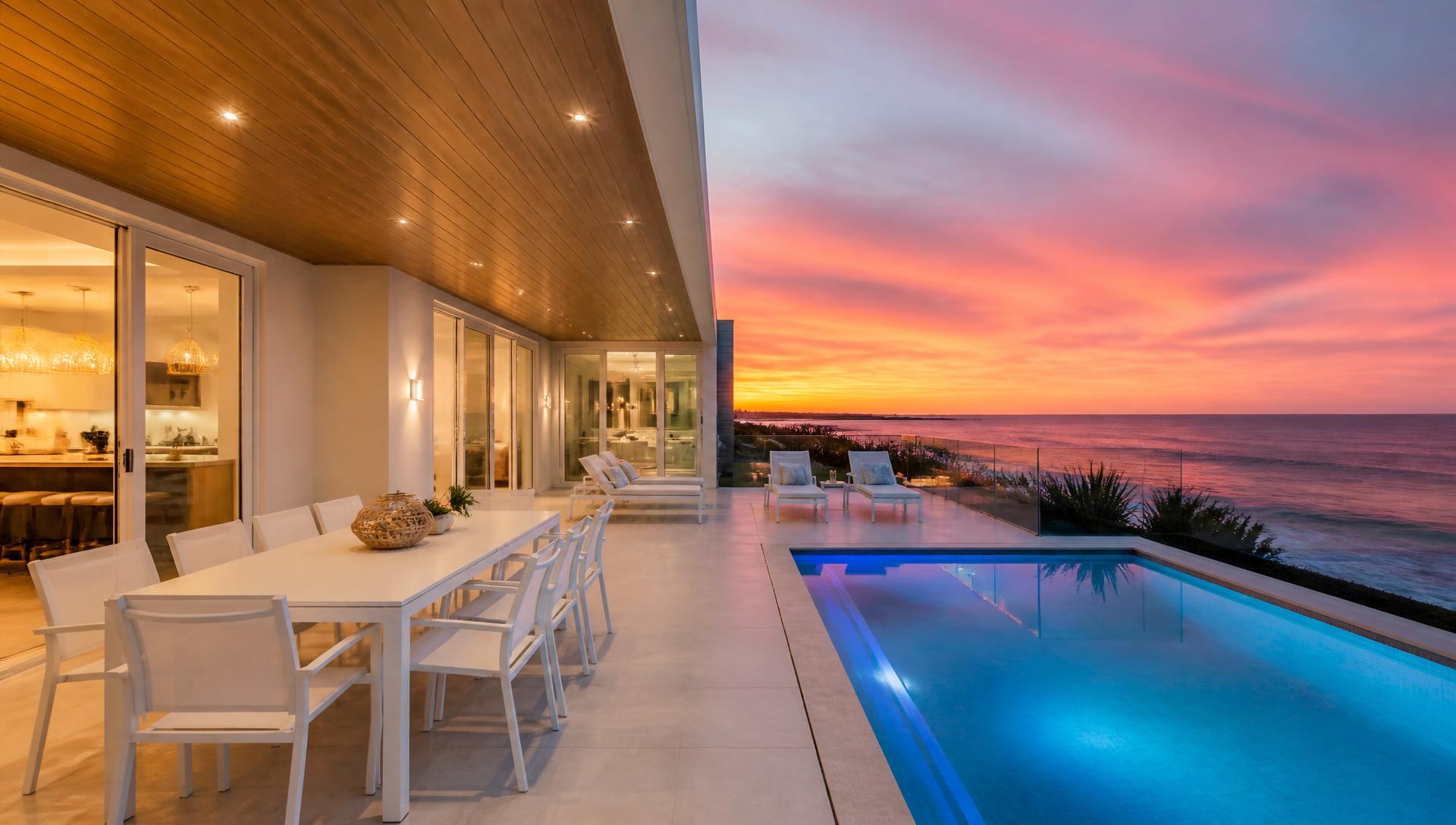
F3 Right

F3 Top
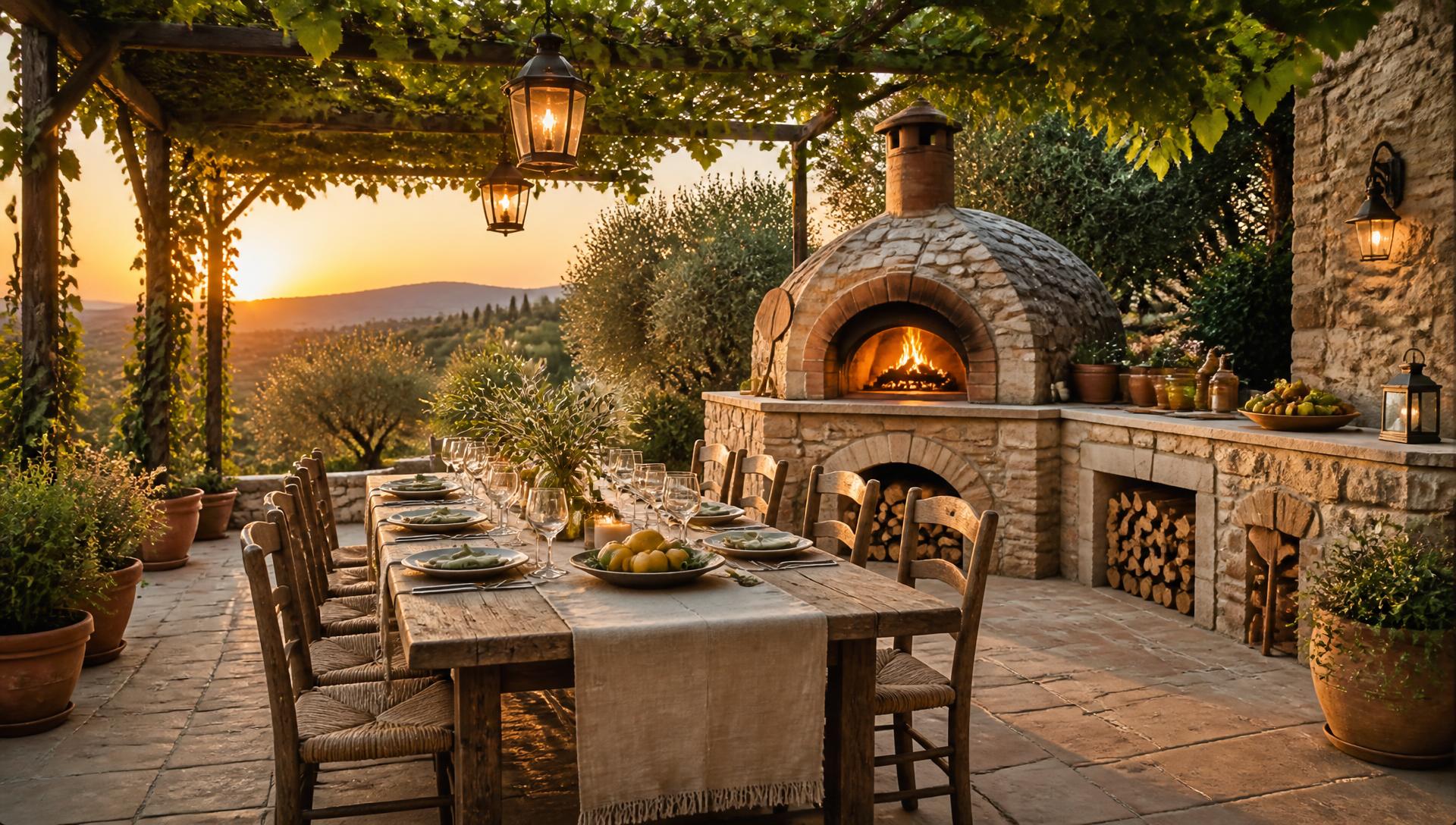
F4 Forward
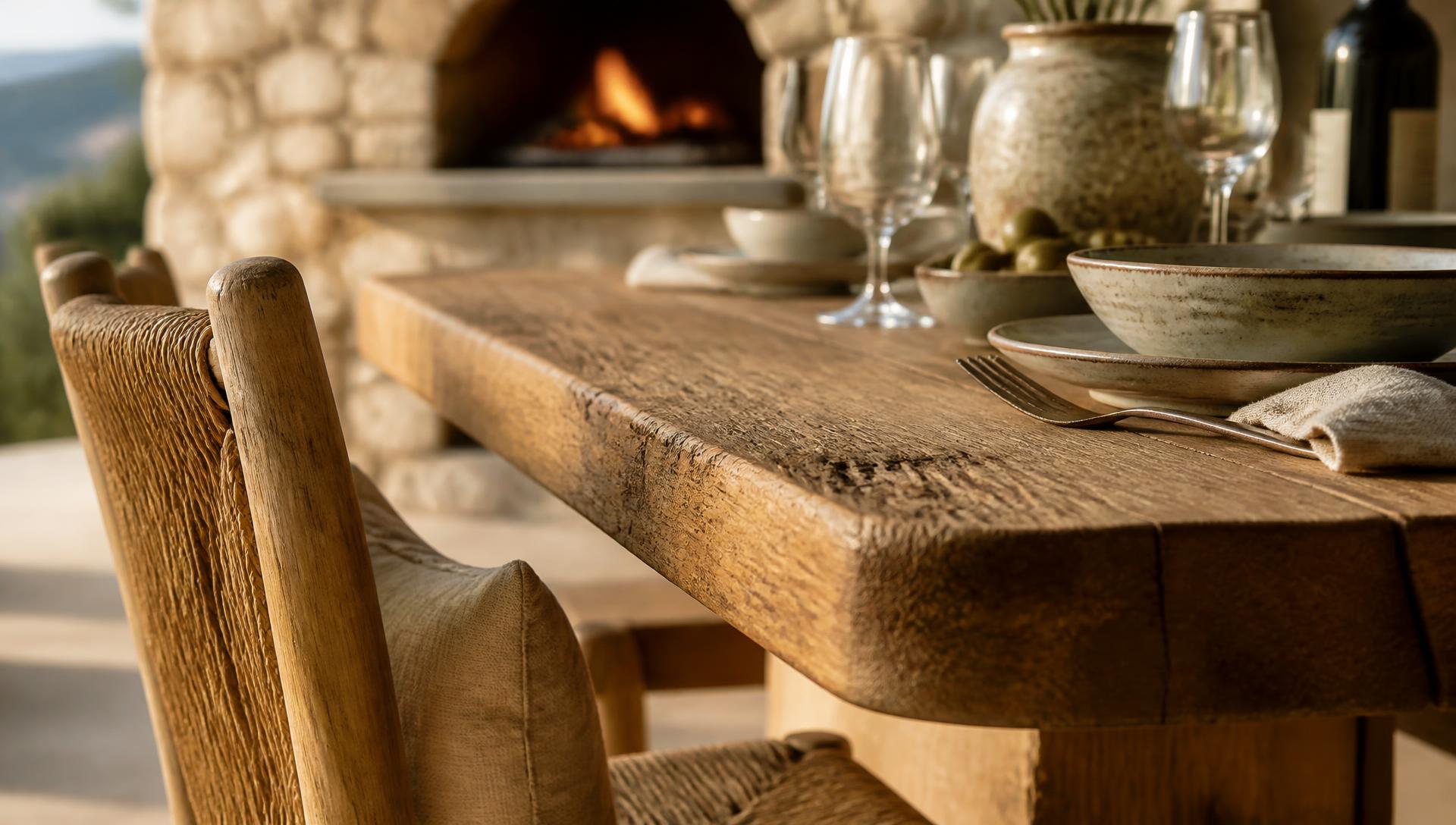
F4 Left
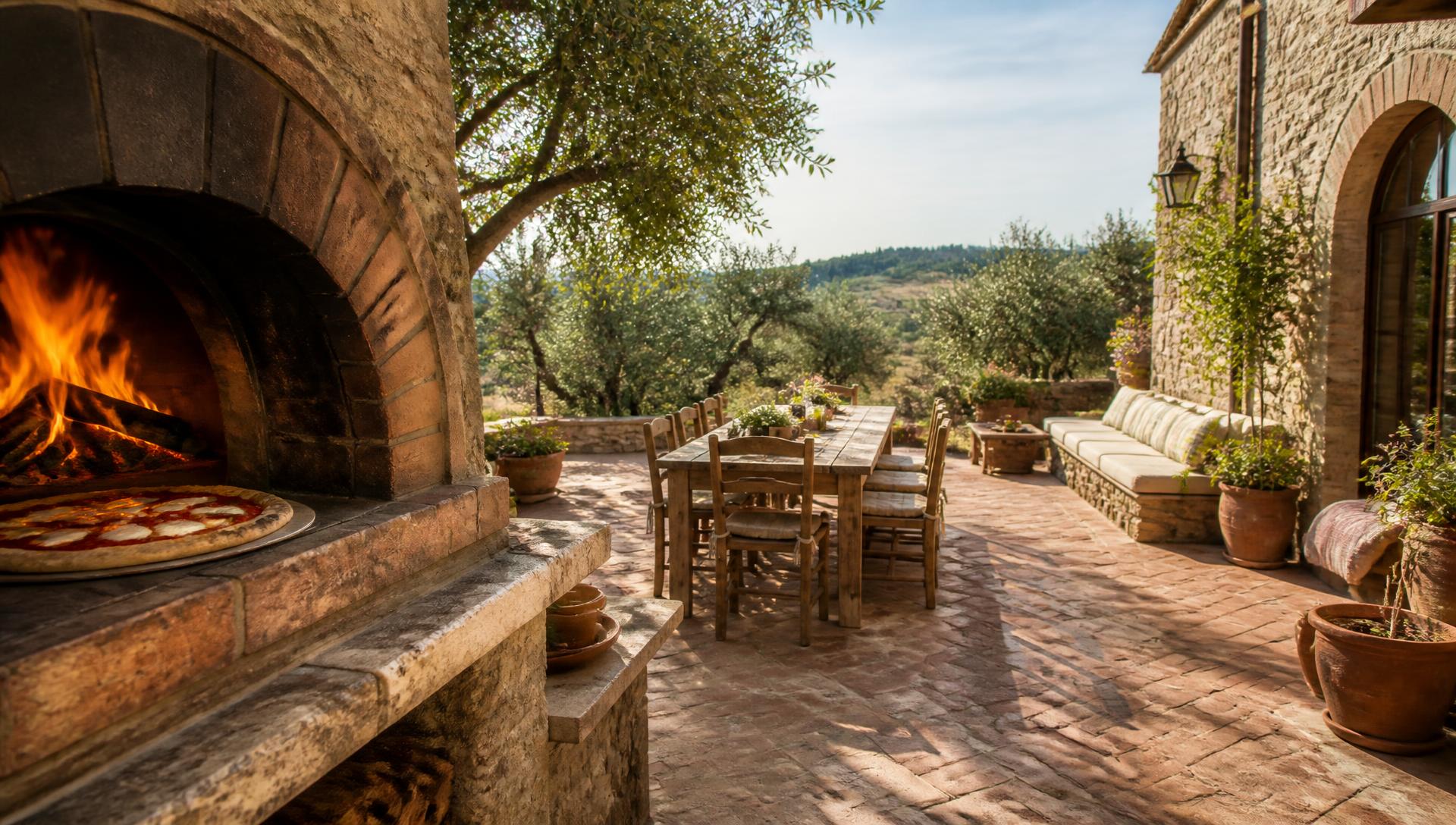
F4 Rear
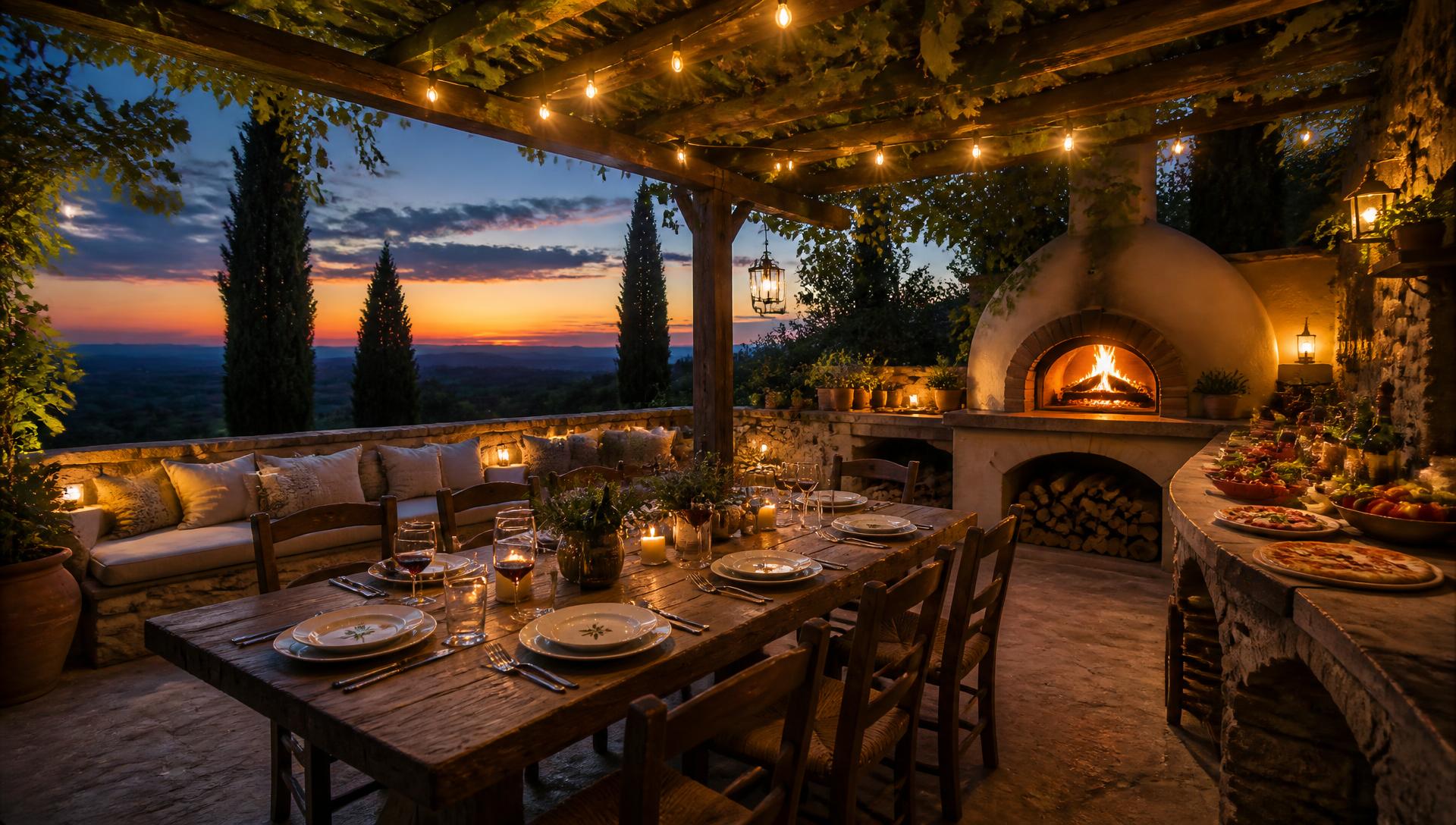
F4 Right

F4 Top
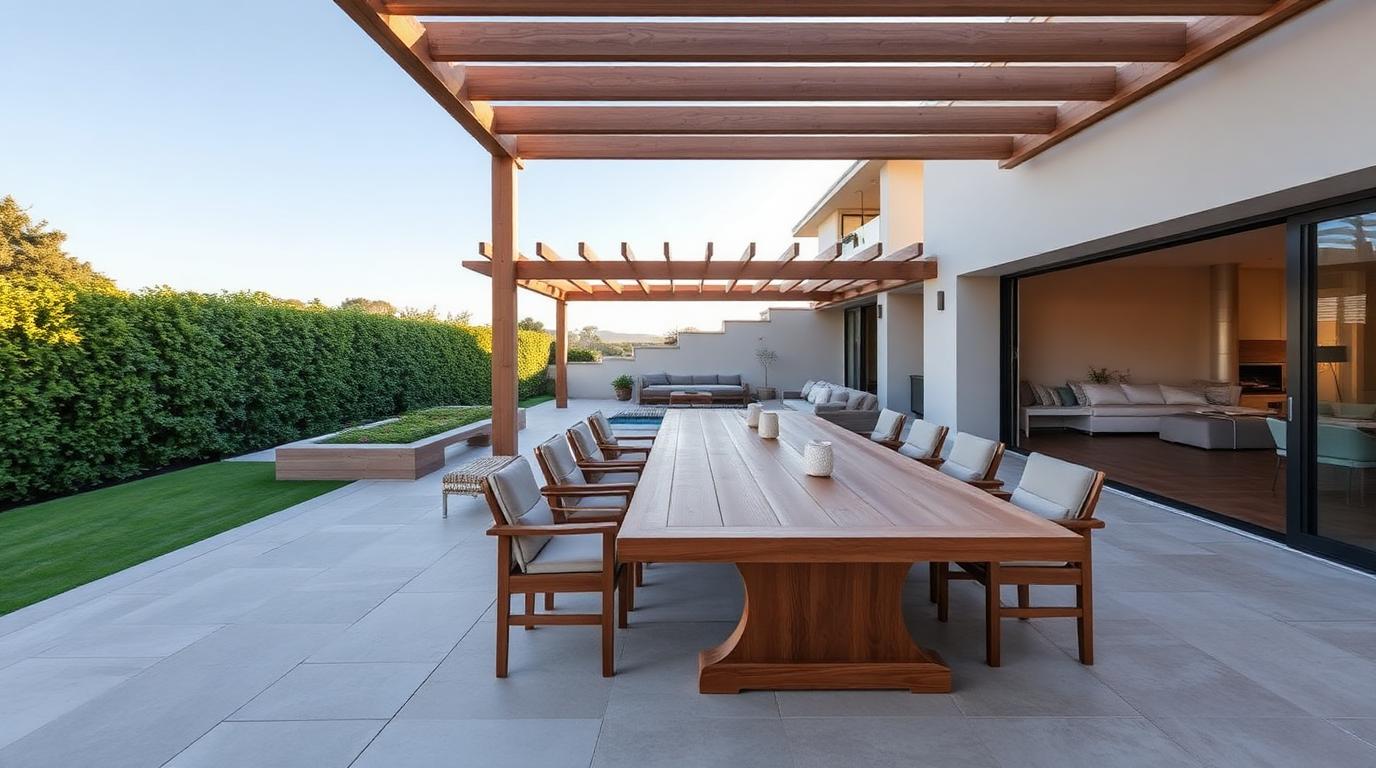
Fc 01
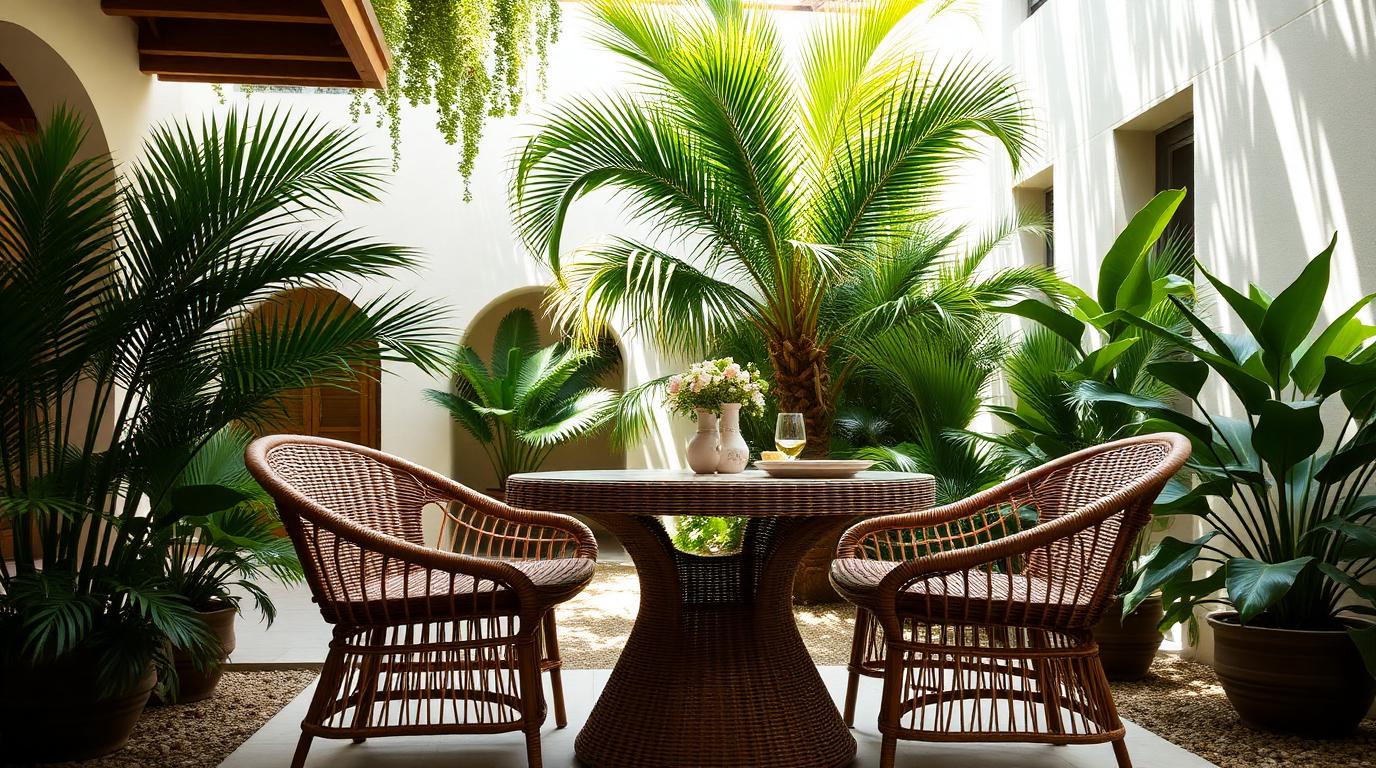
Fc 02
Fc 03
Fc 04
Fc 05
Fc 06
Fc 07

Fc 08
Fc 09

Fc 10

Fc 11
Fc 12
Fc 13
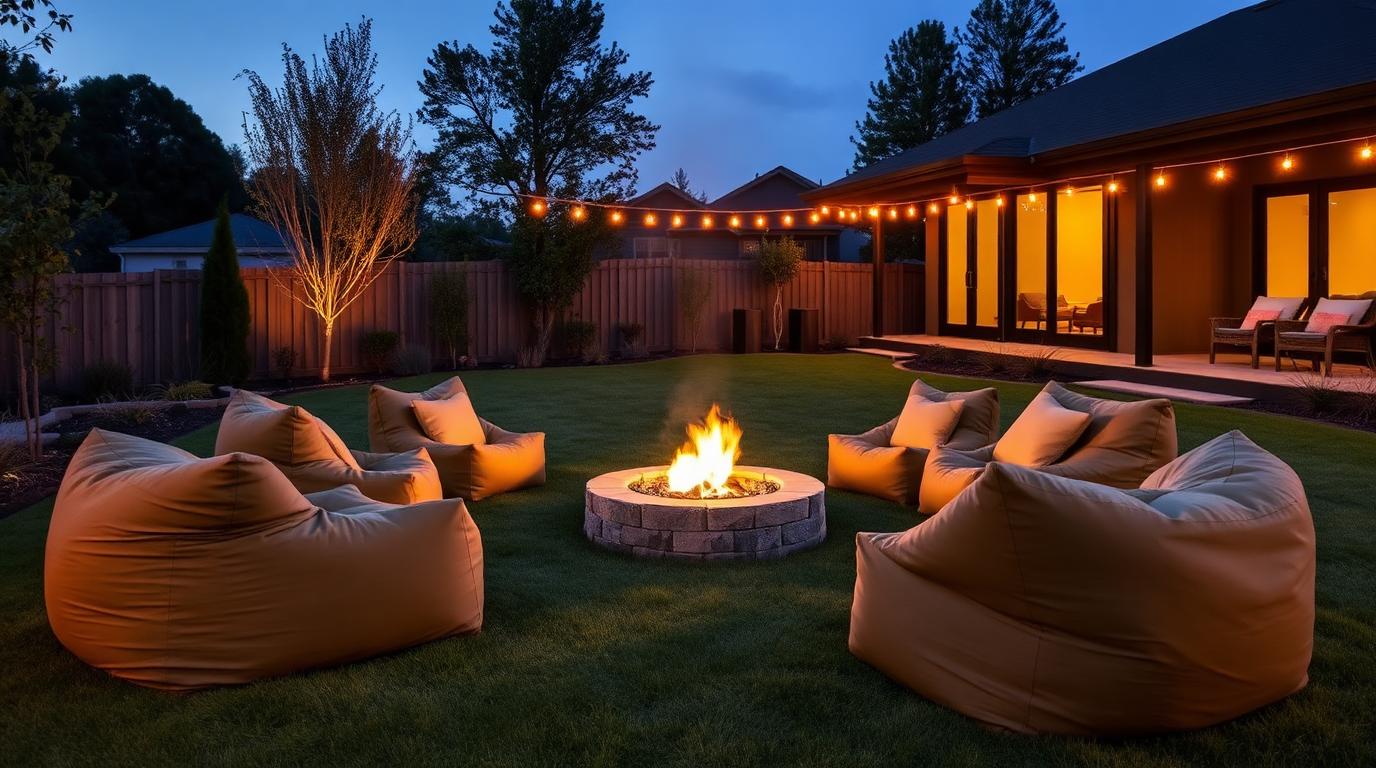
Fc 14
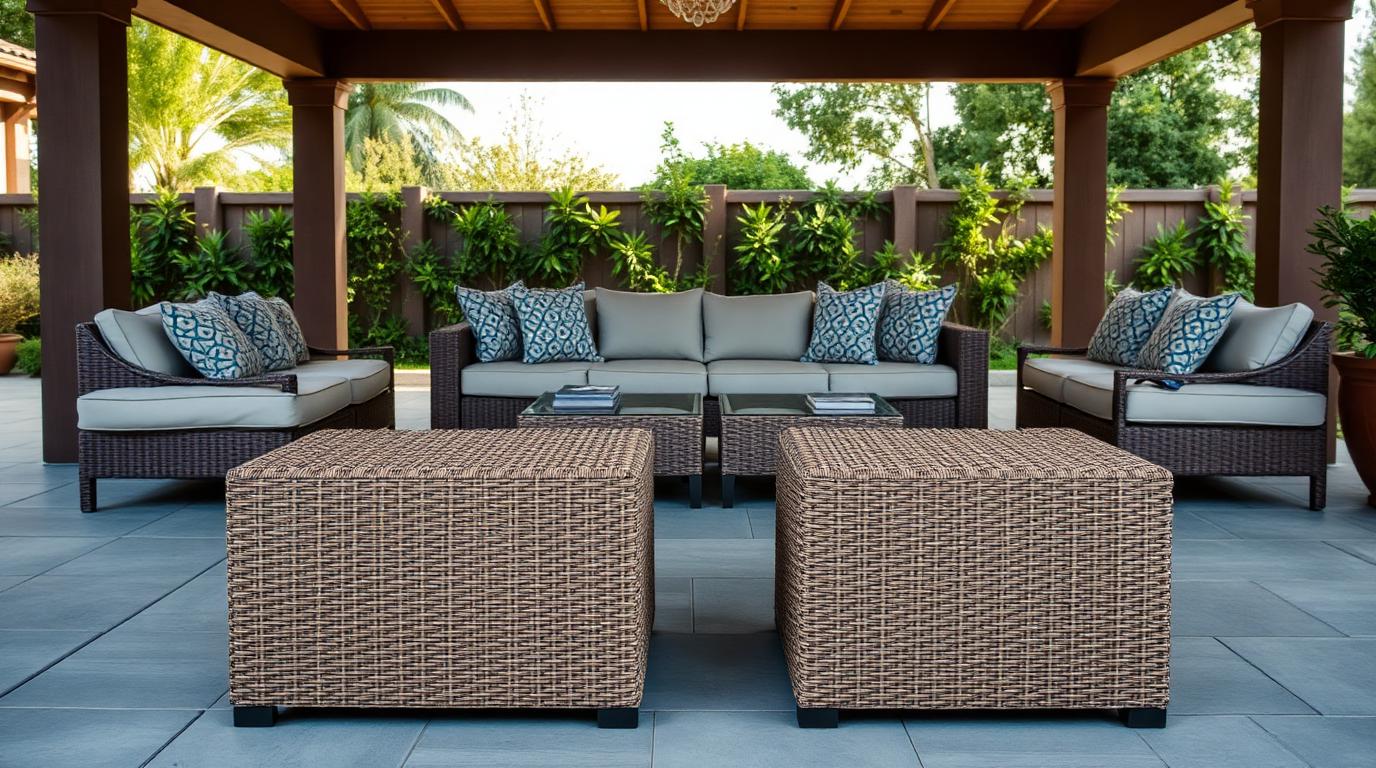
Fc 15
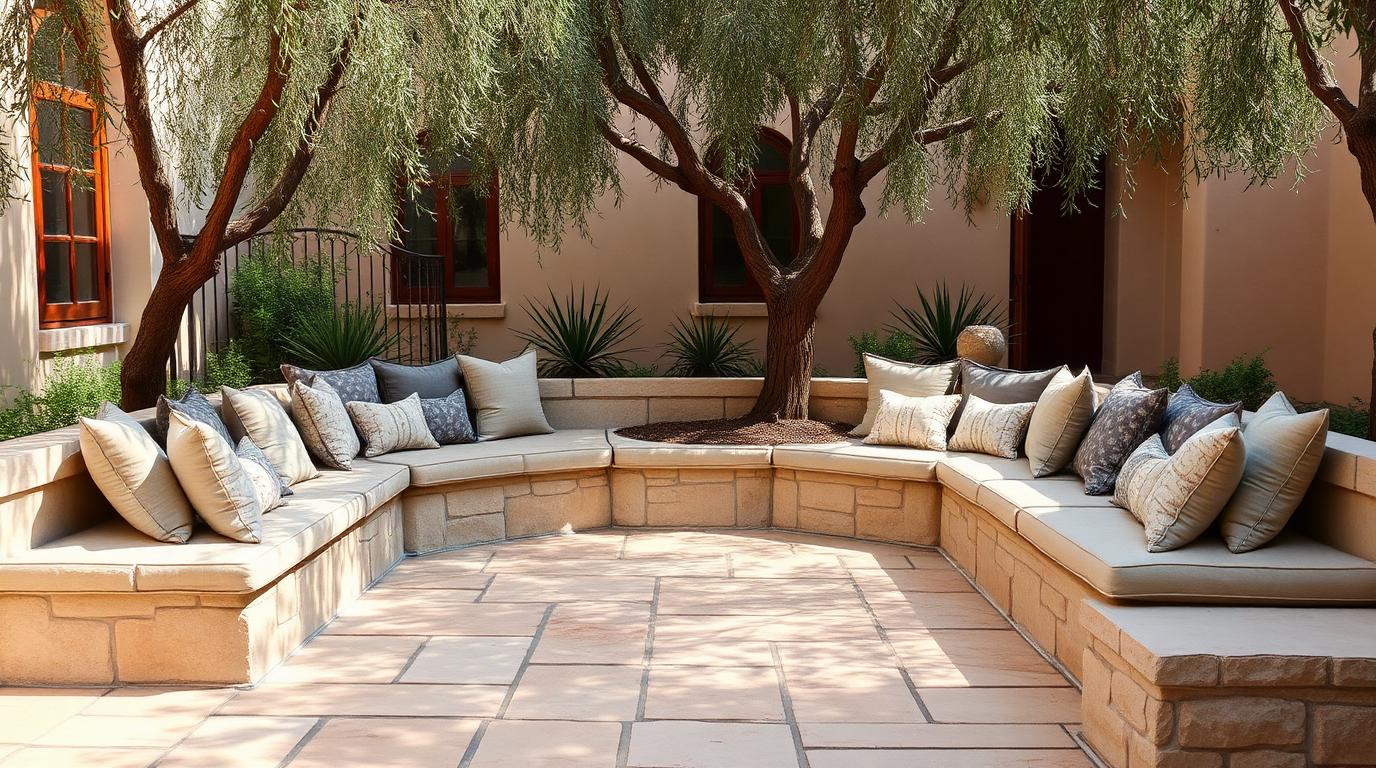
Fc 16
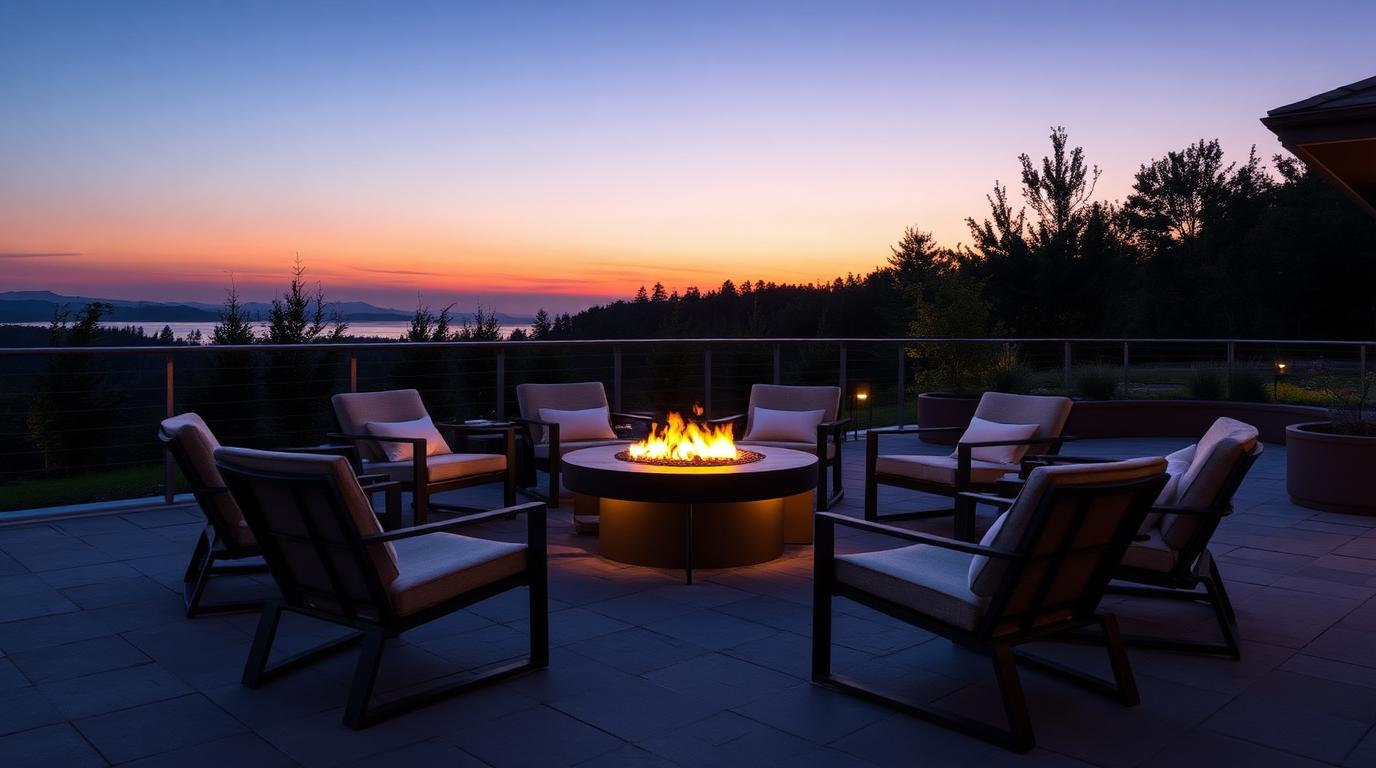
Fc 17
Fc 18
Fc 19

Fc 20
Furniture
Material
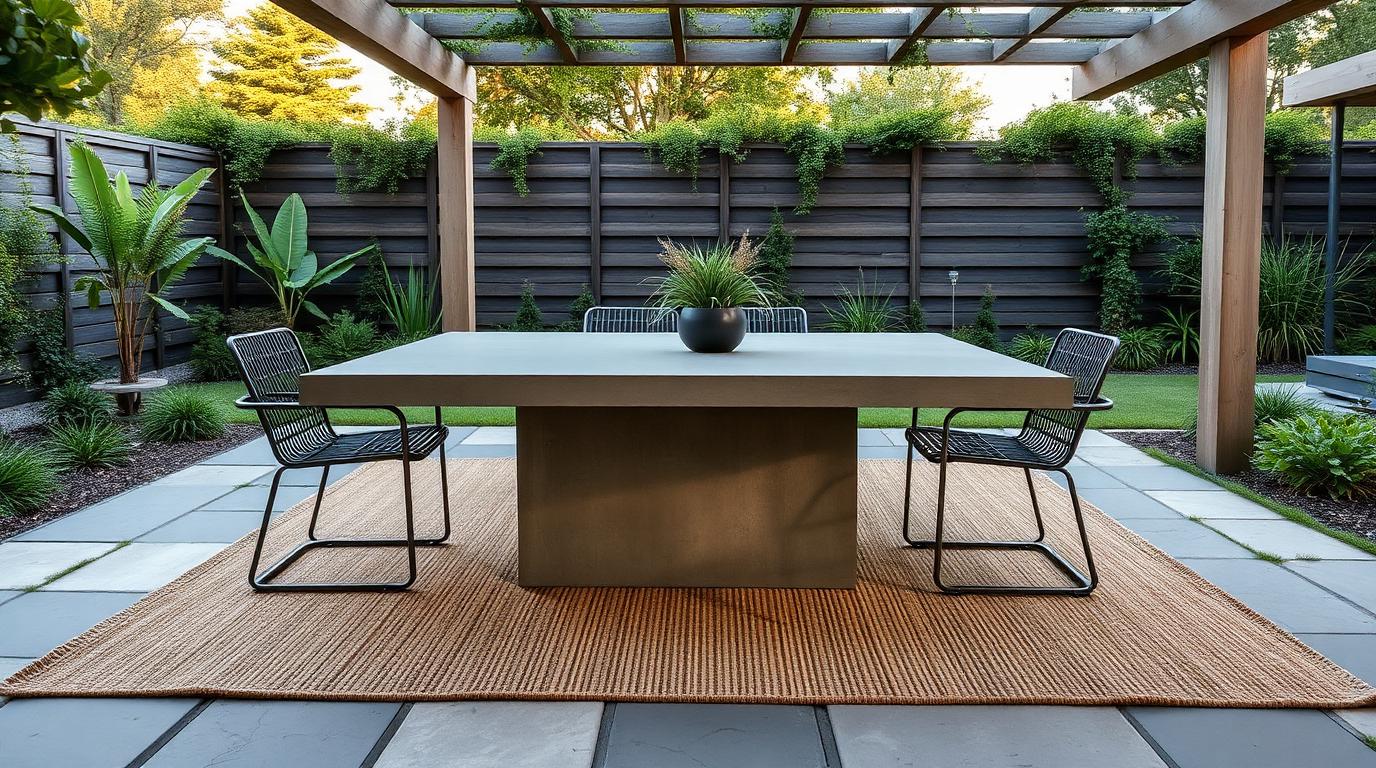
Material
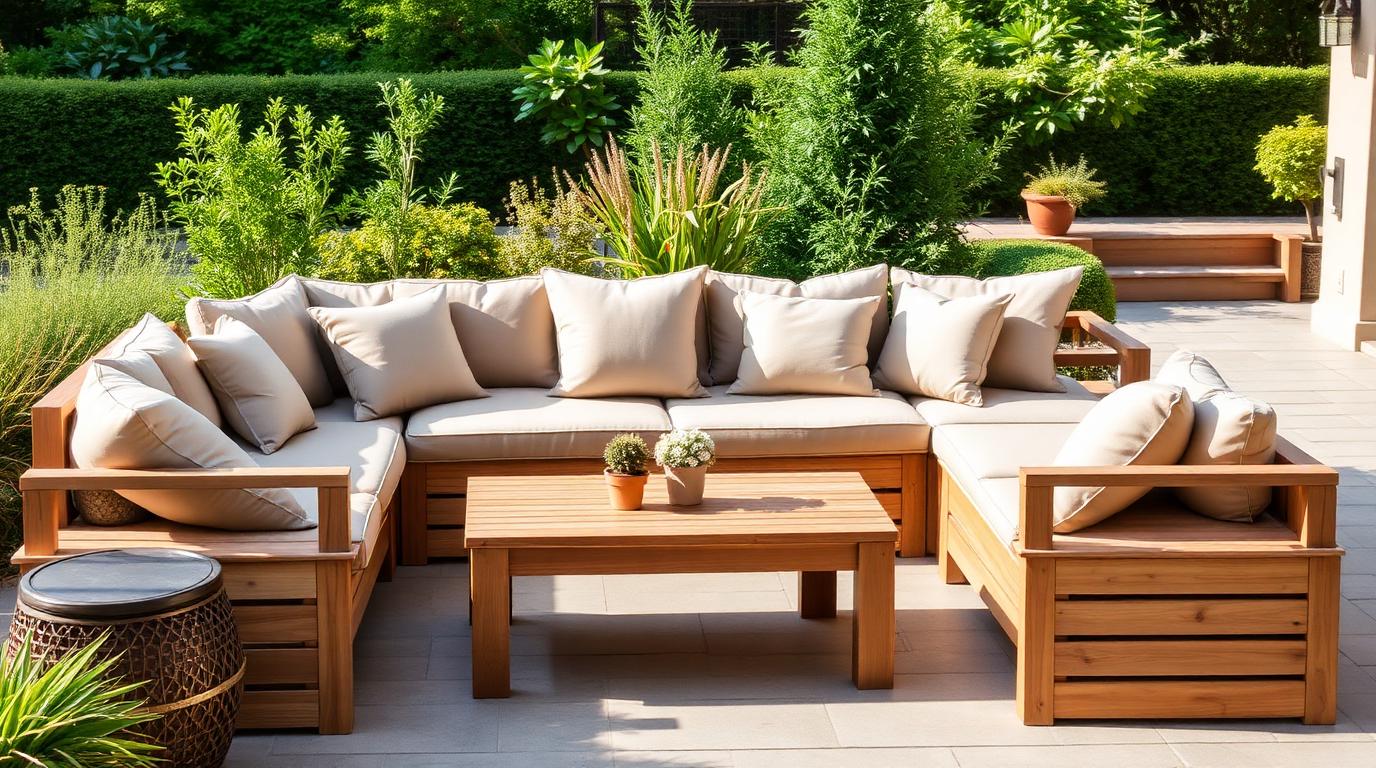
Material
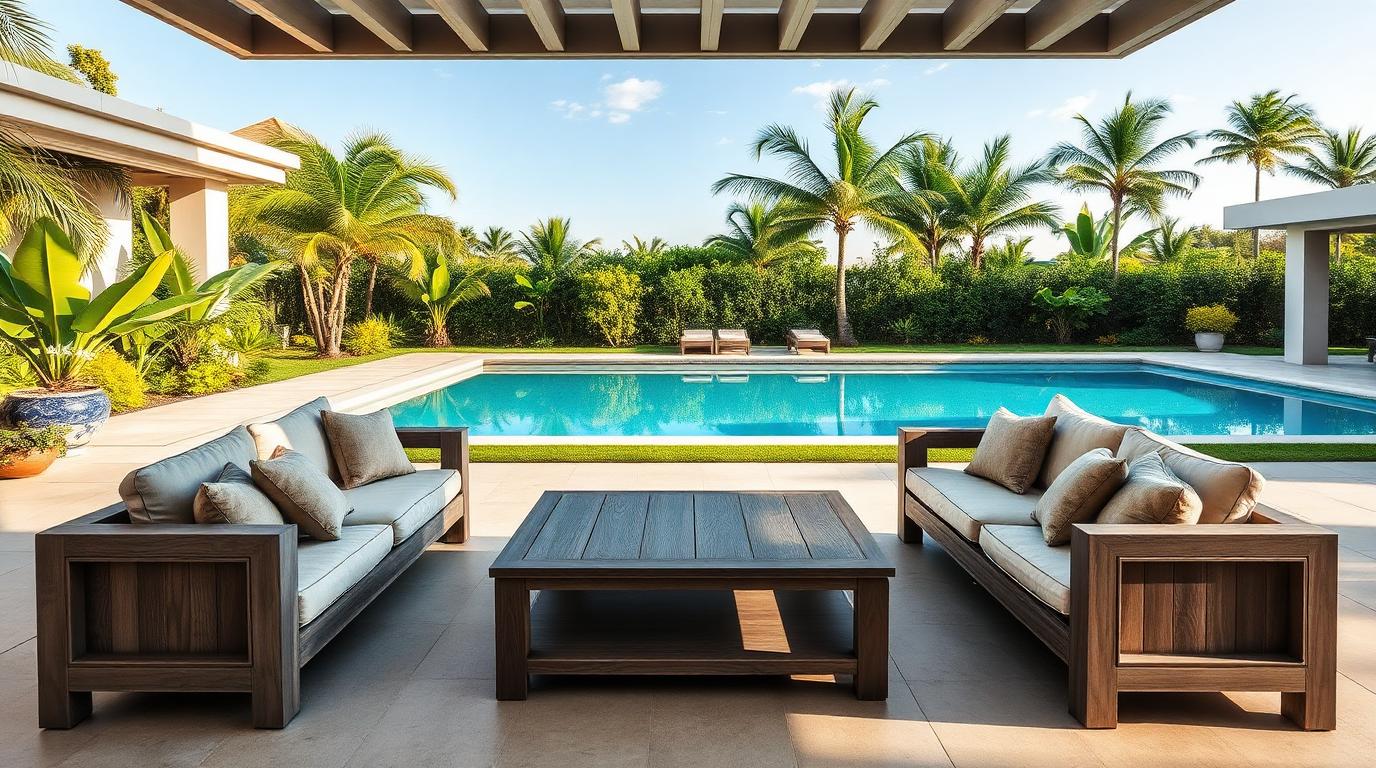
Material Teak
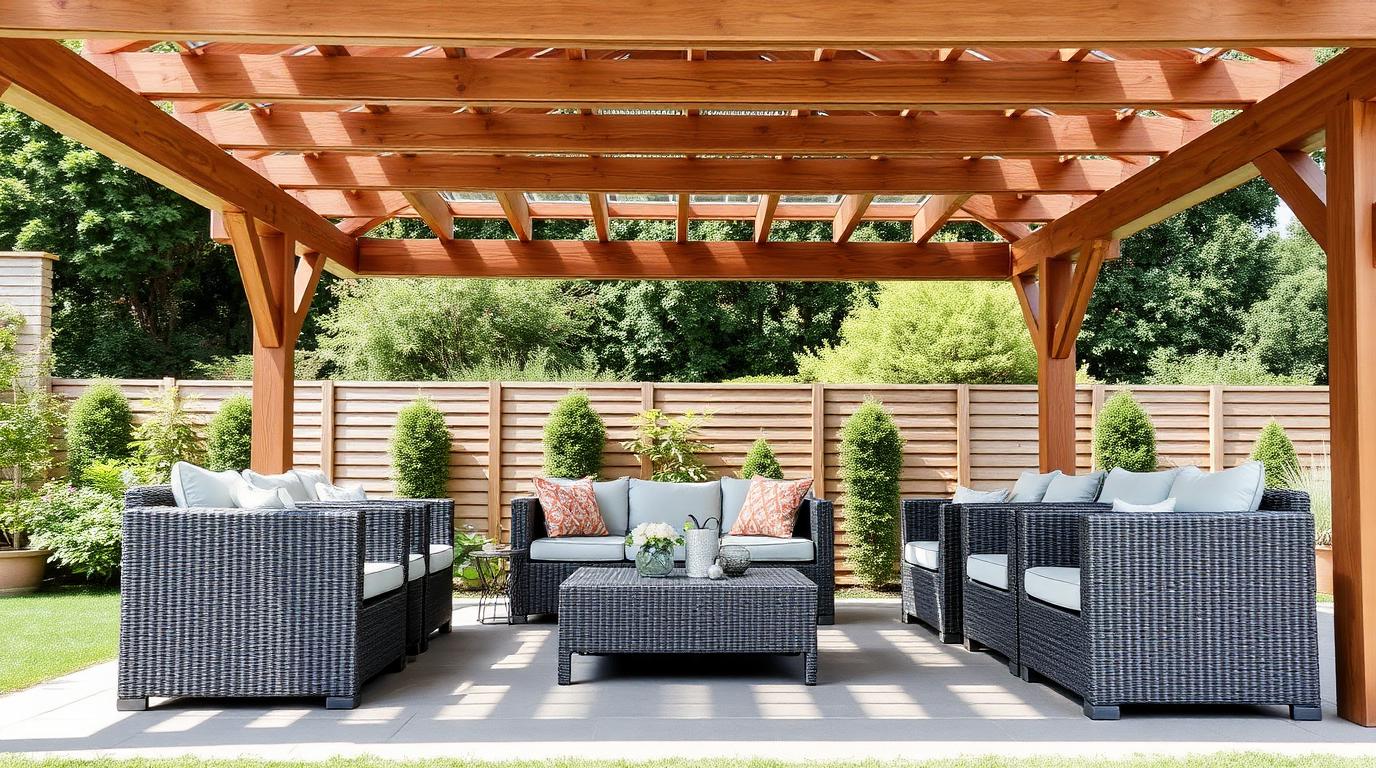
Material Wicker
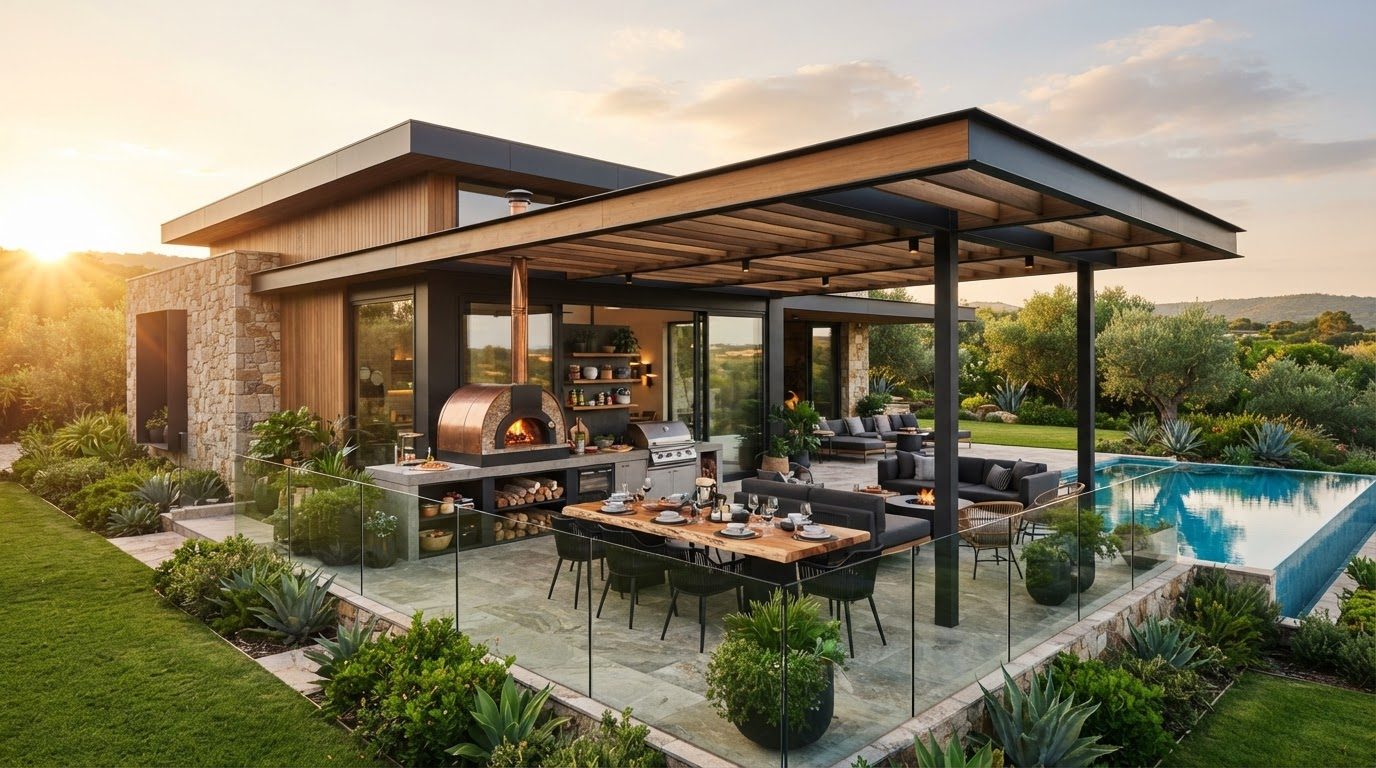
Outdoor Furniture Concept 01
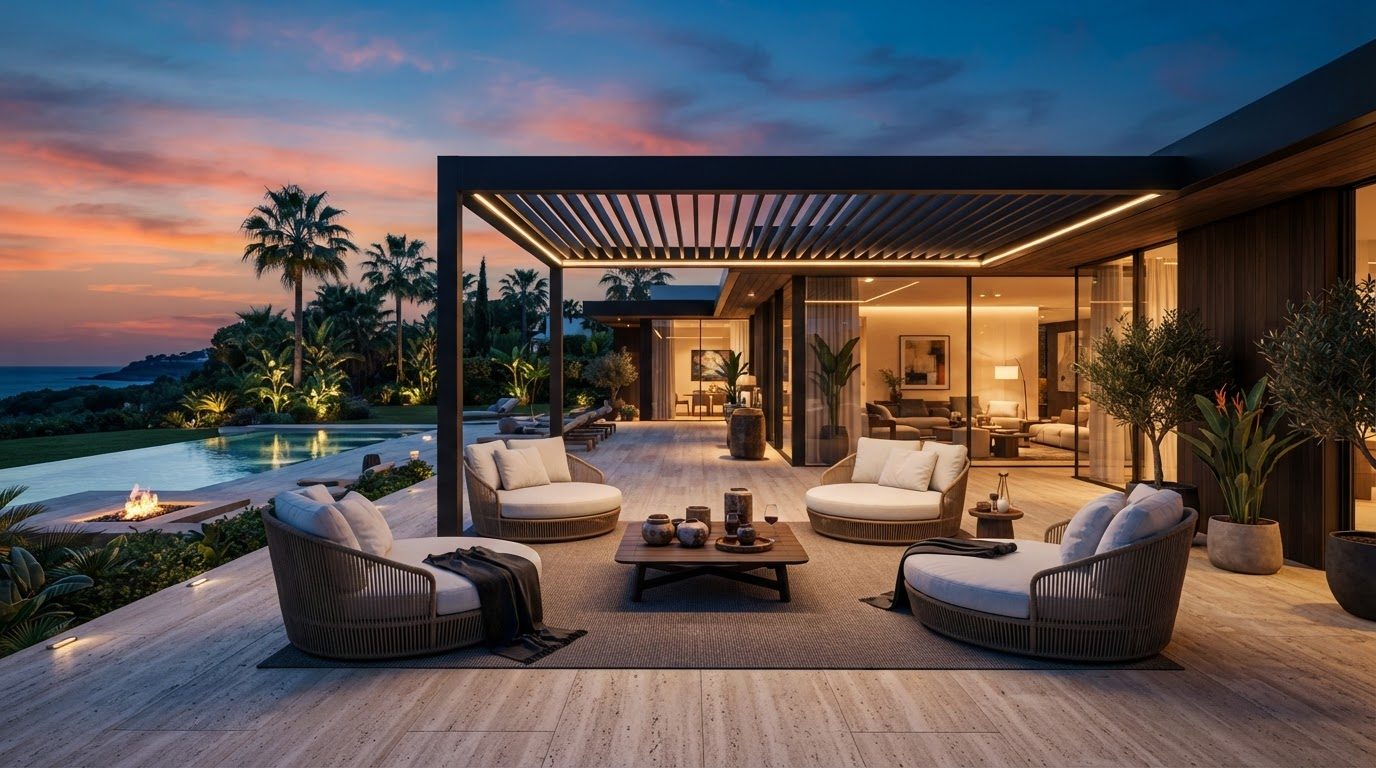
Outdoor Furniture Concept 02
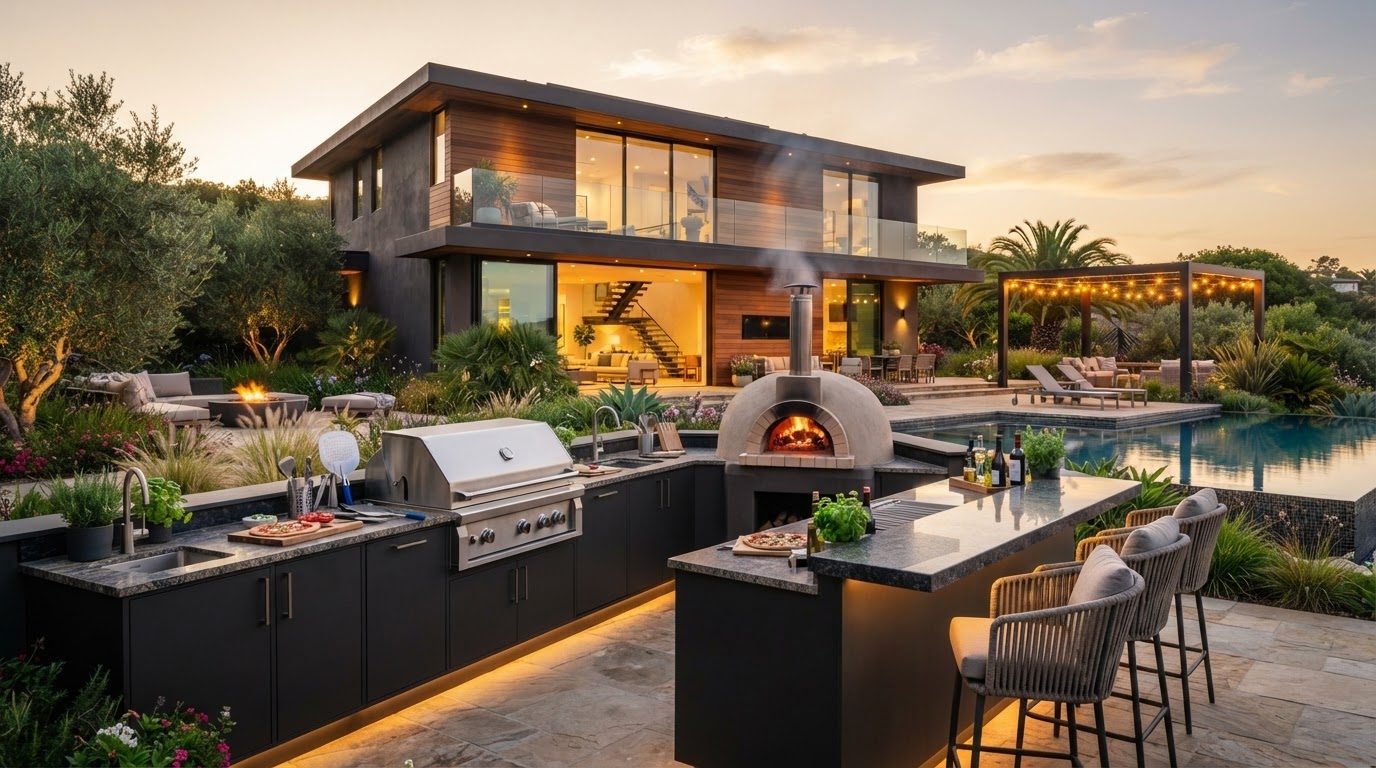
Outdoor Furniture Concept 03
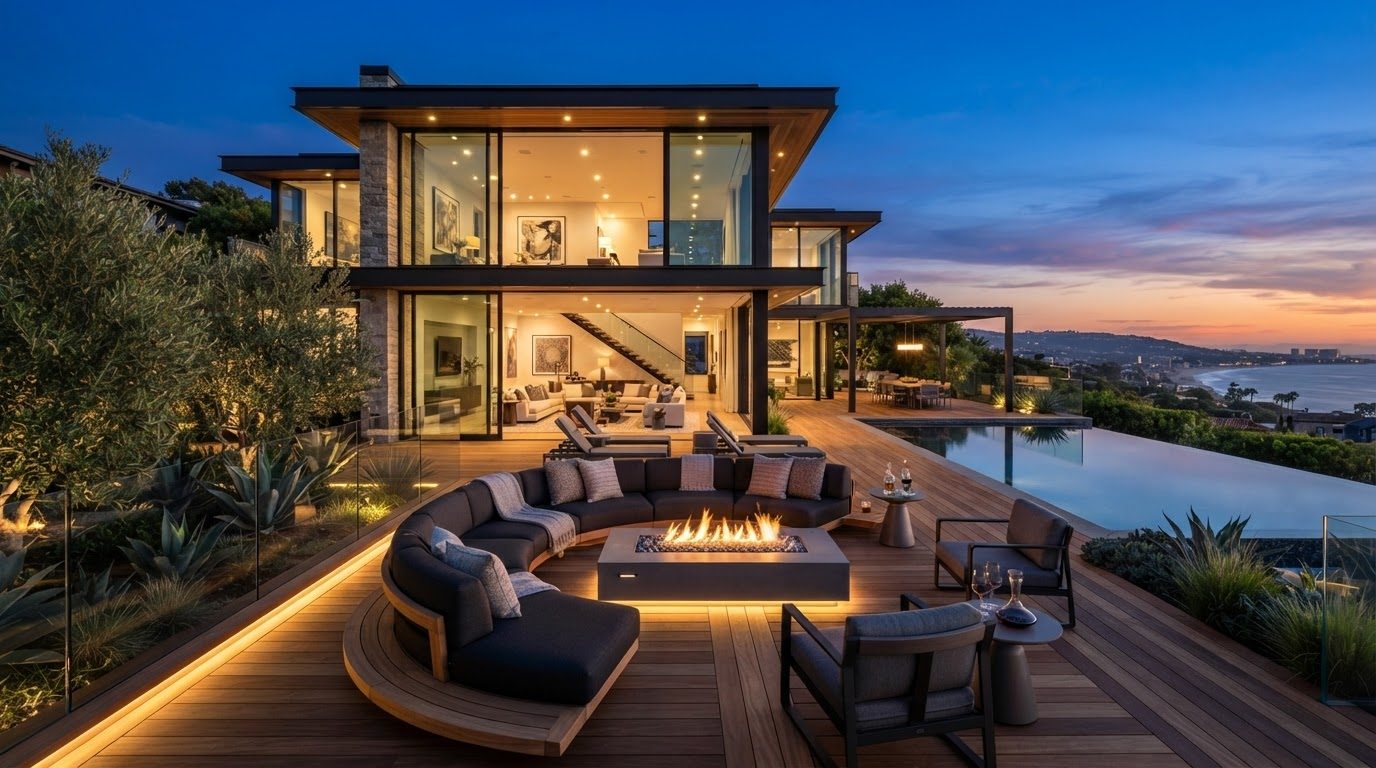
Outdoor Furniture Concept 04
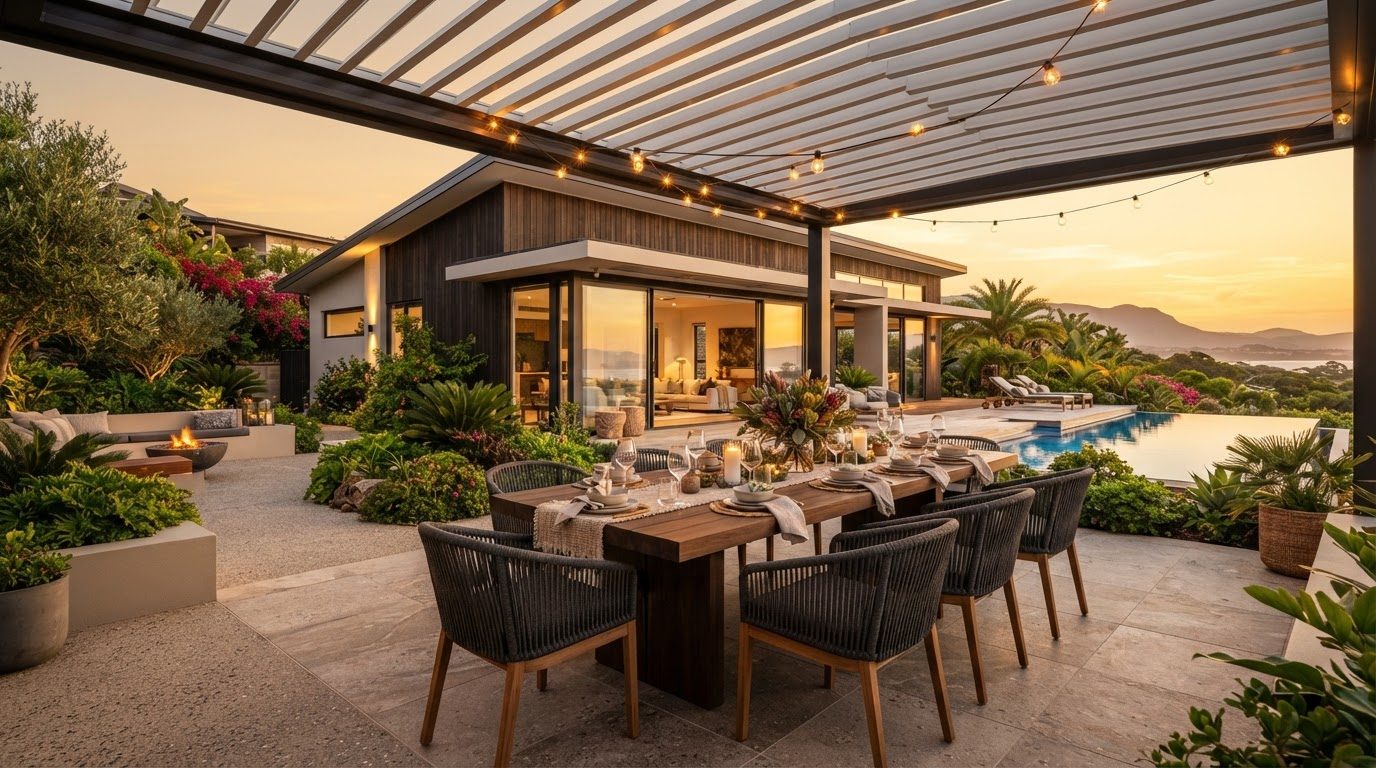
Outdoor Furniture Concept 05
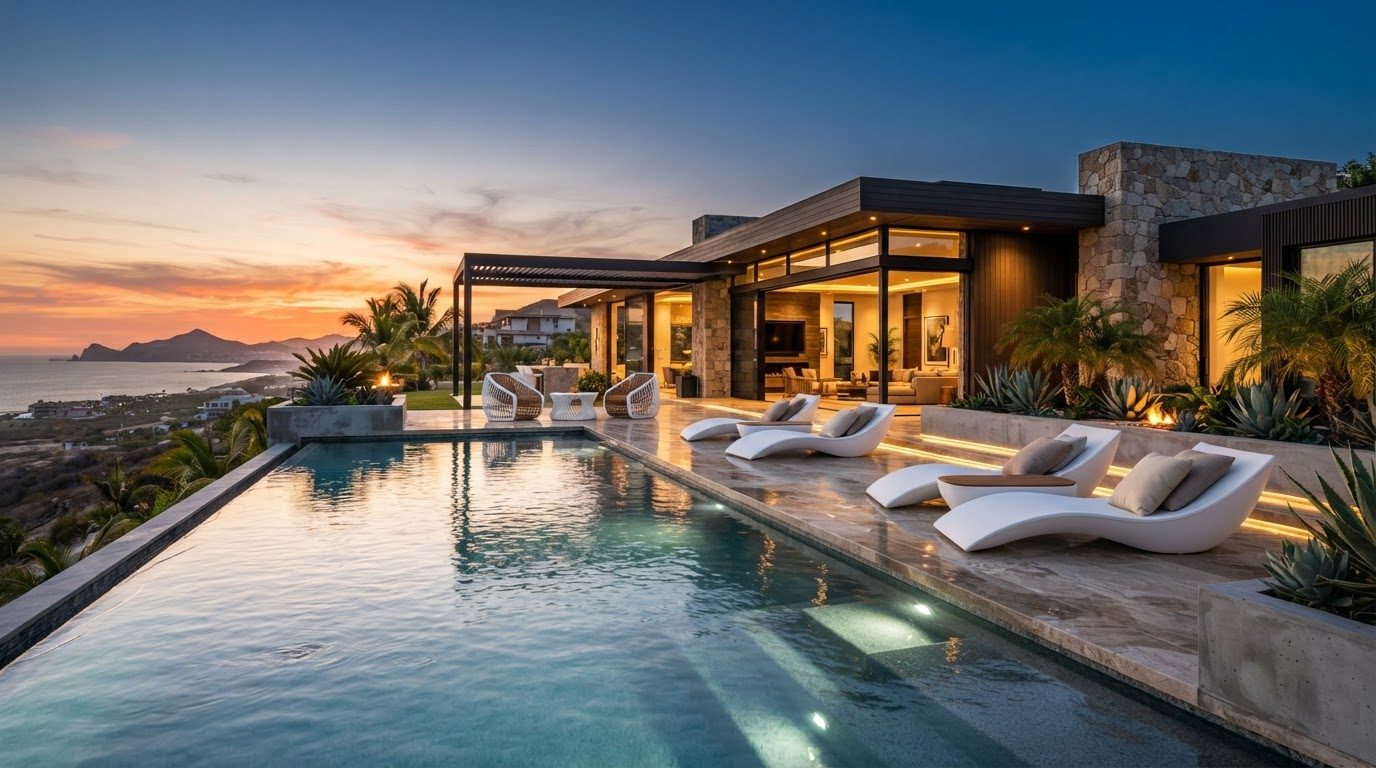
Outdoor Furniture Concept 06
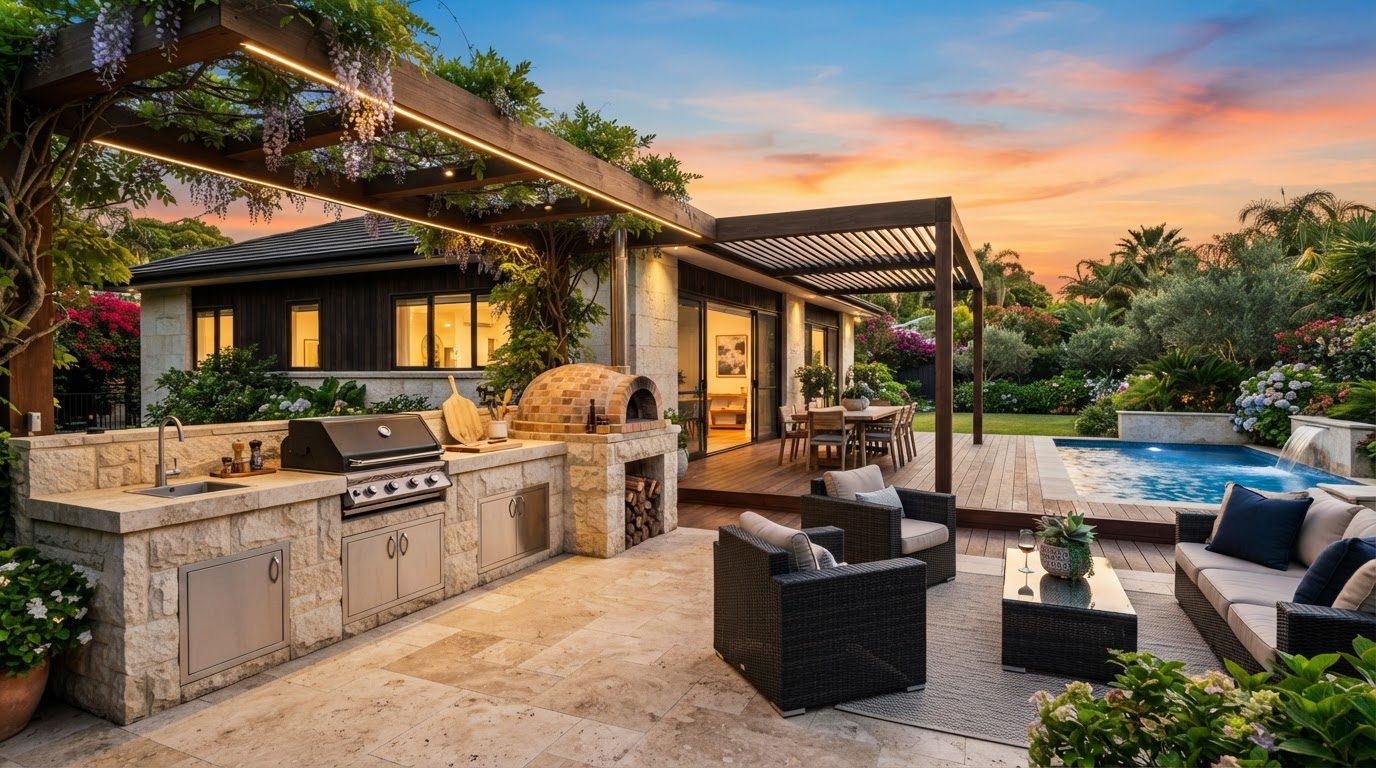
Outdoor Furniture Concept 07
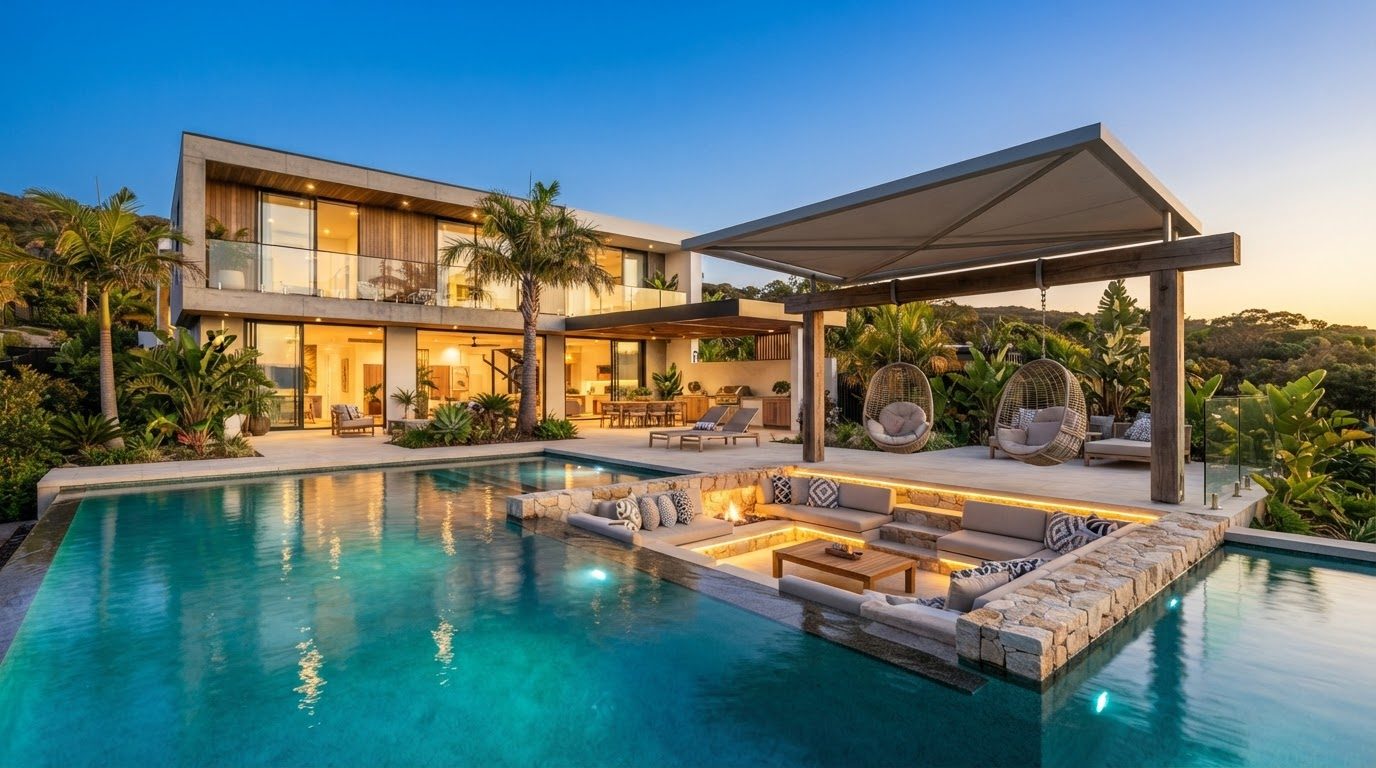
Outdoor Furniture Concept 08
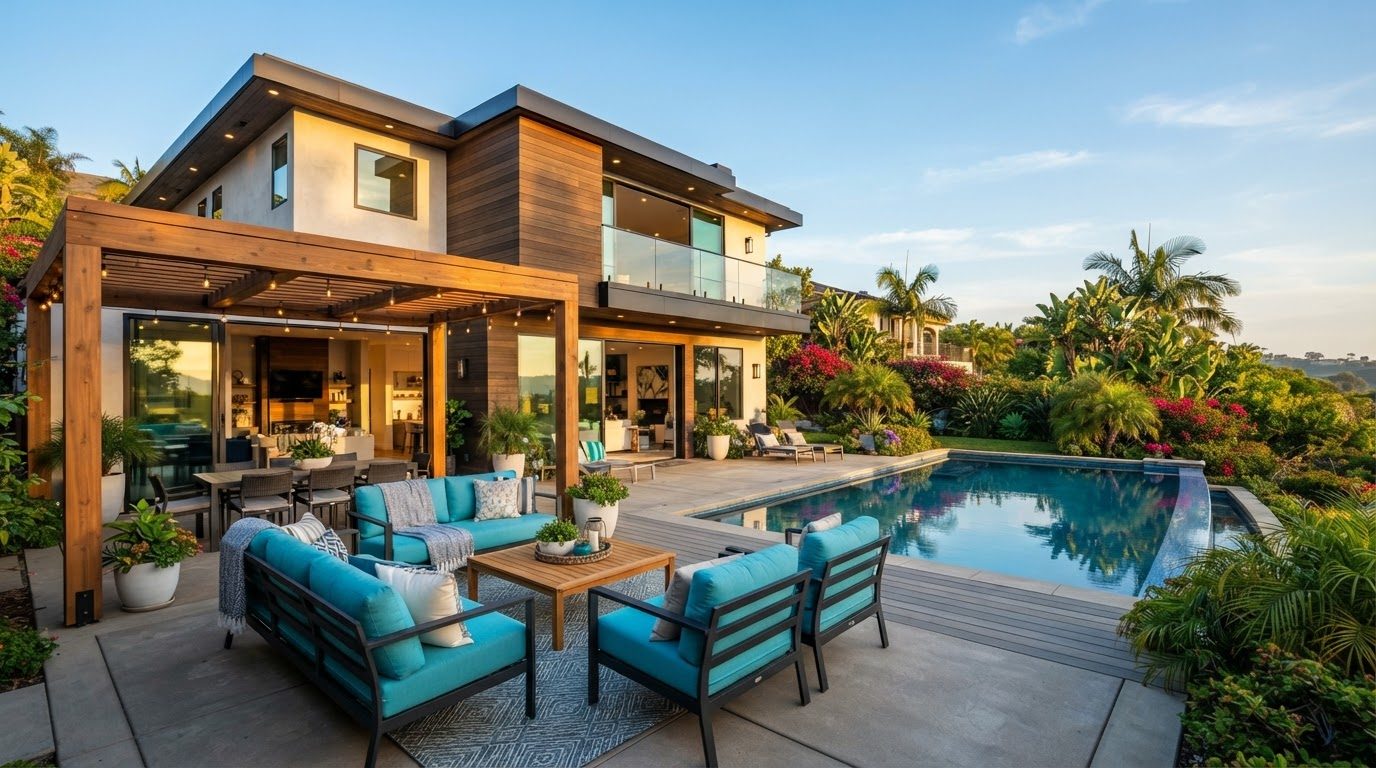
Outdoor Furniture Concept 09
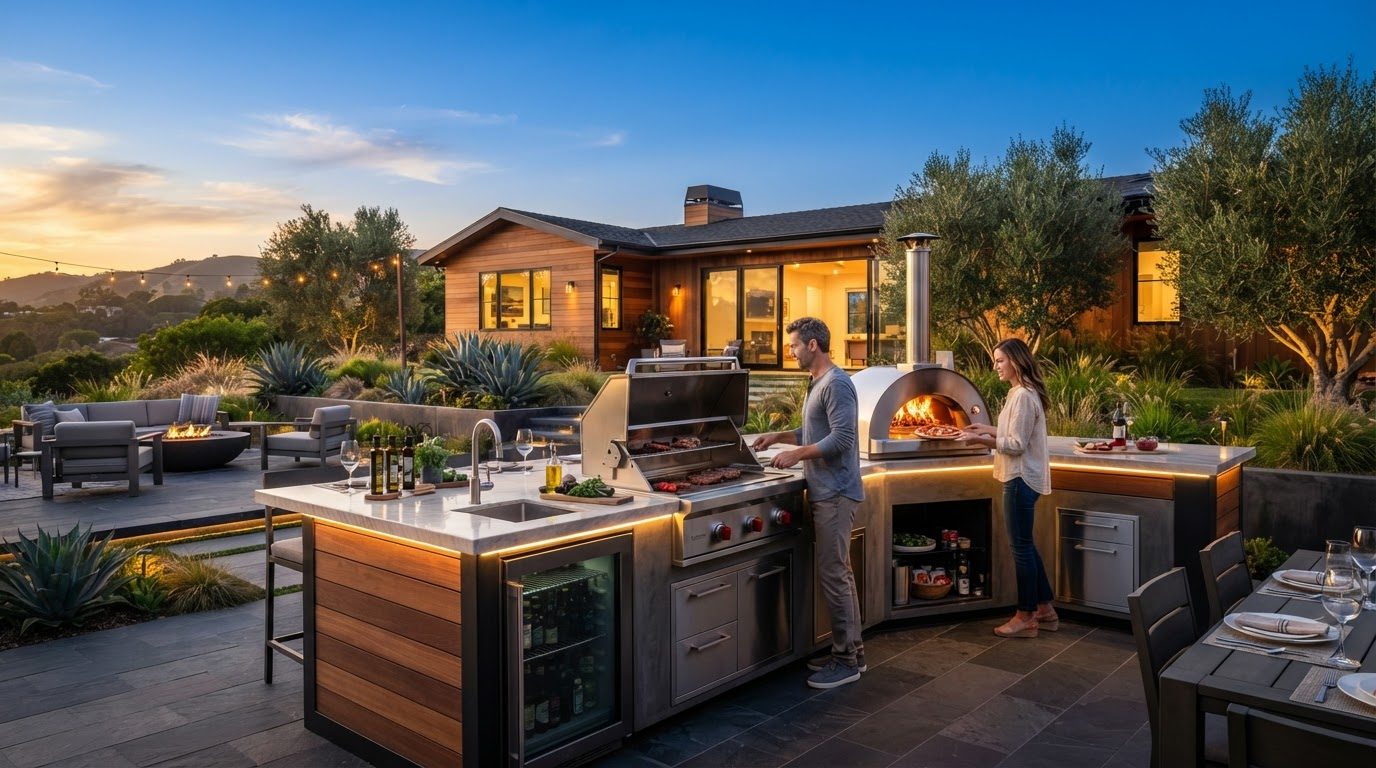
Outdoor Furniture Concept 10
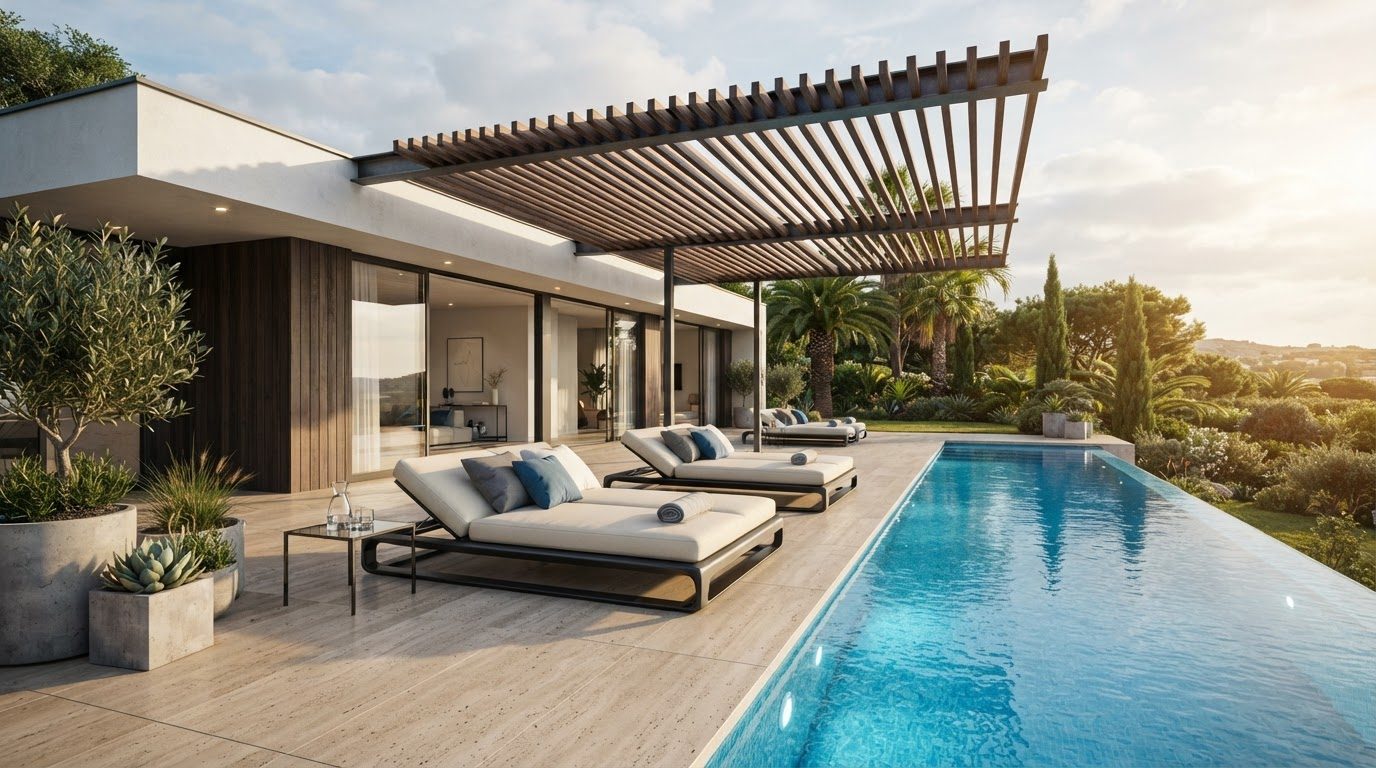
Outdoor Furniture Concept 11
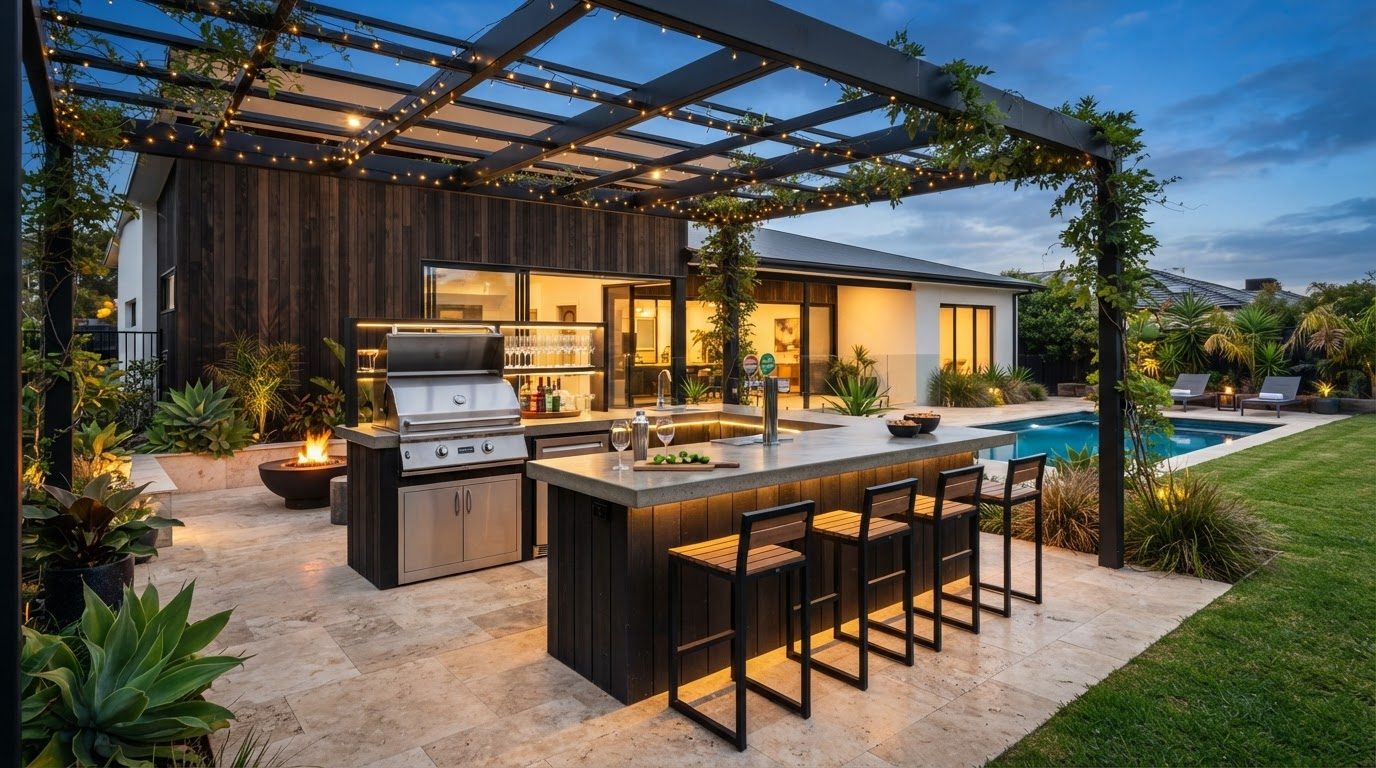
Outdoor Furniture Concept 12
Outdoor Furniture Concept 13
Outdoor Furniture Concept 14
Outdoor Furniture Concept 15
Outdoor Furniture Concept 16
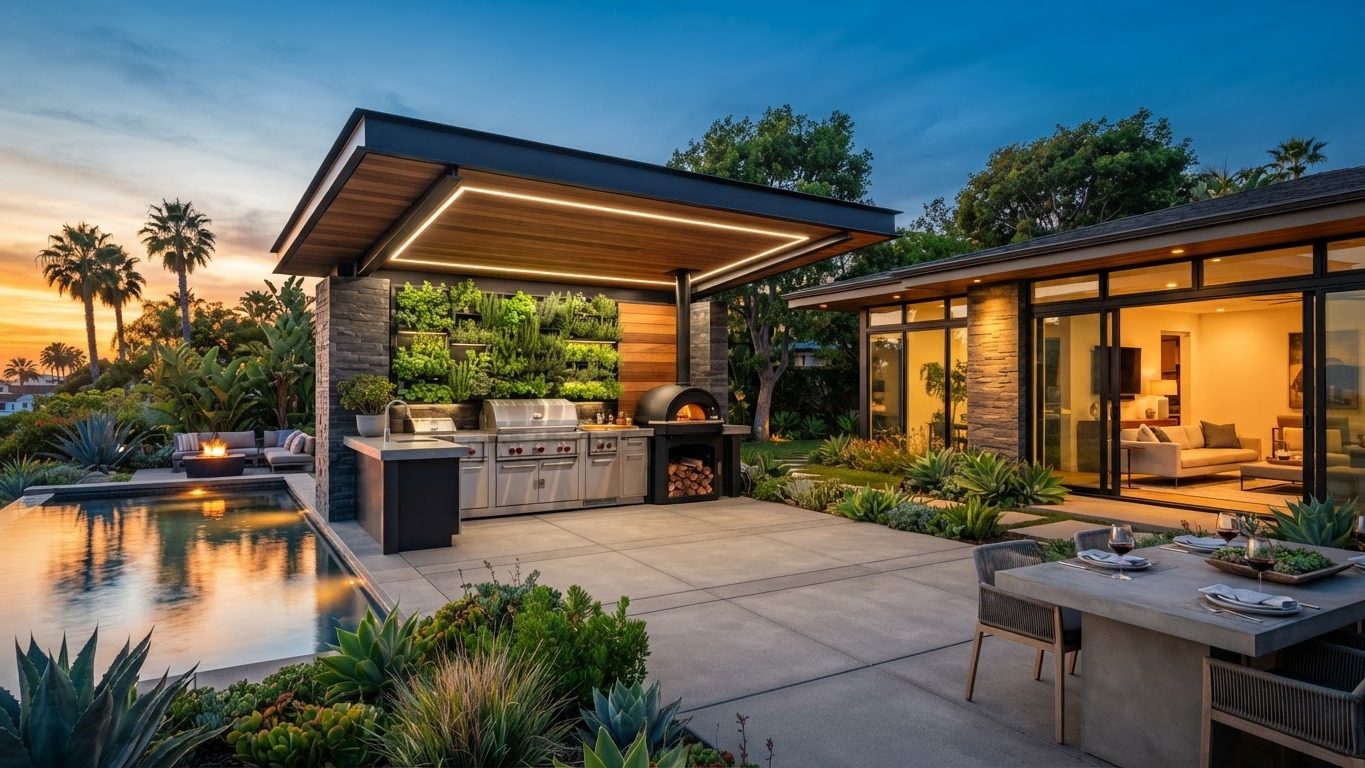
Outdoor Furniture Concept 17
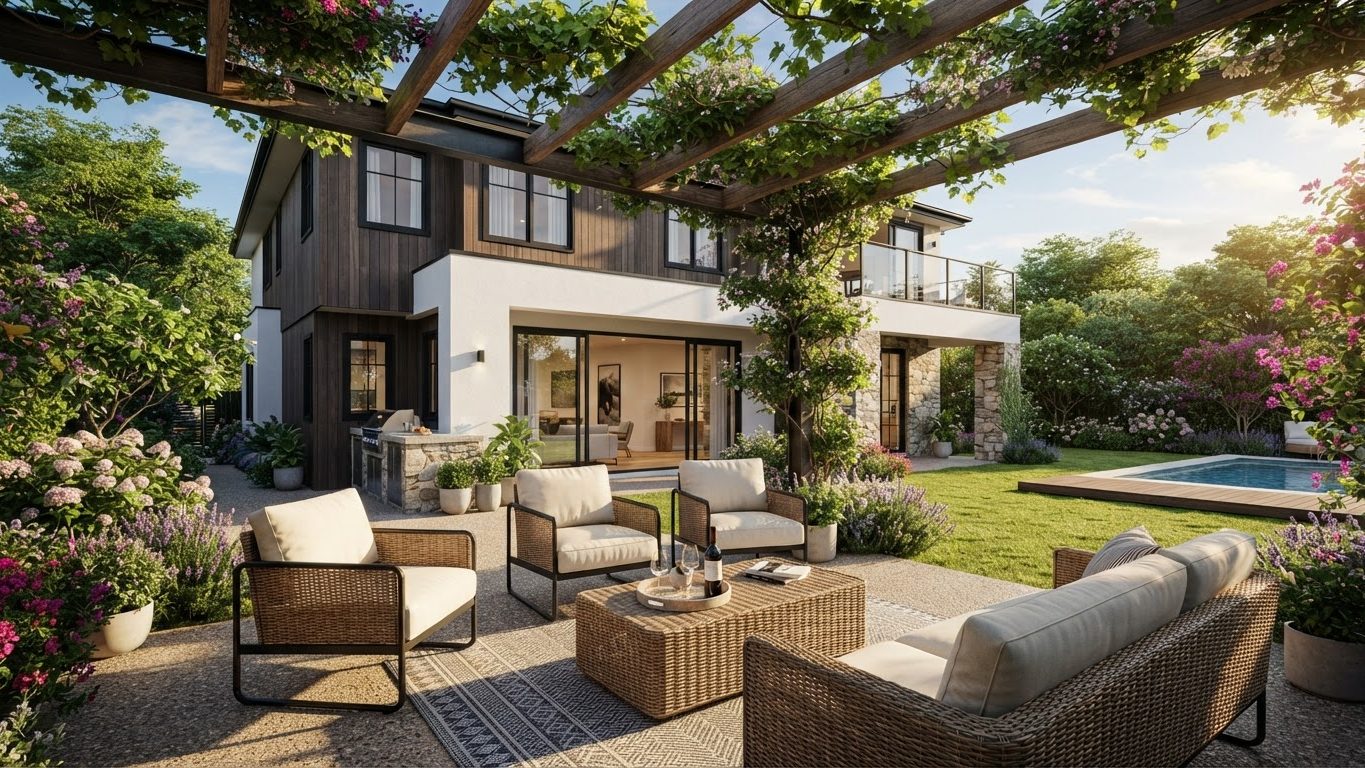
Outdoor Furniture Concept 18
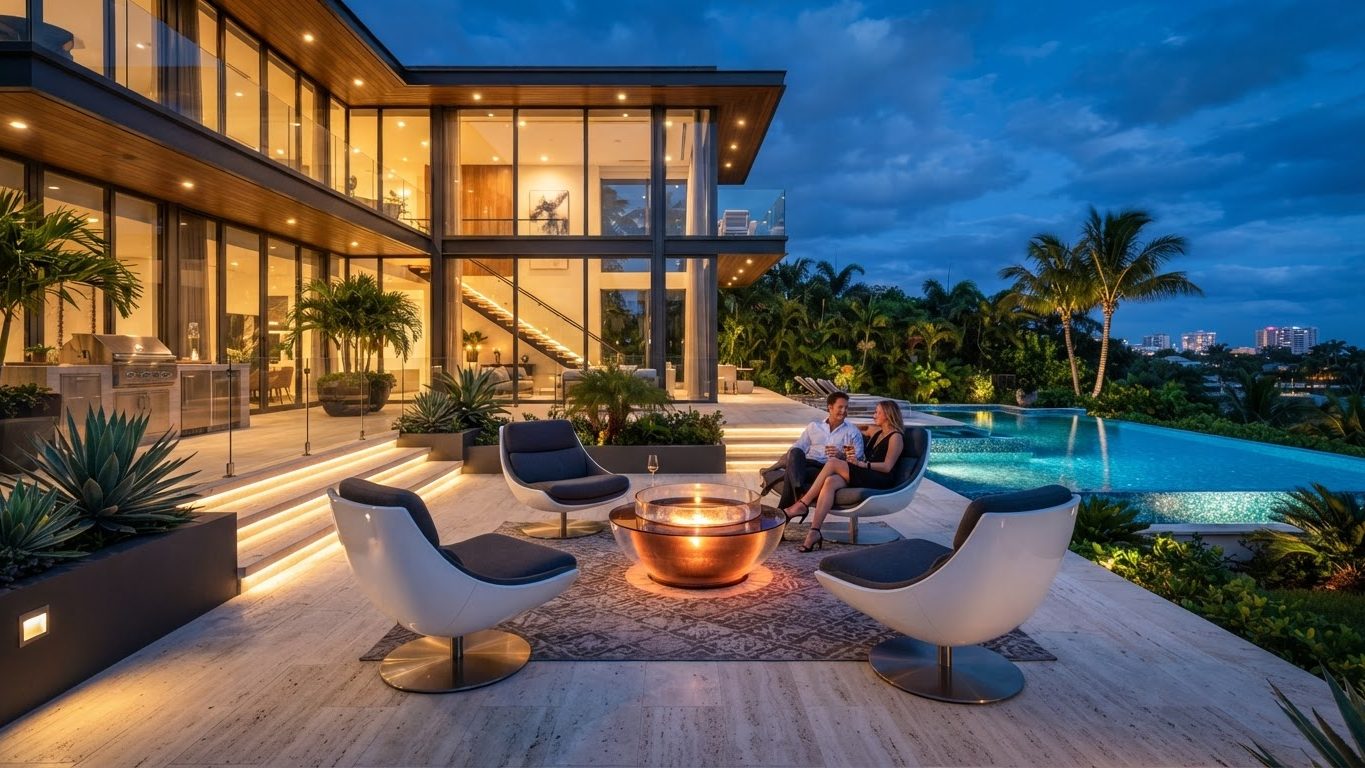
Outdoor Furniture Concept 19
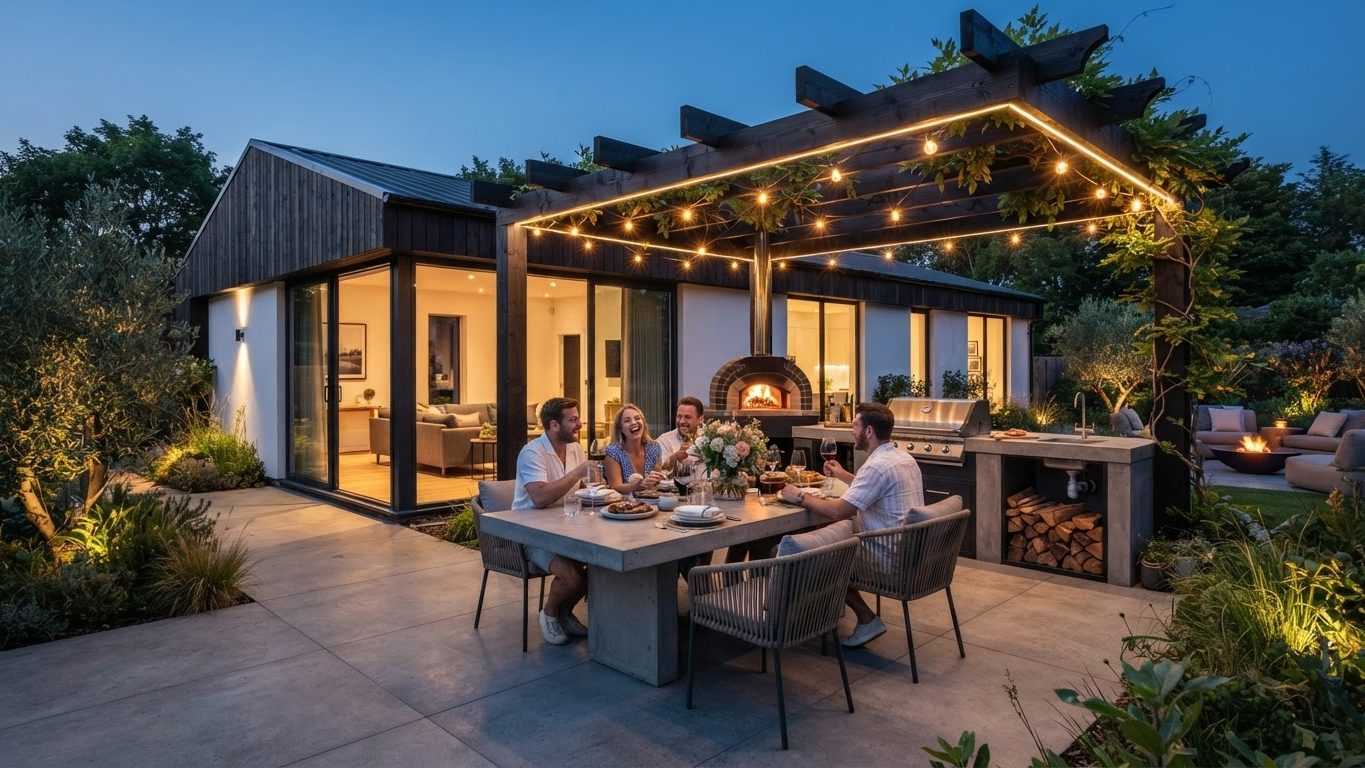
Outdoor Furniture Concept 20
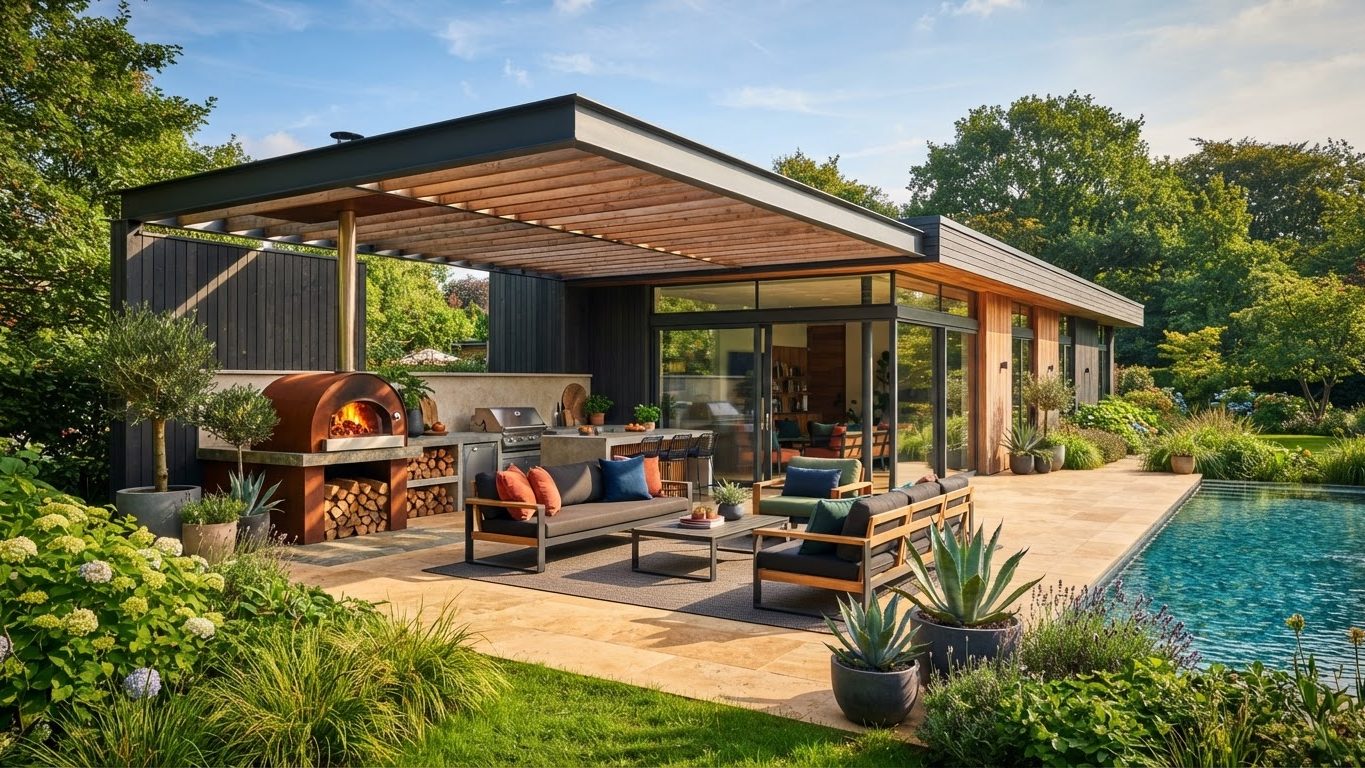
Outdoor Furniture Concept 21
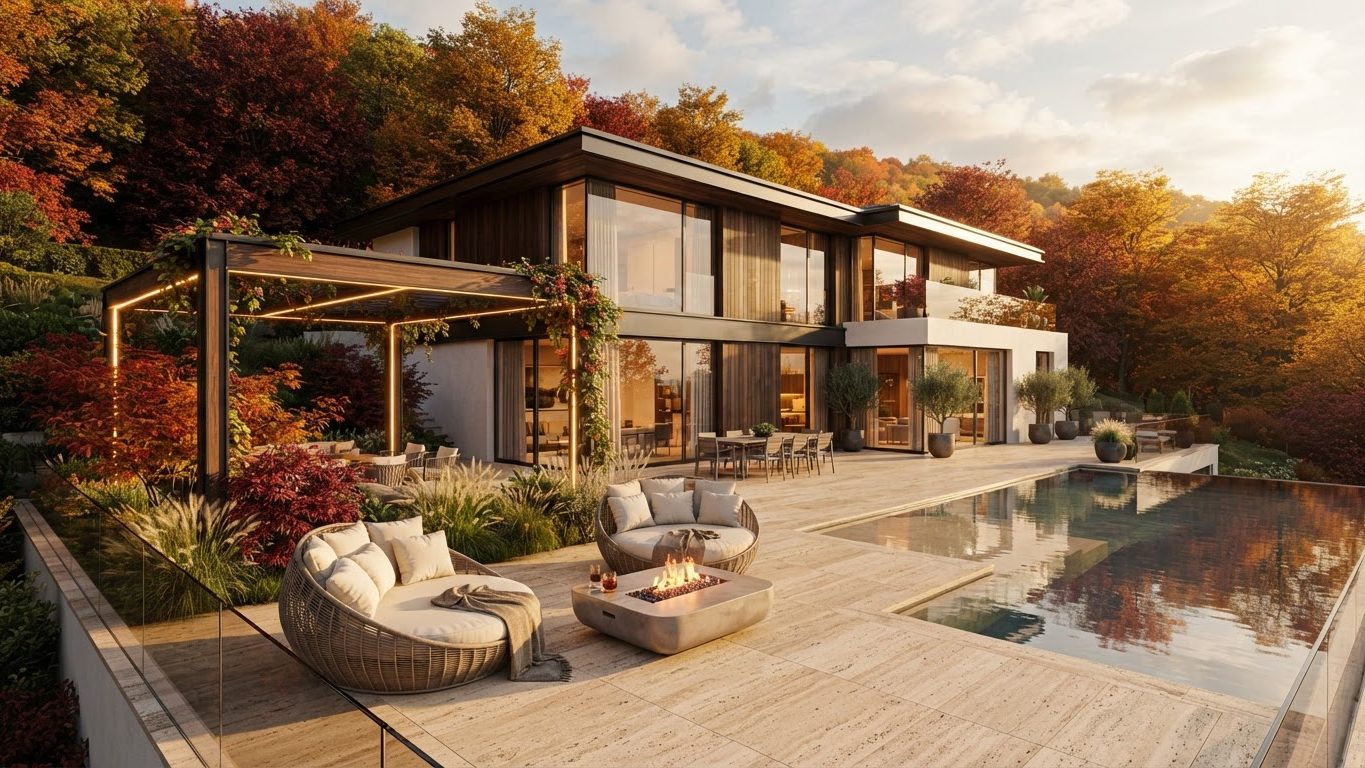
Outdoor Furniture Concept 22
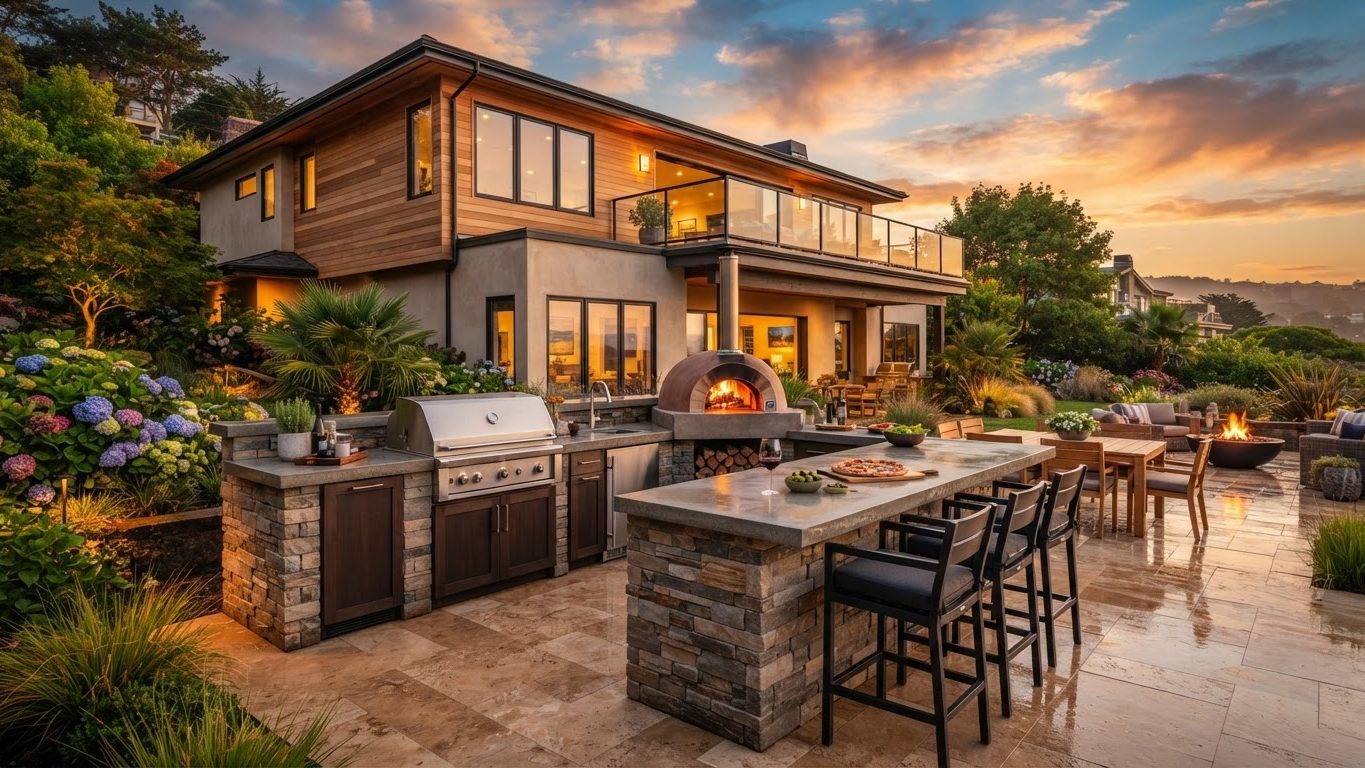
Outdoor Furniture Concept 23
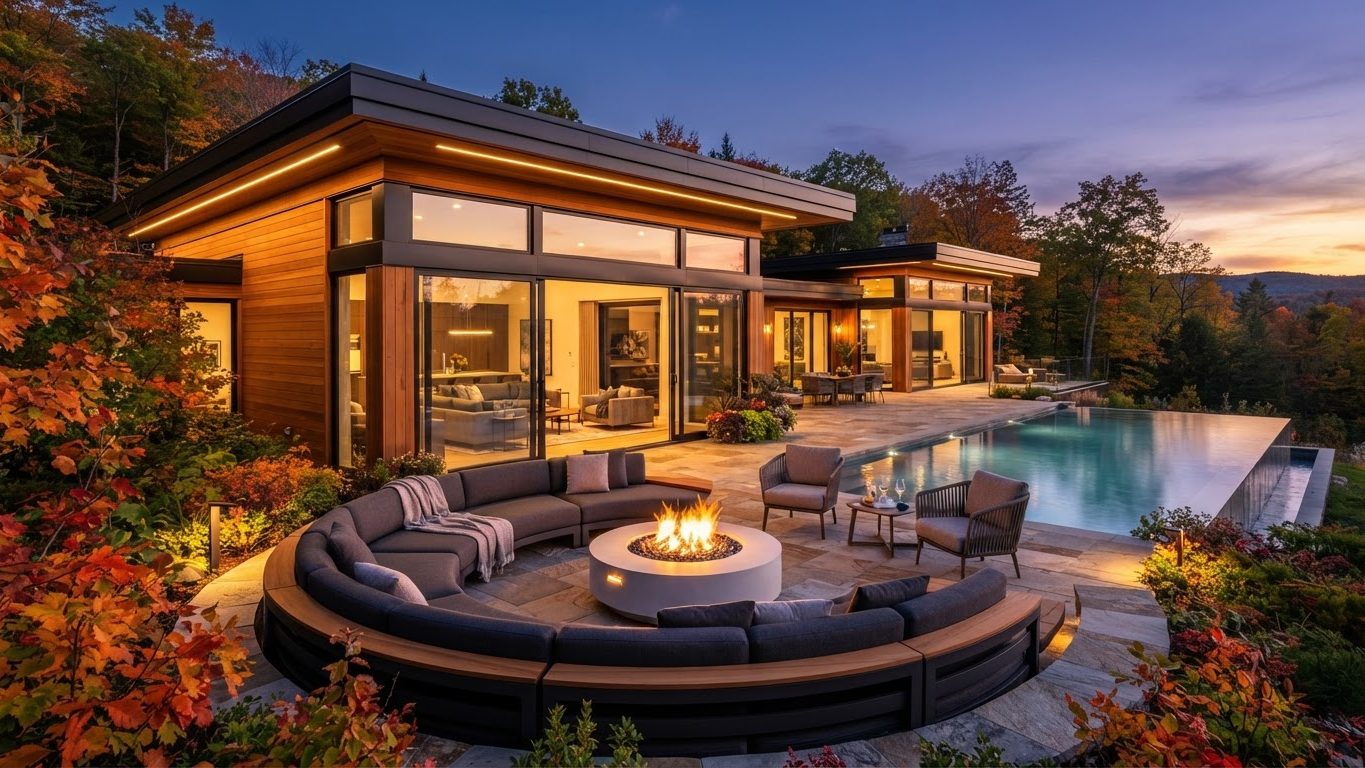
Outdoor Furniture Concept 24
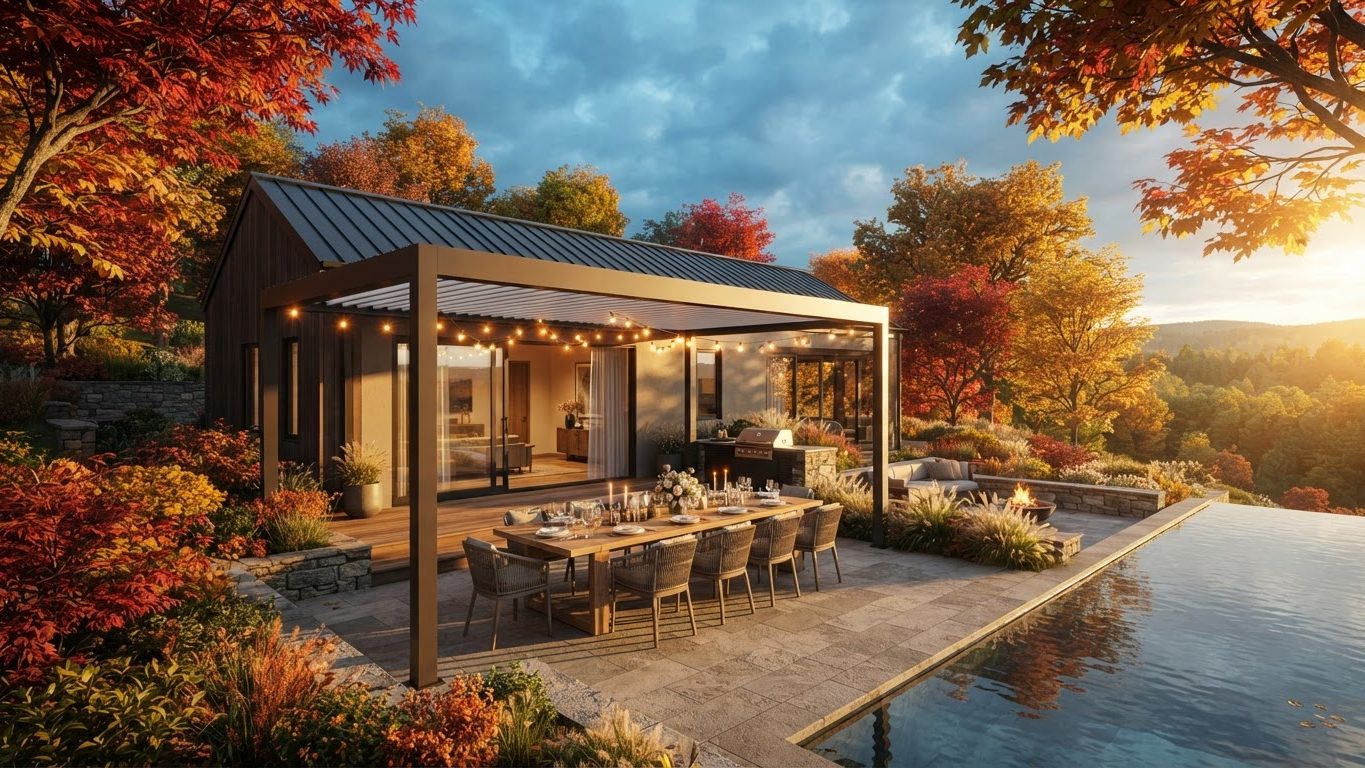
Outdoor Furniture Concept 25

Outdoor Furniture Concept 26
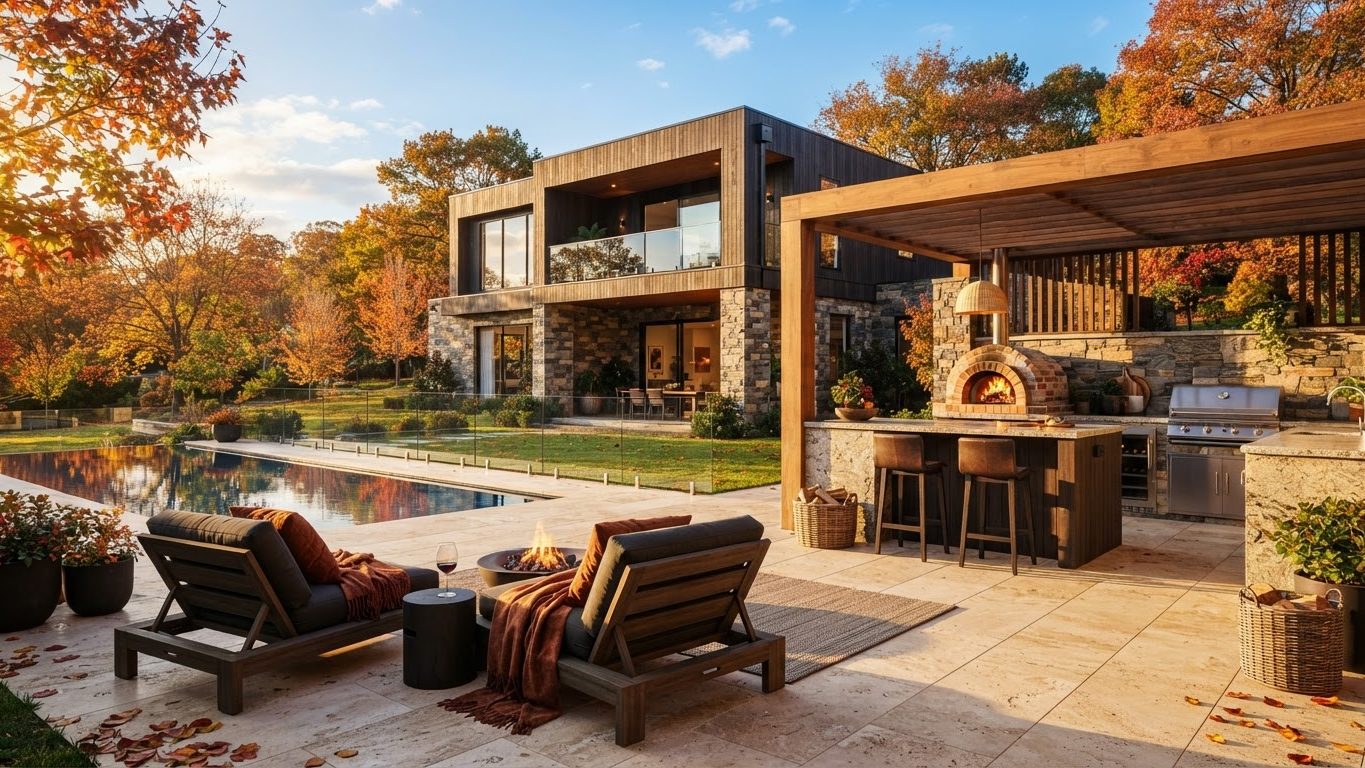
Outdoor Furniture Concept 27

Outdoor Furniture Concept 28
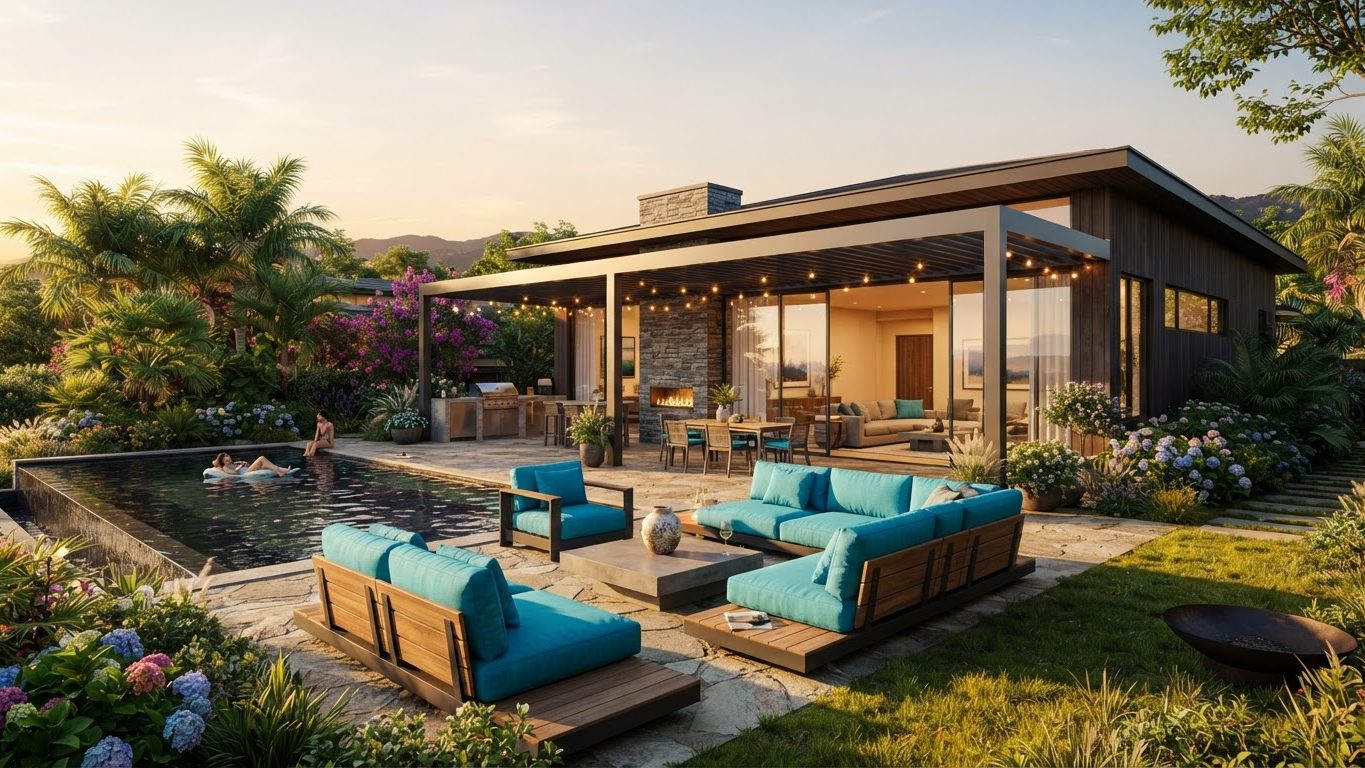
Outdoor Furniture Concept 29
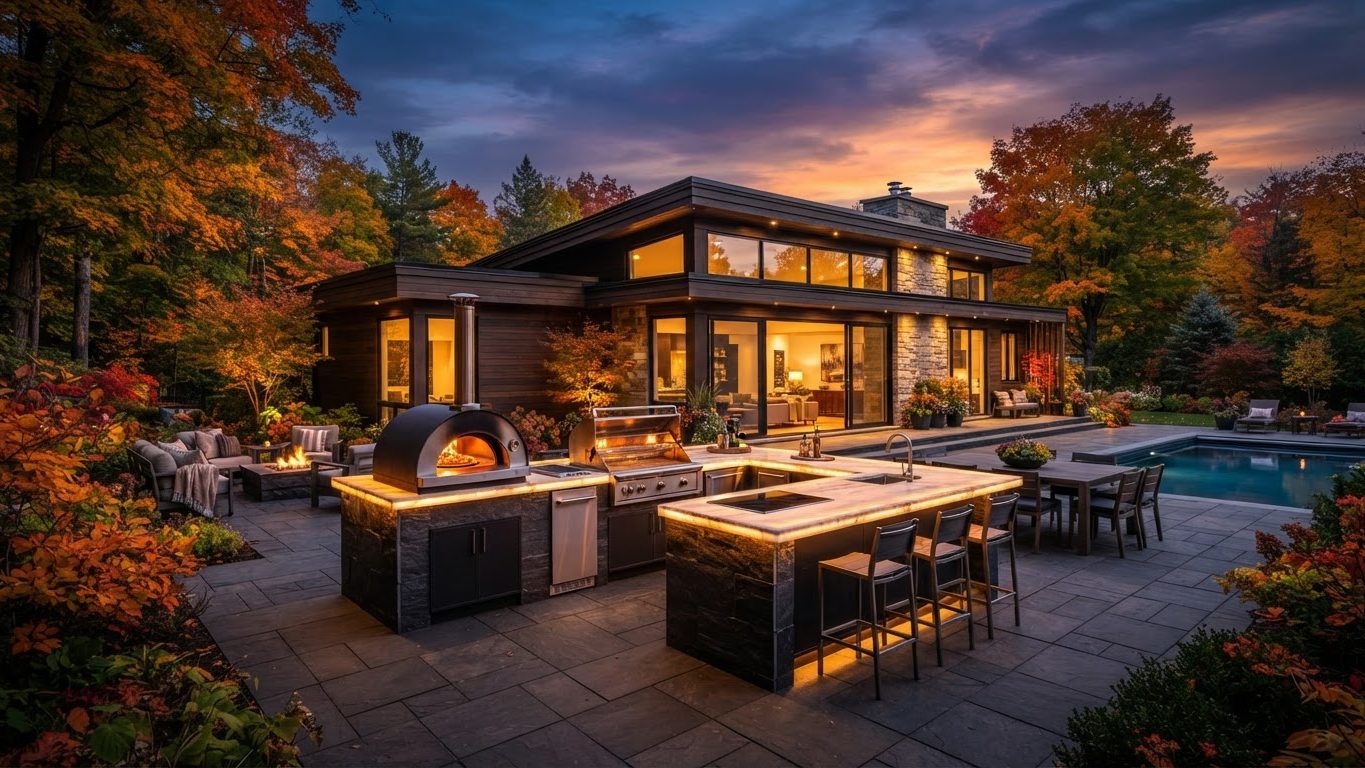
Outdoor Furniture Concept 30

Outdoor Furniture Concept 31
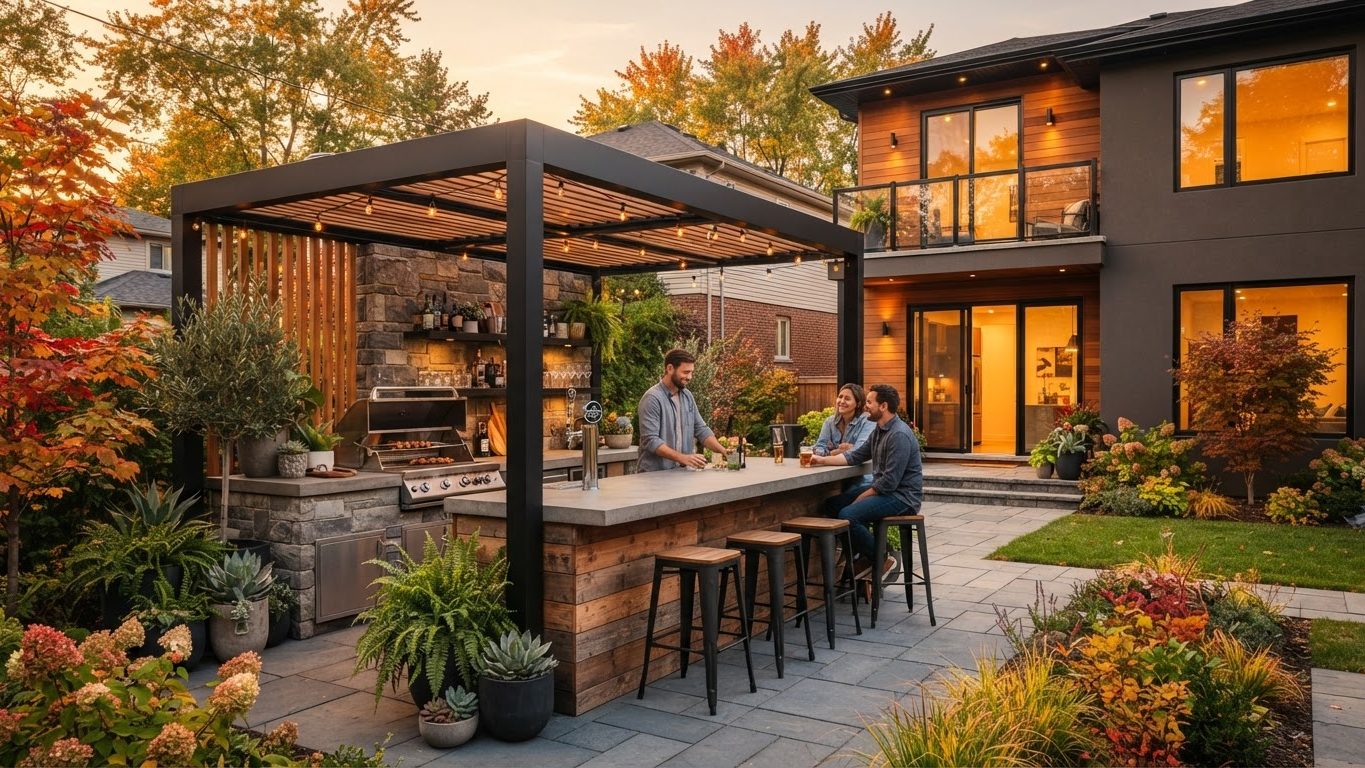
Outdoor Furniture Concept 32
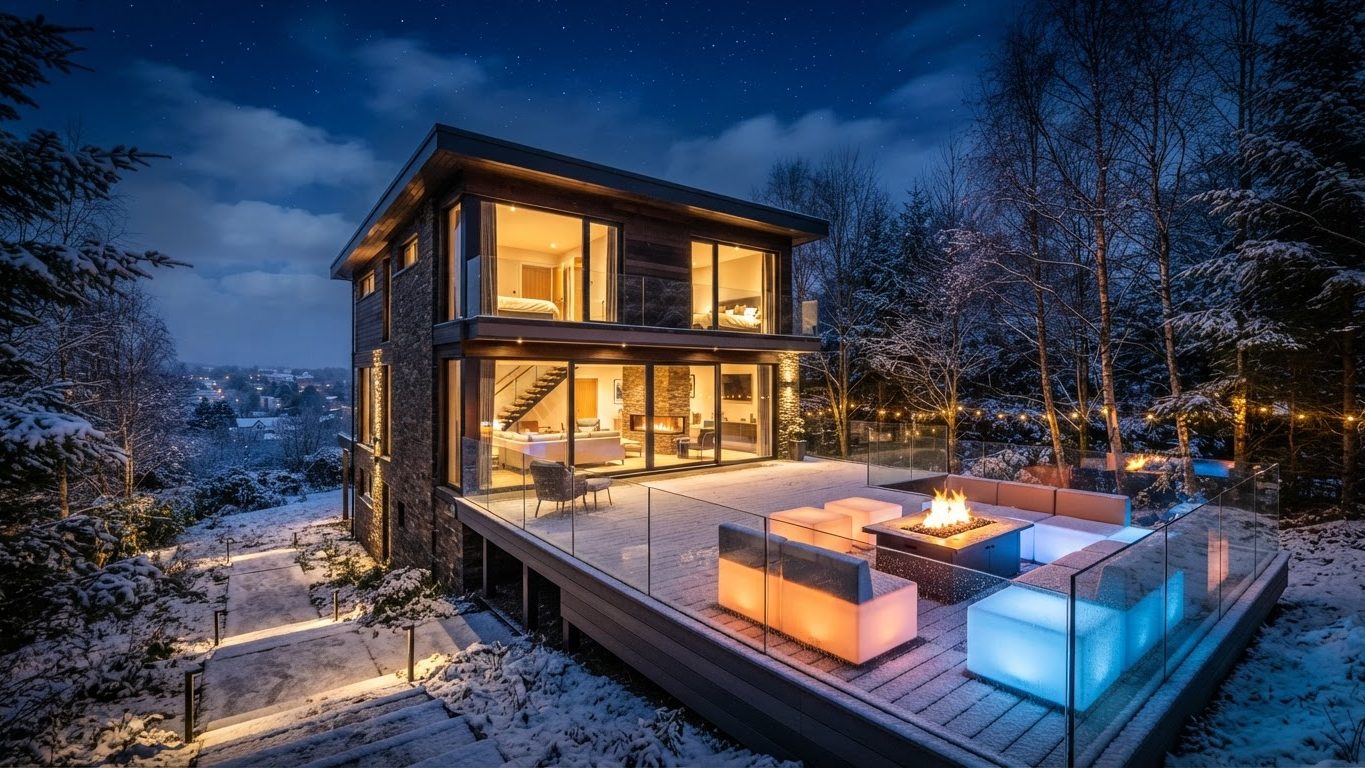
Outdoor Furniture Concept 33
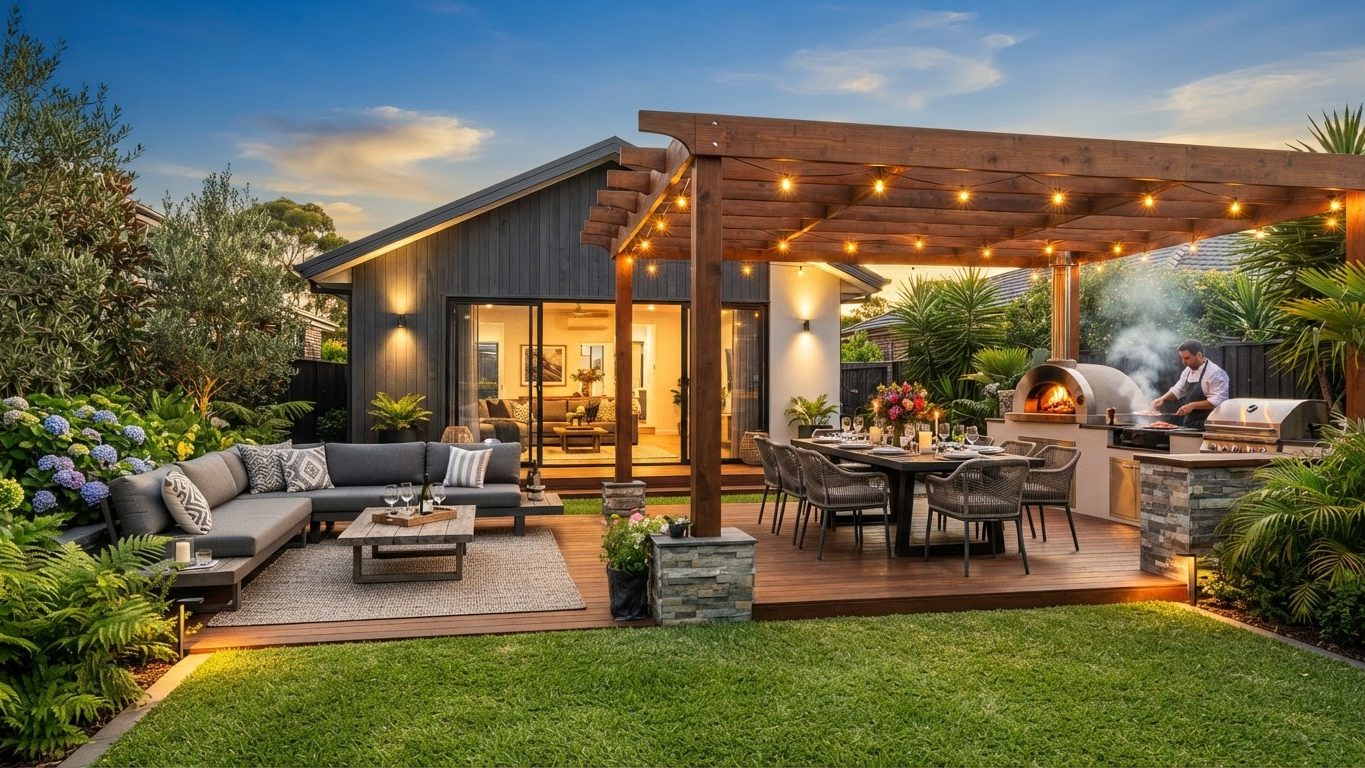
Outdoor Furniture Concept 34
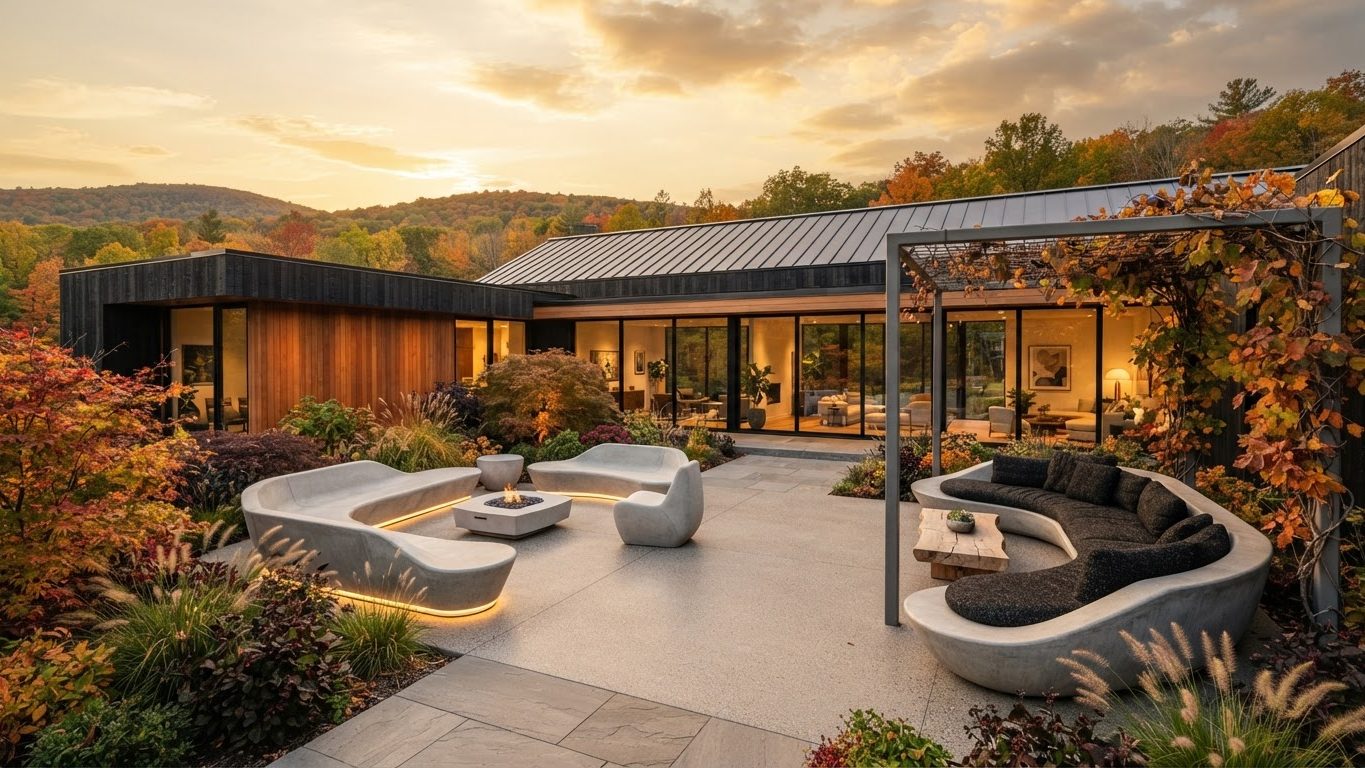
Outdoor Furniture Concept 35
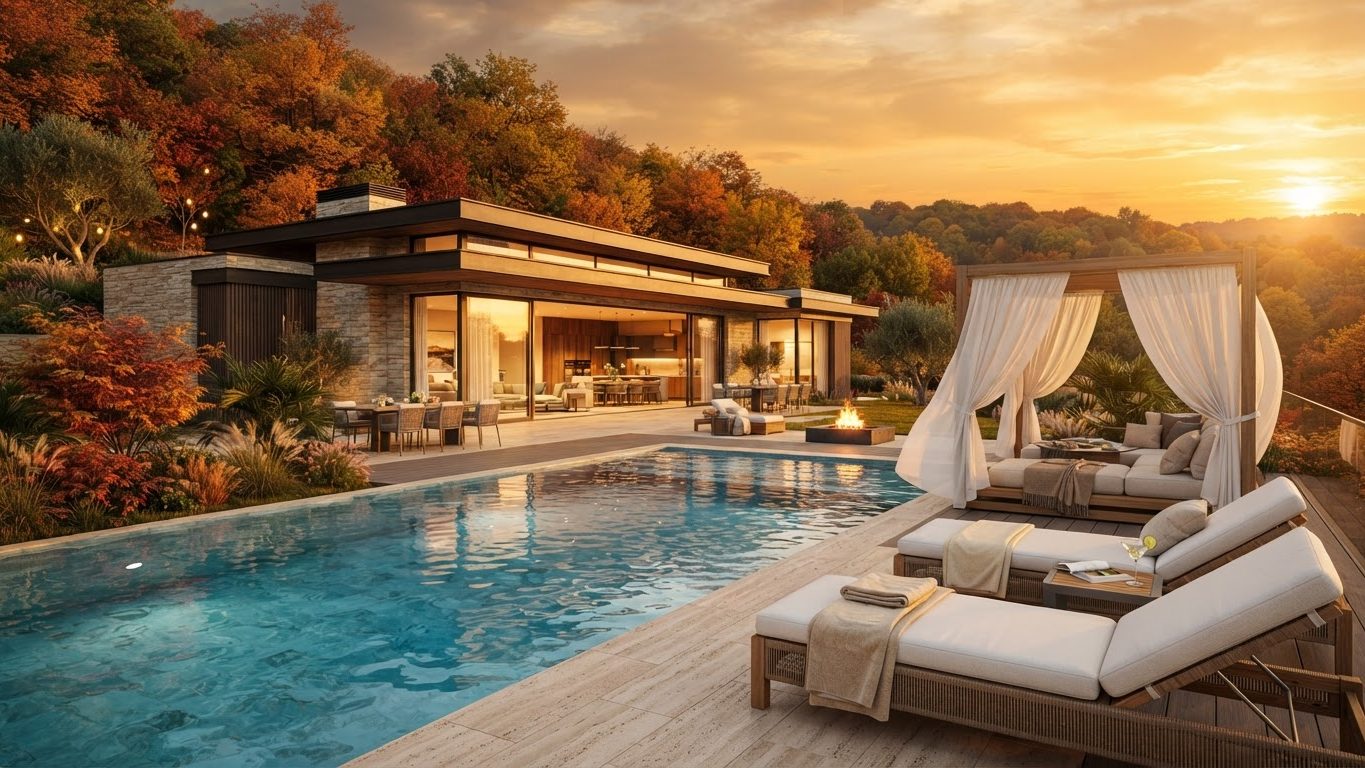
Outdoor Furniture Concept 36
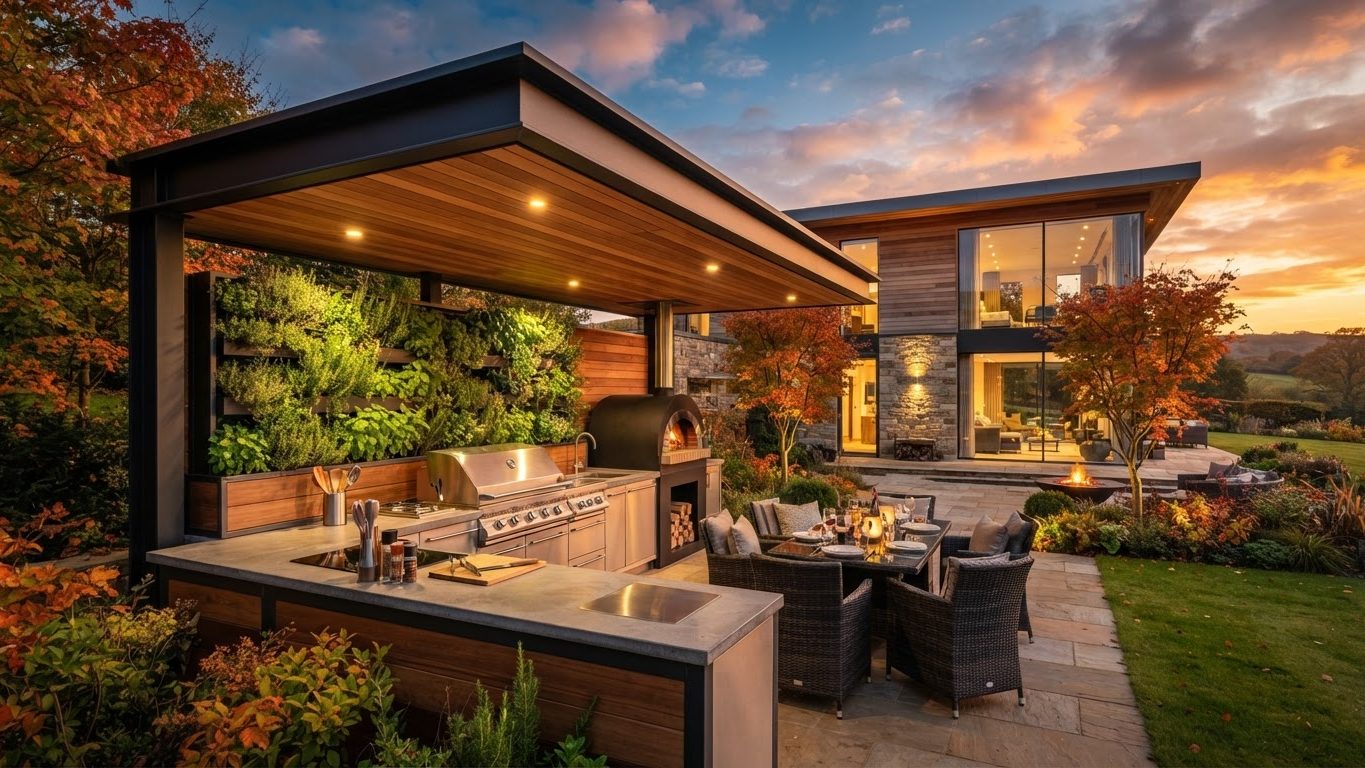
Outdoor Furniture Concept 37
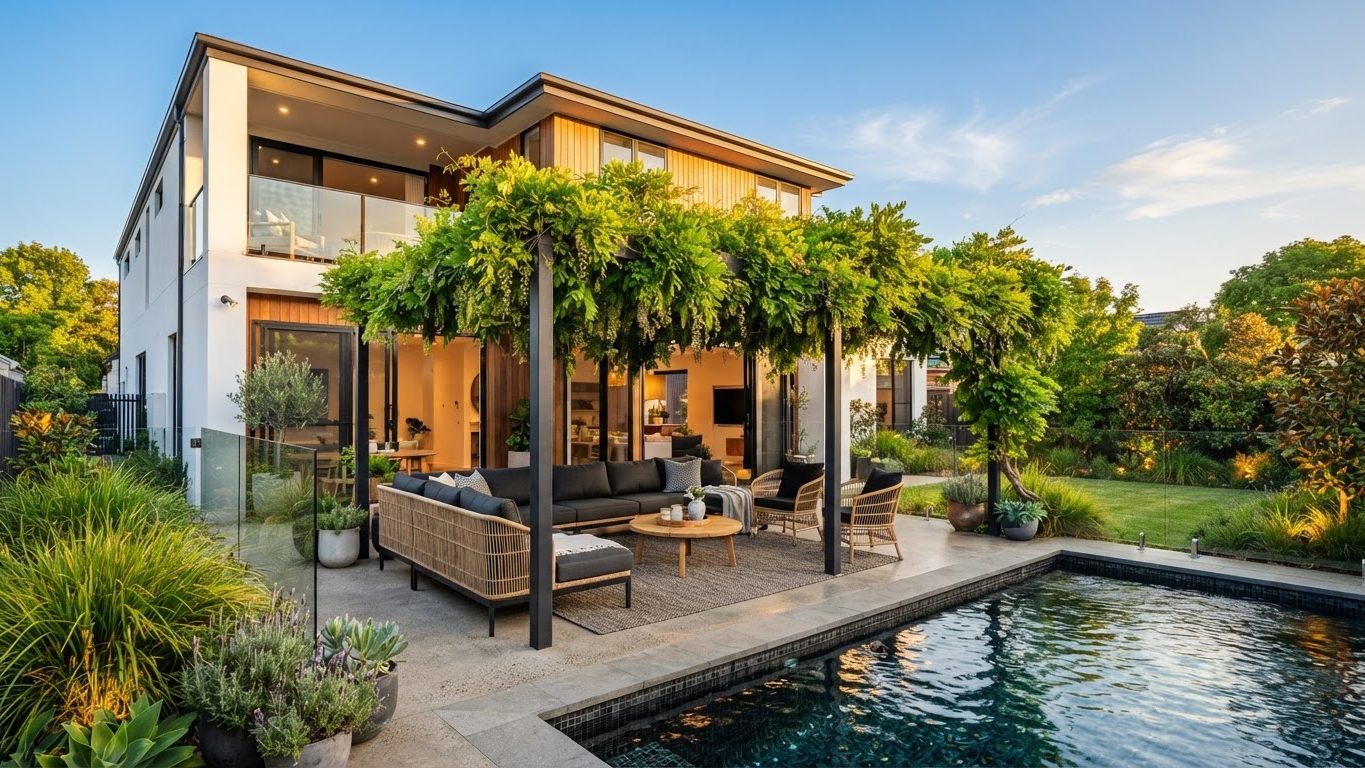
Outdoor Furniture Concept 38

Outdoor Furniture Concept 39
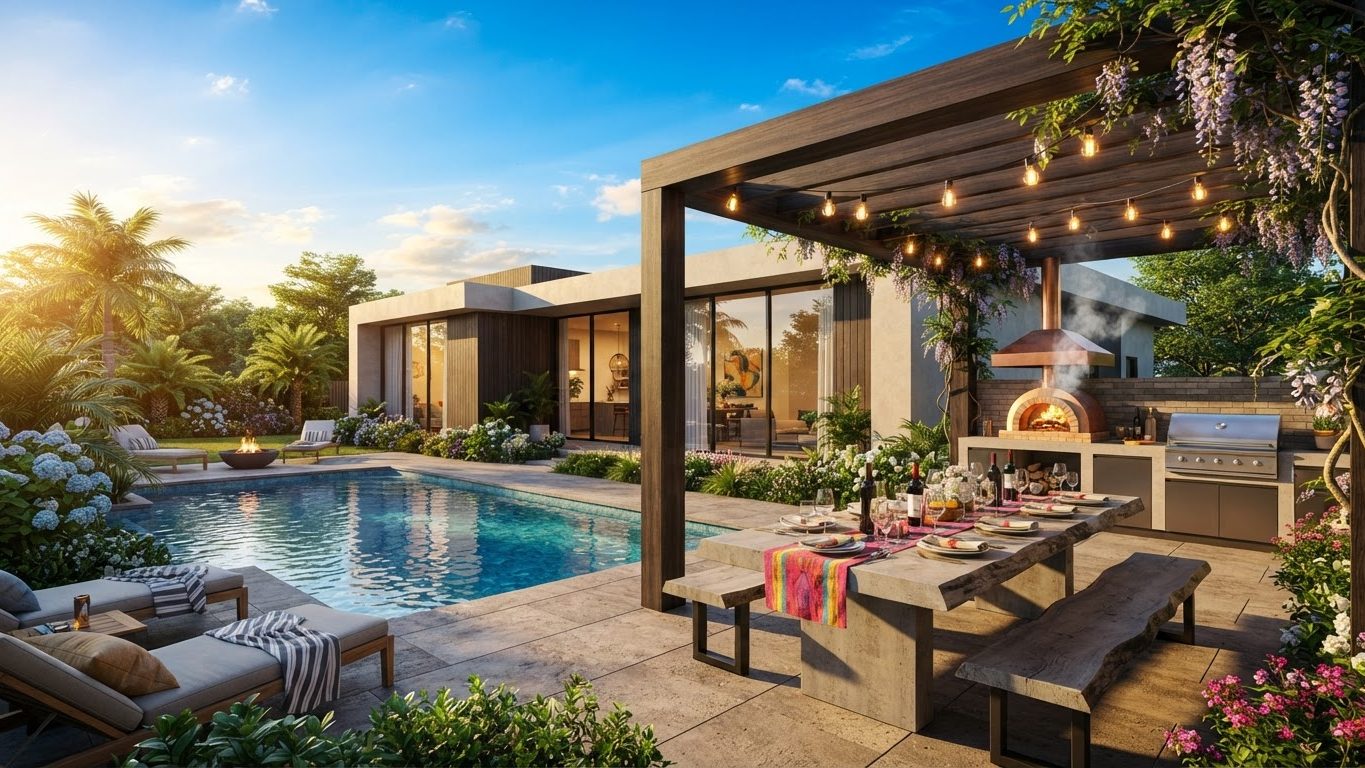
Outdoor Furniture Concept 40
Full feature article · Pergolas & Patios
The Importance of Shade and Cover in Backyard Home Designs
Pergolas and patios turn an unusable backyard into a space you enjoy all year — shade, style, protection for furniture, and a home for dining and cooking zones.
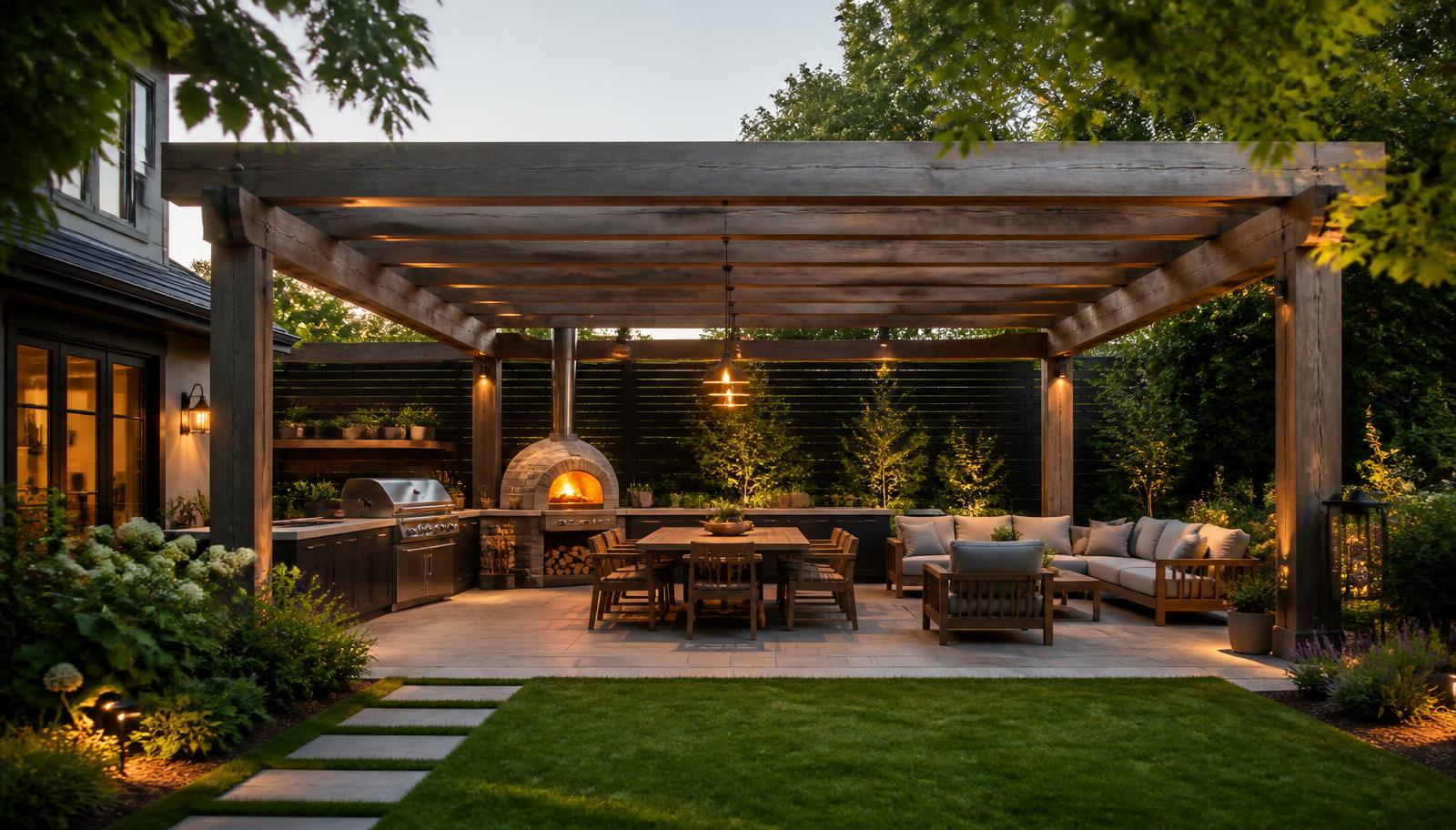
The single change that transforms most backyards is not planting, paving or a pool. It is cover. A backyard without shade is used for a few hours on mild days; the same backyard with a well built pergola or patio becomes the room the family lives in from spring through to the middle of winter. Cover is what converts outdoor area into outdoor living.
Shade also protects the investment already sitting outside. Ultraviolet light destroys cushions, timber finishes, outdoor rugs, televisions and barbecues far faster than rain does. Furniture under a solid roof lasts several times longer than the same furniture in the open, which means the cover often pays for itself in replacement costs alone before any comfort is counted.
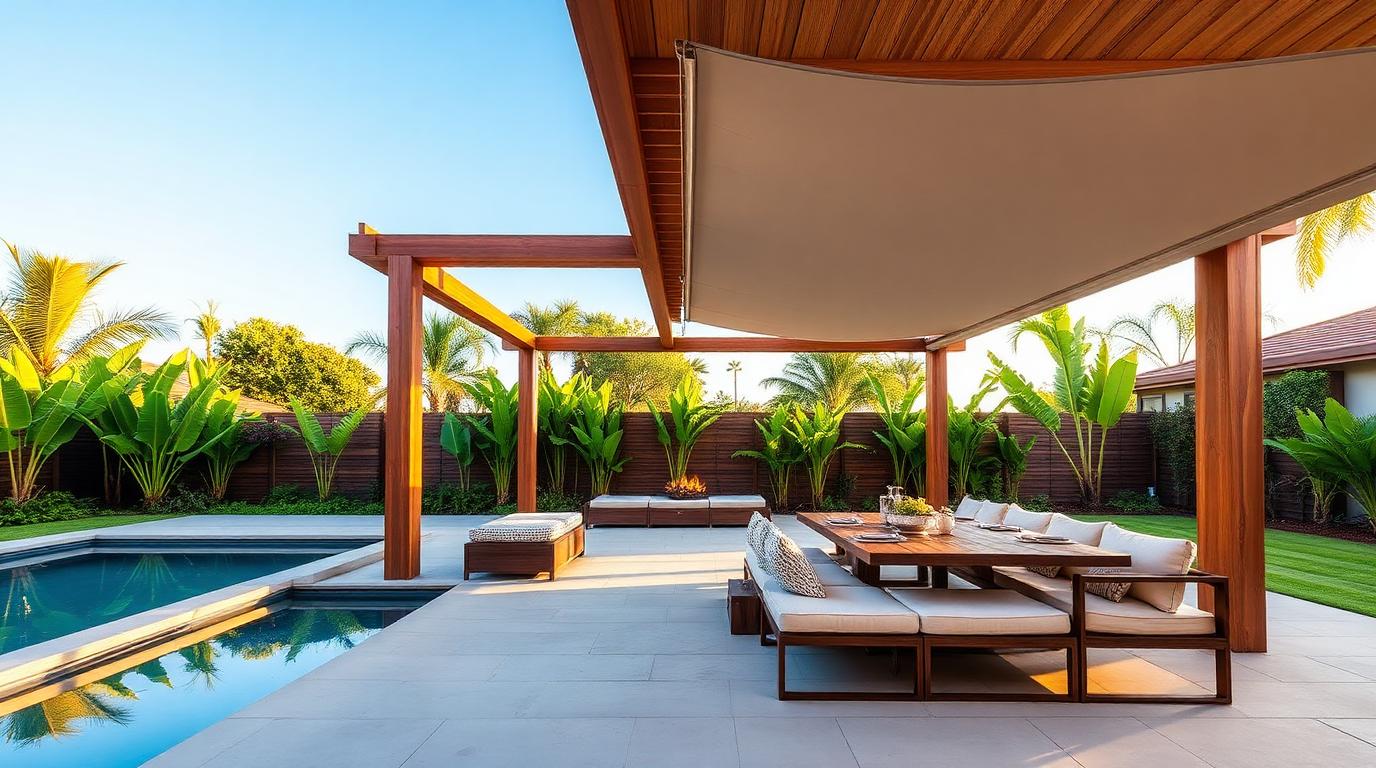
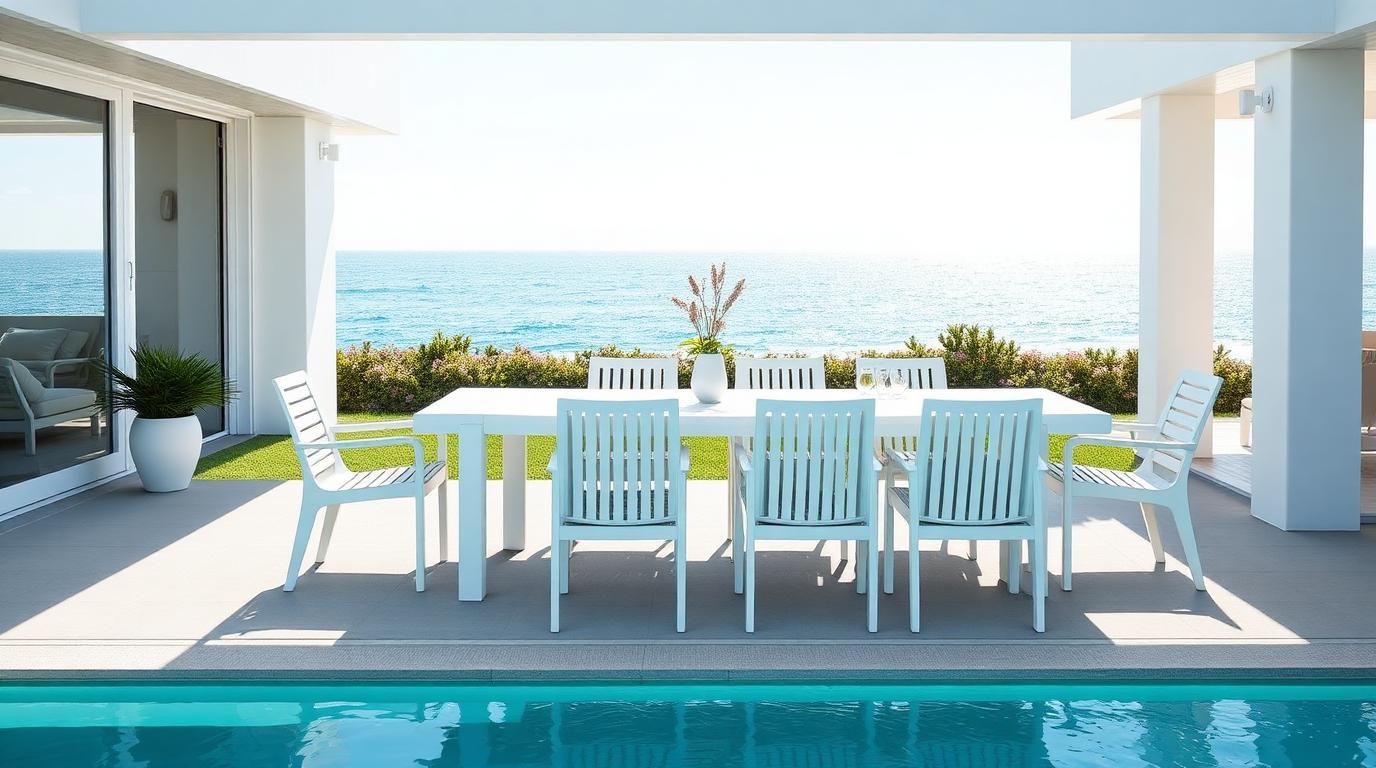
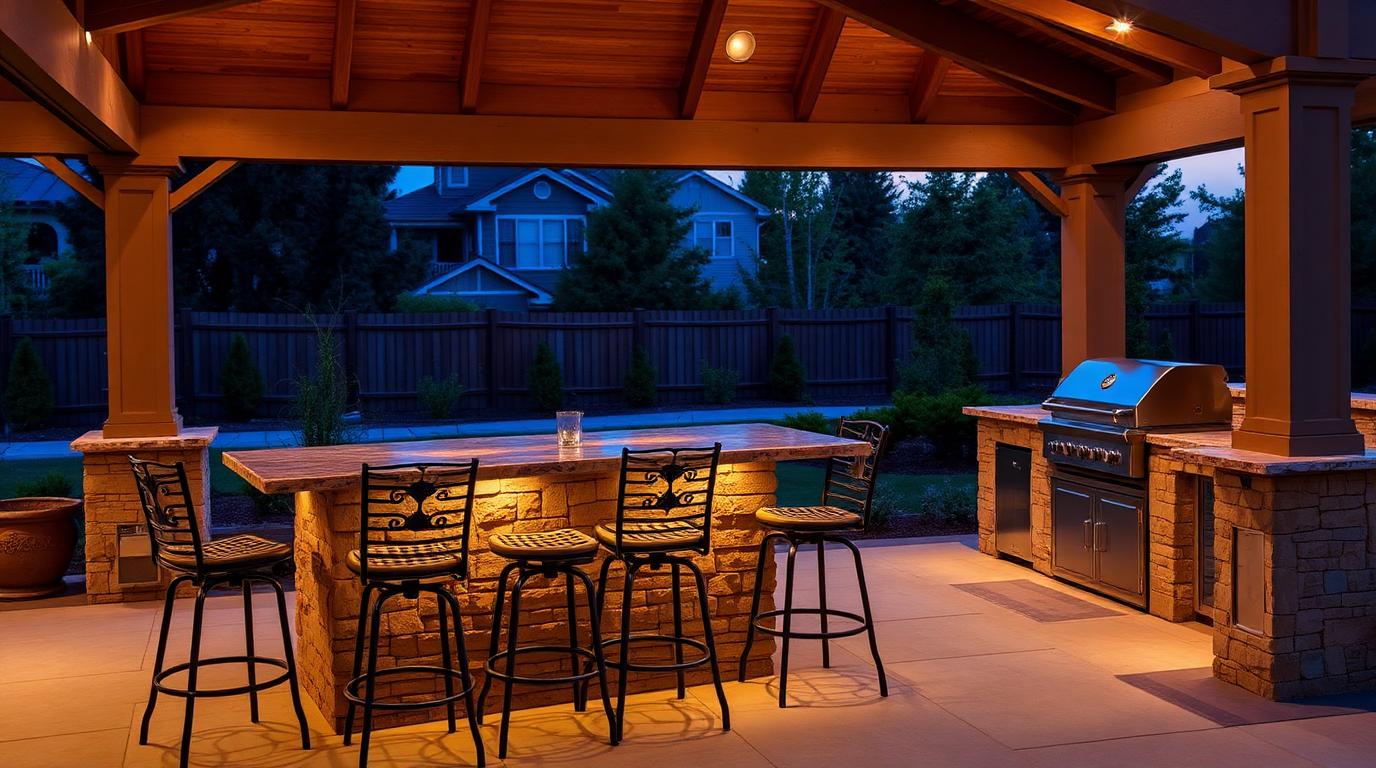
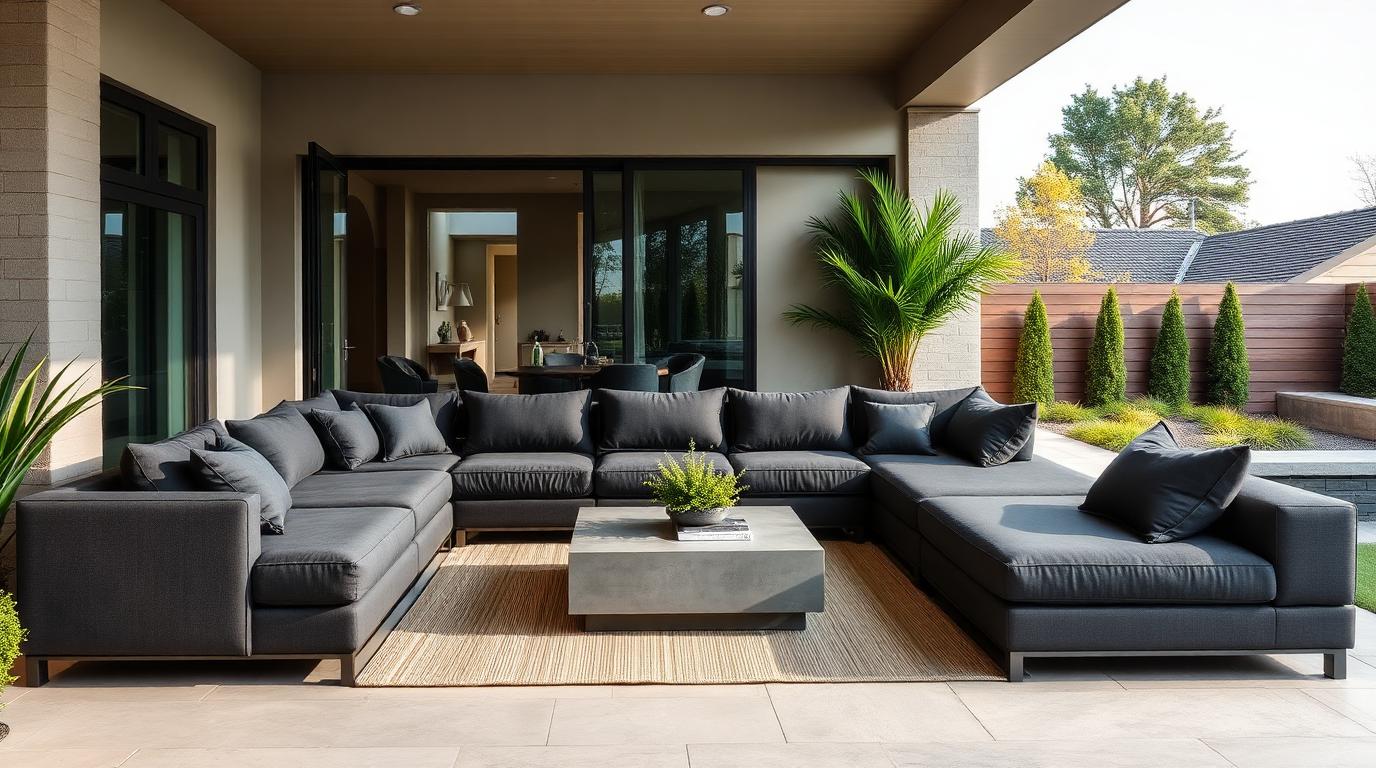
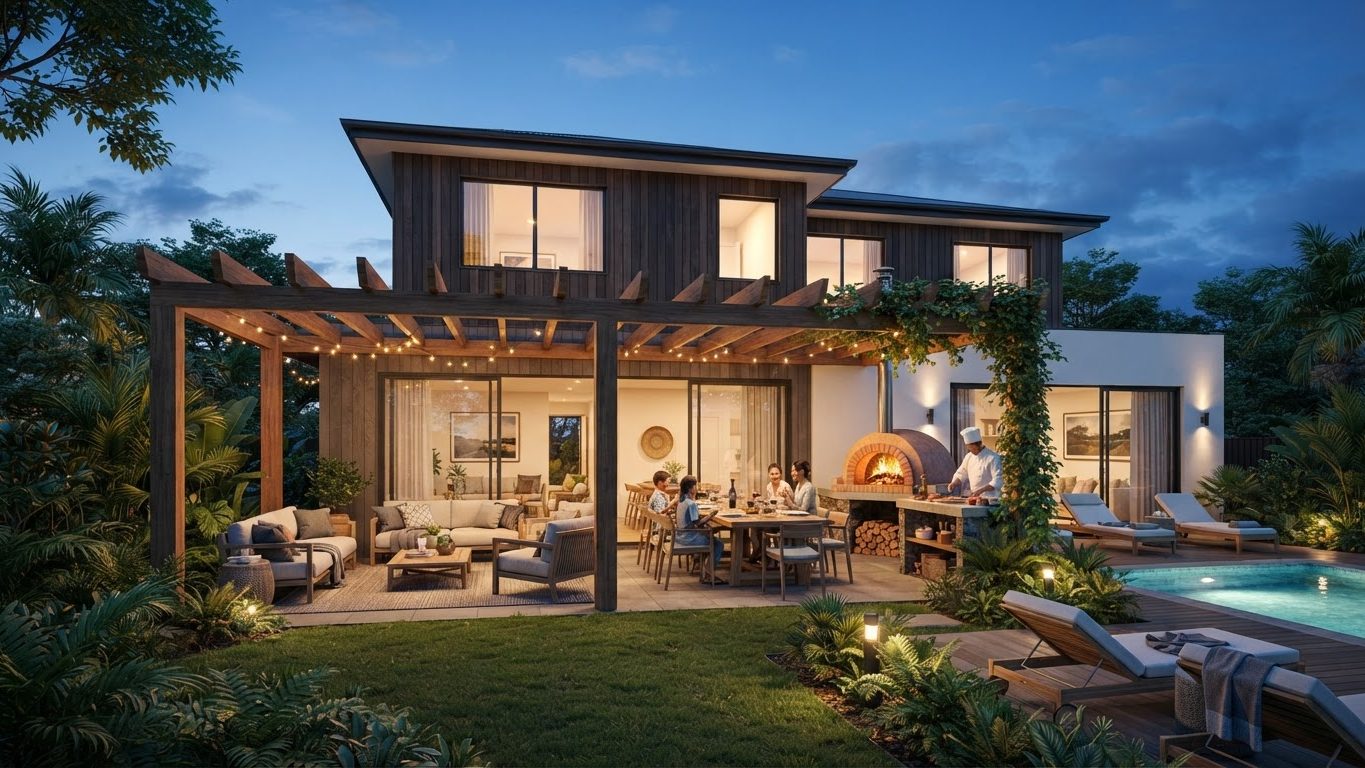
Choosing the structure is a decision about light. A slatted or louvred pergola casts a moving pattern and keeps the space bright, which suits dining areas and pool surrounds. A solid insulated roof creates genuine all weather cover for a kitchen, lounge or television zone, at the cost of some light to the windows behind it. Glass or polycarbonate keeps winter light in while stopping the rain, and needs shade cloth or planting above it to be tolerable in summer. Many of the best backyards use two structures with different roofs for different jobs.
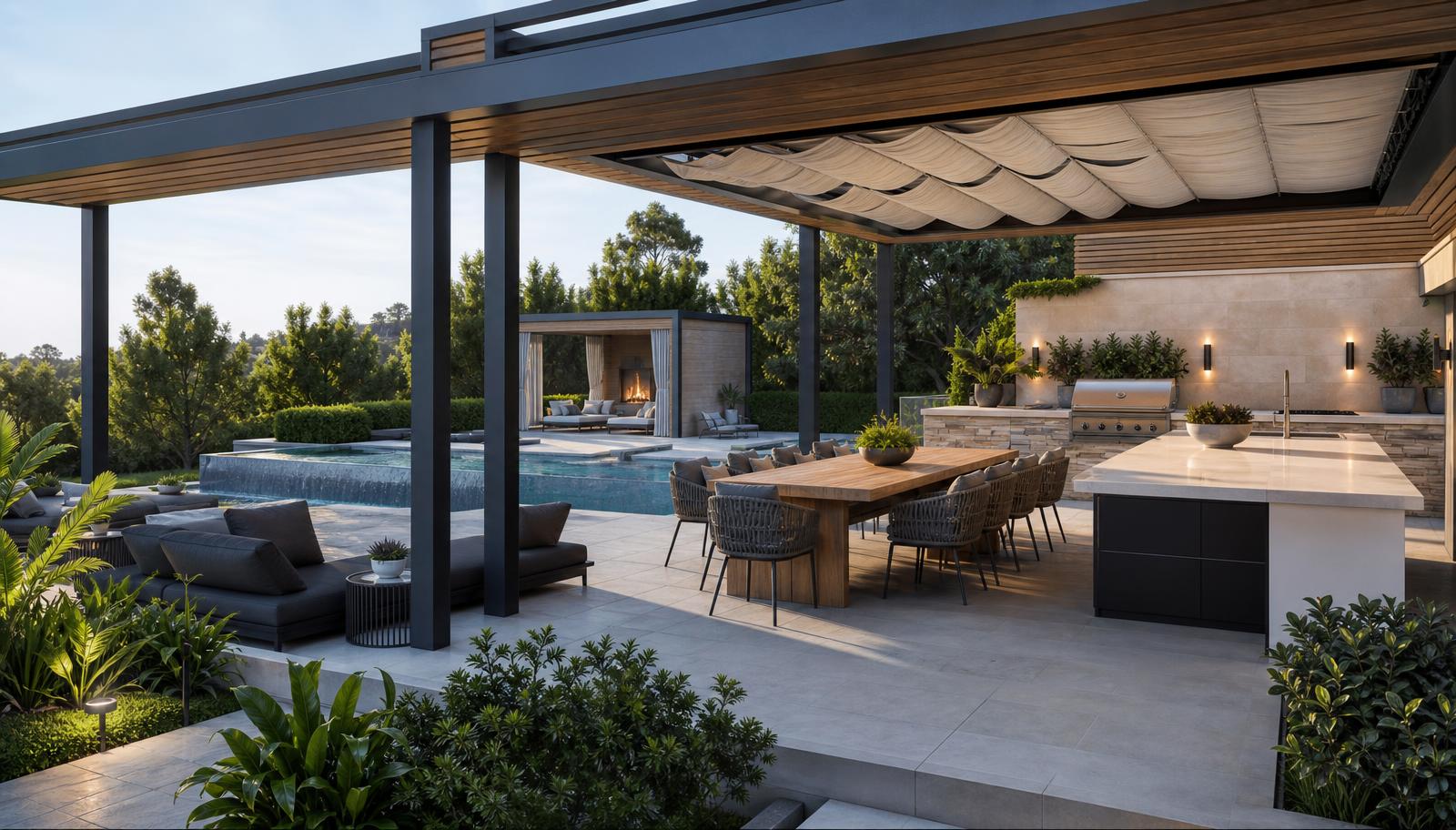
Orientation and sizing decide whether the structure works. Western sun is the enemy, so plan for a vertical screen, blind or planting on that side rather than relying on the roof. Allow at least three and a half metres of depth for a dining table with chairs pulled out, more if a barbecue or bench sits under the same roof. Set the height generously — low pergolas feel oppressive and trap smoke and heat from cooking.
Build the services in while the frame is open. Downlights and a dimmer on the beams, a fan for still summer evenings, strip heating for winter, weatherproof outlets for cooking appliances and speakers, and gutters plumbed into the stormwater rather than spilling onto paving. Retrofitting any of these later means cutting into a finished ceiling.
Finally, connect the cover to the house and the garden. Paving that runs at one level from the interior floor through to the covered area removes the trip hazard and doubles the apparent size of the living room. A screen of tall planting or a hedge on the boundary side gives privacy, and a climber over one end of the pergola softens the structure so it reads as part of the garden rather than a carport in the wrong place.